📋 Summary
- The UK has no age-based ban on importing JDM cars at all, unlike the United States’ 25-year rule, which makes it one of the most accessible JDM markets outside Japan itself
- Cars imported to the UK within 10 years of their original Japanese registration generally require an Individual Vehicle Approval (IVA) inspection to confirm they meet UK road standards
- Because the UK drives on the left, right-hand-drive JDM cars need no steering conversion, giving the UK a natural advantage over continental Europe
- Continental Europe’s left-hand-drive requirement has shaped a genuinely different import culture there, often centered on reimporting left-hand-drive European cars that were originally sold new in Japan, rather than importing right-hand-drive Japanese performance icons directly
While American JDM culture had to wait for cars to age past a specific legal threshold before enthusiasts could import them, the United Kingdom took a very different path – one shaped less by legislation designed to keep cars out, and more by the simple geographic fact that Britain, like Japan, drives on the left side of the road.
No Age Limit, Unlike America
Perhaps the single most important difference between JDM culture in the UK and the United States is that the UK has no age-based restriction on importing Japanese cars at all. There is no equivalent of America’s 25-year rule creating a hard legal barrier. In principle, a JDM car can be imported to the UK the moment someone is willing and able to buy it and ship it – a fundamentally different starting point from the American scene, where enthusiasts had to wait, sometimes for decades, for specific iconic models to become legally eligible.
That accessibility is a major reason the UK JDM scene is often described as the most mature and developed in Europe, with a longer history of genuine ownership, modification, and enthusiast community-building around cars that American buyers could only admire from a distance for years after they were released.
💡 Tip: Understand the IVA Test Before You Import
While there is no age ban, cars first registered in Japan within roughly the last 10 years generally need to pass an Individual Vehicle Approval (IVA) inspection – a detailed DVSA check confirming the vehicle meets UK construction and use standards. Cars older than that threshold are typically exempt. Common items that need addressing to pass an IVA include fitting a speedometer that displays in miles per hour (or is dual-marked), a UK-compliant rear fog lamp, headlights that meet UK beam pattern requirements, and confirmation that emissions and noise levels meet the standards appropriate for the vehicle’s age. Budgeting for these modifications before you import, rather than discovering them after the car has already arrived, will save considerable time and frustration.
Why Right-Hand Drive Changes Everything
The UK’s natural advantage as a JDM destination comes down to something simple: Japan and the UK both drive on the left, meaning JDM cars arrive with the steering wheel already on the correct side for UK roads. There is no need for the complex, expensive steering conversion that would be required to bring a right-hand-drive car to a left-hand-drive market. This single geographic coincidence has made the UK a far more natural home for genuine, unmodified JDM performance cars than almost anywhere else in Europe.
Beyond convenience, UK enthusiasts and specialists have also long pointed to the general condition of cars coming out of Japan as a major draw: Japan’s inspection and maintenance culture, combined with a domestic market less affected by road salt in many regions, tends to produce well-preserved used cars compared to vehicles that have spent their lives on salt-treated UK or European roads.
Continental Europe: A Genuinely Different Story
Cross the Channel into continental Europe, and the picture changes considerably. Most of continental Europe drives on the right, meaning a genuine right-hand-drive JDM performance car faces the same fundamental mismatch that American and Canadian buyers deal with. That has shaped a distinctly different import culture in countries like Germany, France, and the Netherlands – one that often centers less on importing iconic right-hand-drive Japanese performance cars directly, and more on a related but different niche: reimporting left-hand-drive European luxury and performance cars, such as certain Porsche, BMW, and Mercedes-Benz models, that were originally sold new in Japan and driven there for years before making their way back to Europe.
These “reverse imports” of European-brand cars from Japan appeal to continental buyers for many of the same reasons UK buyers seek out JDM cars directly: strong maintenance history, careful ownership culture, and often surprisingly low mileage for a car’s age, without the steering-side complication that would come with importing a genuine right-hand-drive Japanese performance car into a right-hand-drive market.
⚠️ Caution: Registration and Approval Requirements Vary Significantly by Country
Every European country maintains its own specific vehicle approval and registration process for imported cars, and these requirements can differ meaningfully even between neighboring countries. What satisfies UK IVA requirements will not automatically satisfy German, French, or other national approval processes, and vice versa. Anyone importing a car into a specific European country should research that country’s current requirements directly with its national vehicle approval authority rather than assuming rules from a different market will transfer directly.
A Longer, Deeper Enthusiast History in the UK
Because the UK has never had an age-based barrier to JDM imports, British enthusiasts have had a meaningfully longer runway to build specialist knowledge, import businesses, and community infrastructure around these cars compared to their American counterparts. UK-based JDM specialist importers, forums, and events have had years, sometimes decades, longer to mature than equivalent American businesses that only found a real market once the 25-year rule started making cars eligible in large numbers during the 2010s.
That head start shows in the depth of UK-specific expertise available today: specialist mechanics genuinely experienced with specific JDM models, established import and compliance businesses that have processed thousands of IVA applications, and an enthusiast culture that has had time to develop its own distinct character, separate from simply mirroring American JDM culture.
Shipping Routes and Practical Costs
Getting a car from a Japanese auction house to a UK or European driveway involves broadly similar logistics regardless of destination: the car is typically transported to a Japanese export port such as Yokohama, Nagoya, or Osaka, loaded into a shared shipping container or onto a roll-on/roll-off vessel, and shipped to a European port of entry, commonly Southampton or Bristol for the UK, or Bremerhaven and Zeebrugge for continental buyers. Transit time by sea is usually somewhere in the range of six to ten weeks depending on the shipping line and whether the car travels in a shared or dedicated container, with container shipping generally considered safer for valuable or delicate classics since the car is not exposed to handling by multiple port workers at each stop the way roll-on/roll-off vehicles sometimes are.
Once the car arrives in the UK, buyers still need to budget for import duty, VAT, and the IVA testing and any remedial work needed to pass it, on top of the purchase price and shipping cost itself. Continental buyers reimporting a left-hand-drive European car from Japan generally face a broadly comparable set of costs, though the specific customs treatment can differ depending on the car’s country of origin and the importing country’s own rules, which is another reason to work with a specialist familiar with the destination country’s specific requirements rather than assuming the process will mirror what UK importers experience.
What the UK Scene Tends to Favor
Because of its long head start and steering-side advantage, the UK JDM scene has developed a genuine breadth: everything from bone-stock, low-mileage Skyline GT-Rs kept as investment-grade collector pieces, to heavily modified Silvias and Chasers built specifically for the UK’s active drift day and track day circuit, to more everyday JDM imports like Honda Civic Type Rs and Toyota Chasers bought simply as interesting, well-built daily drivers. UK specialist importers frequently source directly from Japanese auction houses on behalf of clients, using the same online bidding systems and inspection sheet grading conventions that Japanese domestic buyers use, which has made the UK import process relatively transparent and well understood compared to markets where this infrastructure is thinner.
Frequently Asked Questions
Q: Is there an age limit for importing JDM cars into the UK?
A: No. Unlike the United States, the UK has no age-based restriction on importing Japanese cars. Cars registered in Japan within roughly the last 10 years generally need to pass an Individual Vehicle Approval (IVA) inspection, but there is no outright age ban.
Q: Why is the UK considered easier for JDM imports than continental Europe?
A: Because the UK, like Japan, drives on the left. Right-hand-drive JDM cars arrive ready for UK roads without steering conversion, while most of continental Europe drives on the right, creating a steering-side mismatch for genuine JDM performance cars.
Q: What is the IVA test?
A: The Individual Vehicle Approval is a UK DVSA inspection confirming an imported vehicle meets UK construction and use standards, generally required for cars registered in Japan within about the last 10 years, though specific requirements can change over time.
Q: What kind of JDM culture exists in continental Europe if right-hand-drive cars are impractical there?
A: Continental European enthusiasts often focus on a related but different niche: importing left-hand-drive European-brand cars, such as certain Porsche, BMW, and Mercedes-Benz models, that were originally sold new in Japan and are now being reimported back to Europe, rather than importing genuine right-hand-drive Japanese performance cars.
Q: Do UK import rules apply to the rest of Europe?
A: No. Each European country maintains its own vehicle approval and registration requirements for imported cars, and these can differ significantly even between neighboring countries. Always verify requirements with the specific national authority for the country you are importing into.
This article is for general informational purposes. Import regulations change over time and vary by country – always verify current requirements with official government sources before importing any vehicle.
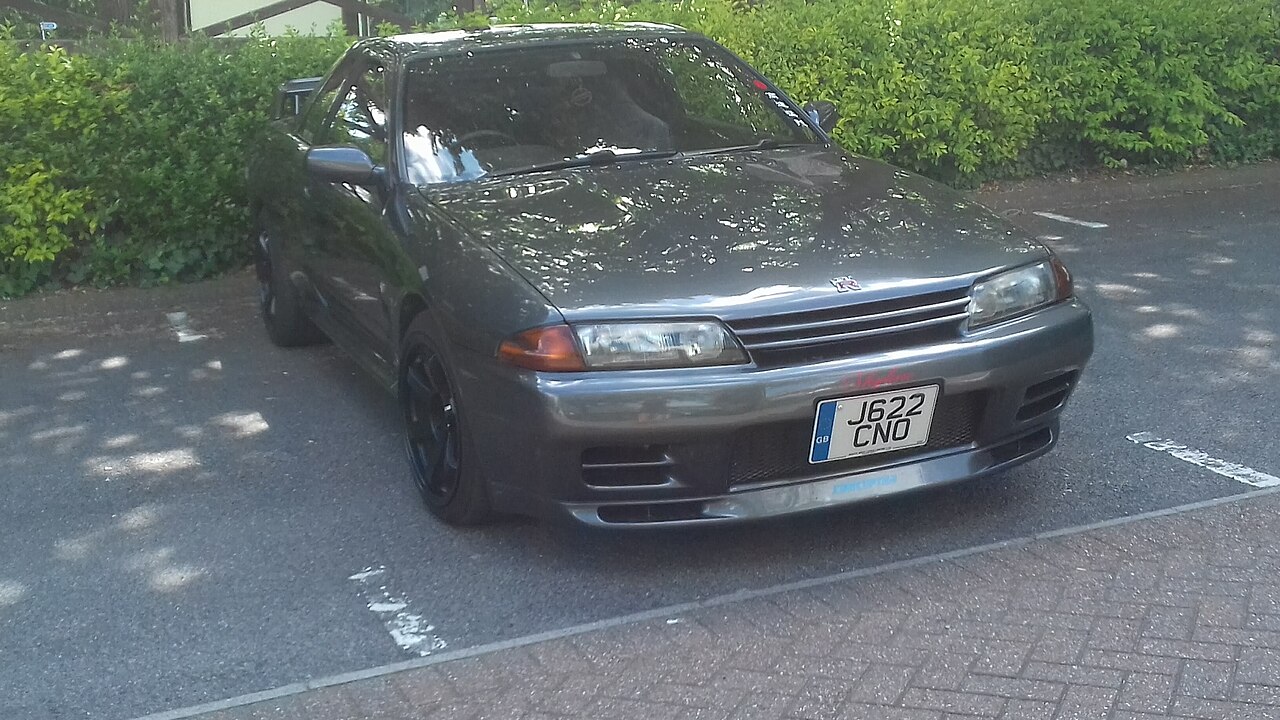
Image credit: 1991 Nissan Skyline GT-R – geograph.org.uk – 6220154 by W, CC BY-SA 2.0, via Wikimedia Commons
コメント