Somewhere in the middle of every successful Japanese car import sits a document that most overseas buyers never actually see being created, yet absolutely cannot import their car without: the export certificate, known in Japanese as the yushutsu massho tourokushomeisho (輸出抹消登録証明書). It’s easy to treat this as just another piece of paperwork your agent handles behind the scenes, but understanding what it actually is, how it’s produced, and why it matters will help you spot problems early and avoid delays at customs on the other end. This guide walks through exactly what happens to a car’s registration status in Japan once you win it at auction, and how that process results in the certificate your destination country’s customs office will ultimately require.
📋 What You’ll Learn in This Guide
- What the export certificate actually is and why it matters for customs clearance abroad
- The step-by-step de-registration process at Japan’s Transport Bureau
- What information the certificate contains and how to verify it against your car
- Common problems that can delay or complicate de-registration
- How this document connects to registration in your own country
- What the Export Certificate Actually Is
- Step-by-Step: How De-registration Actually Happens
- What Information the Certificate Contains
- How This Document Connects to Registration in Your Country
- Common Problems That Can Delay De-registration
- Why This System Actually Protects Buyers
- Frequently Asked Questions
- Final Thoughts
What the Export Certificate Actually Is
Every registered vehicle in Japan is tied to a domestic registration record maintained by the Ministry of Land, Infrastructure, Transport and Tourism (MLIT) through its regional Transport Bureau offices. As long as that registration is active, the car is legally considered a Japanese domestic vehicle — it carries Japanese license plates, is subject to Japan’s shaken inspection requirements, and cannot simply be shipped overseas and registered somewhere else. Before a car can leave the country for good, its Japanese registration has to be formally cancelled, a process called de-registration.
The export certificate is the official government document proving that de-registration happened specifically for the purpose of export, rather than, say, the car being scrapped or sold for parts domestically. It confirms the vehicle’s identity (chassis number, make, model, and other key details), confirms there’s no outstanding registration or lien preventing its export, and gives customs officials in your destination country a trustworthy, government-issued record they can use to verify the vehicle during import clearance and later registration.
Step-by-Step: How De-registration Actually Happens
The process takes place at a local Transport Bureau office in Japan, and while your export agent typically handles the legwork on your behalf, it’s worth understanding the sequence of events:
- 1. Verifying registration status. Before anything else, the agent checks the vehicle’s current Japanese registration document (the shaken, or vehicle inspection certificate) against the seller’s information, and confirms there are no discrepancies, unpaid road tax, or outstanding liens that would block de-registration.
- 2. Surrendering the license plates. At the Transport Bureau counter, the vehicle’s Japanese license plates are physically surrendered. This is the moment the car formally stops being road-legal in Japan.
- 3. Processing the de-registration. Bureau staff process the cancellation, creating an internal record confirming the vehicle is no longer approved for domestic road use. In some cases, this produces an interim de-registration slip before the export-specific certificate is finalized.
- 4. Filing the export application. A separate application, specifically declaring the intent to export the vehicle, is filed at the same Transport Bureau office, along with supporting documentation.
- 5. Receiving the export certificate. Once approved, the Bureau issues the formal export certificate, which becomes one of the key documents your agent will forward to you (or your customs broker) ahead of the vehicle’s arrival.
💡 Tip
Ask your agent for a scanned or photographed copy of the export certificate as soon as it’s issued, rather than waiting until the vehicle arrives. This gives you time to review the chassis number and other details carefully, and to flag any discrepancy well before your car is sitting at a port waiting for customs clearance, when fixing a paperwork error becomes far more stressful and time-sensitive.
What Information the Certificate Contains
A completed export certificate typically records the vehicle’s chassis (VIN) number, make and model, engine details, the registered owner at the time of de-registration, the date de-registration took place, and confirmation that the vehicle has been removed from Japan’s active registration system specifically for export. This is the document that lets your destination country’s customs and motor vehicle authorities confirm the car’s legal history in Japan without needing to independently investigate Japanese government records themselves.
Because the chassis number is the anchor that ties this document to your specific vehicle, it’s worth cross-checking it not just against the certificate itself, but against the bill of lading, the original auction sheet, and the physical VIN plate once the car arrives. When all of these numbers match cleanly, customs clearance tends to be quick and uneventful; a mismatch, even a minor typo, can trigger delays while the discrepancy is investigated and corrected.
⚠️ Caution
Never accept a vehicle for shipment without confirming that de-registration and export certificate issuance have actually been completed. A small number of disreputable sellers have, in the past, attempted to ship vehicles before paperwork was finalized to save time, which can leave the buyer stuck with a car that cannot be properly imported or registered once it arrives. Insist on seeing the certificate, or at minimum written confirmation from your agent that it has been issued, before the vehicle leaves Japan.
How This Document Connects to Registration in Your Country
Once your car arrives at its destination, the export certificate typically becomes one of the core documents your customs broker or import agent submits alongside the bill of lading and any required safety or emissions exemption paperwork (such as the US DOT and EPA forms discussed elsewhere on this site). Many countries’ motor vehicle registration authorities also require the export certificate, sometimes with an official translation, as part of the process of issuing a new local title and registration for the vehicle. Requirements vary by country: Australia, the UK, and various US states each have somewhat different documentation and translation requirements, so it’s worth confirming exactly what your local registration authority expects before your car arrives, rather than assuming the certificate alone is universally sufficient everywhere.
Common Problems That Can Delay De-registration
A handful of issues account for most de-registration delays. Outstanding road tax or unpaid parking or toll fines linked to the vehicle can block the process until resolved. A registration record that doesn’t clearly match the current seller (for example, if a private seller sold the car through an intermediary without properly transferring registration first) can also cause holdups while ownership is clarified. Less commonly, a vehicle with an existing loan or lien registered against it in Japan cannot be de-registered for export until that lien is formally released. Reputable auction agents and exporters generally screen for these issues before you ever place a bid, which is one more reason working with an established, JUMVEA-member exporter is worth the modest added cost compared to an unknown or unverified seller.
Why This System Actually Protects Buyers
It’s easy to view de-registration as bureaucratic friction, but the system exists for good reason and generally works in the buyer’s favor. Because Japan’s registration and de-registration process is centralized and government-administered, it creates a genuine paper trail that’s difficult to falsify. A car with a properly issued export certificate has, by definition, passed through an official government check confirming it isn’t currently subject to an active loan, an unresolved registration dispute, or outstanding domestic tax obligations. Compared to used car markets in some other countries, where ownership and lien history can be considerably murkier, this centralized process is one of the underappreciated reasons Japanese vehicle exports enjoy a strong reputation for clean title history among experienced overseas buyers.
This is also why reputable exporters are generally happy, even eager, to show you the completed export certificate before shipment — it’s genuine proof of a clean transaction, not just a formality they’re trying to rush past. If an agent seems reluctant to share this documentation or vague about its status, treat that hesitation itself as a warning sign worth investigating further before you finalize payment.
Frequently Asked Questions
Q: Do I need to translate the export certificate myself?
A: Usually not — most export agents provide a translated copy or summary alongside the original Japanese document, and many destination countries’ registration authorities have standardized processes for accepting Japanese export certificates given how common JDM imports have become. That said, always confirm your specific country or state’s translation requirements in advance.
Q: How long does the de-registration and certificate process typically take?
A: For a straightforward vehicle with no outstanding issues, this usually takes anywhere from a few days to about two weeks, depending on the specific Transport Bureau’s workload and how quickly supporting paperwork is assembled. Vehicles with lien or tax complications can take considerably longer.
Q: What happens if the export certificate is lost after the car ships?
A: This can create significant delays at your destination port, since it’s the primary document proving the vehicle’s legal export status. If this happens, your agent or the issuing Transport Bureau may be able to help arrange a replacement or certified copy, but this process takes time and is best avoided by keeping both physical and digital copies of the certificate as soon as it’s issued.
Final Thoughts
The export certificate might seem like a background detail compared to the excitement of choosing and winning a car at auction, but it’s genuinely one of the most important documents in the entire import process — without it, your car simply cannot be legally cleared through customs or registered in most destination countries. Understanding how de-registration works, what the certificate should contain, and what red flags to watch for gives you one more layer of confidence that your import will go smoothly from the Japanese side of the transaction all the way through to driving your new car on the road at home.
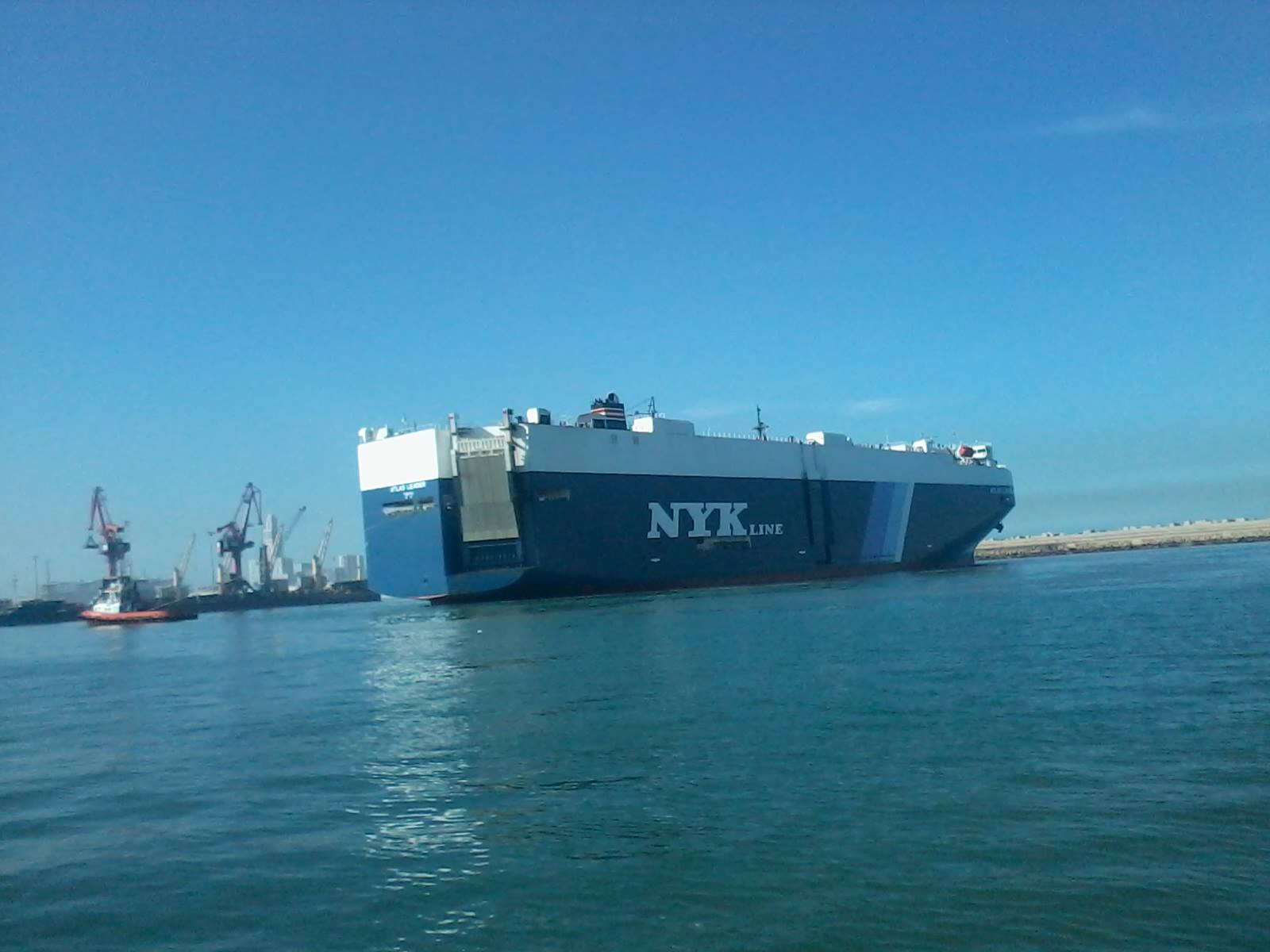
Image credit: Car carrier ATLAS LEADER au port.jpg by Farid mernissi, CC BY-SA 4.0, via Wikimedia Commons


コメント