Nothing derails a first-time JDM import faster than sticker shock after the fact. Buyers routinely win an auction for what looks like a fantastic deal, only to discover weeks later that shipping, customs fees, duties, and local compliance costs have quietly added thousands of dollars on top of the purchase price. None of these costs are secret or unusual — they’re simply scattered across several different companies and government agencies, which makes them easy to underestimate if nobody walks you through the full picture up front. This guide lays out every major cost category involved in importing a car from Japan, with realistic ranges for each, so you can build an honest landed-cost budget before you ever place a bid.
📋 What You’ll Learn in This Guide
- Every cost category between the winning bid and driving the car home
- Realistic price ranges for auction fees, shipping, duties, and customs charges
- How RoRo and container shipping costs compare
- A worked example showing a complete landed-cost calculation
- Costs that are easy to forget until they show up on an invoice
- Cost Category 1: The Vehicle Itself
- Cost Category 2: Your Export Agent’s Service Fee
- Cost Category 3: Domestic Transport and Export Documentation
- Cost Category 4: Ocean Freight (RoRo vs. Container)
- Cost Category 5: Marine Insurance
- Cost Category 6: US Import Duty
- Cost Category 7: Customs Processing and Filing Fees
- Cost Category 8: Customs Broker Fees
- Cost Category 9: Port Handling and Inland Transport
- Cost Category 10: State Registration, Title, and Compliance
- A Worked Example: Putting It All Together
- Frequently Asked Questions
- Final Thoughts
Cost Category 1: The Vehicle Itself
The starting point is obviously the winning bid or negotiated purchase price at auction. This is the number most buyers focus on, and it’s also the number that’s easiest to research in advance by browsing auction listings and export agent websites before you commit to a specific vehicle. Keep in mind that auction houses themselves typically add a modest buyer’s commission or auction fee on top of the hammer price, which your agent should disclose upfront — this is usually a flat fee or a small percentage, but it’s a real cost that belongs in your budget from day one.
Cost Category 2: Your Export Agent’s Service Fee
Your Japan-based agent charges a service fee for bidding on your behalf, handling communication, arranging inspection, and coordinating the export paperwork. This fee varies significantly between companies and is sometimes bundled with other services like domestic transport or documentation, so always ask for a clear, itemized quote rather than a single lump-sum number that might hide what’s actually included.
Cost Category 3: Domestic Transport and Export Documentation
Once you win a car, it needs to travel from the auction yard to the port of departure, and someone needs to handle the paperwork that de-registers the vehicle from Japan’s domestic system and produces an export certificate confirming its identity and manufacture date. These services are sometimes included in your agent’s overall package and sometimes billed separately, and together they typically add a few hundred dollars to your total, depending on distance to the port and the complexity of the paperwork for your specific vehicle.
Cost Category 4: Ocean Freight (RoRo vs. Container)
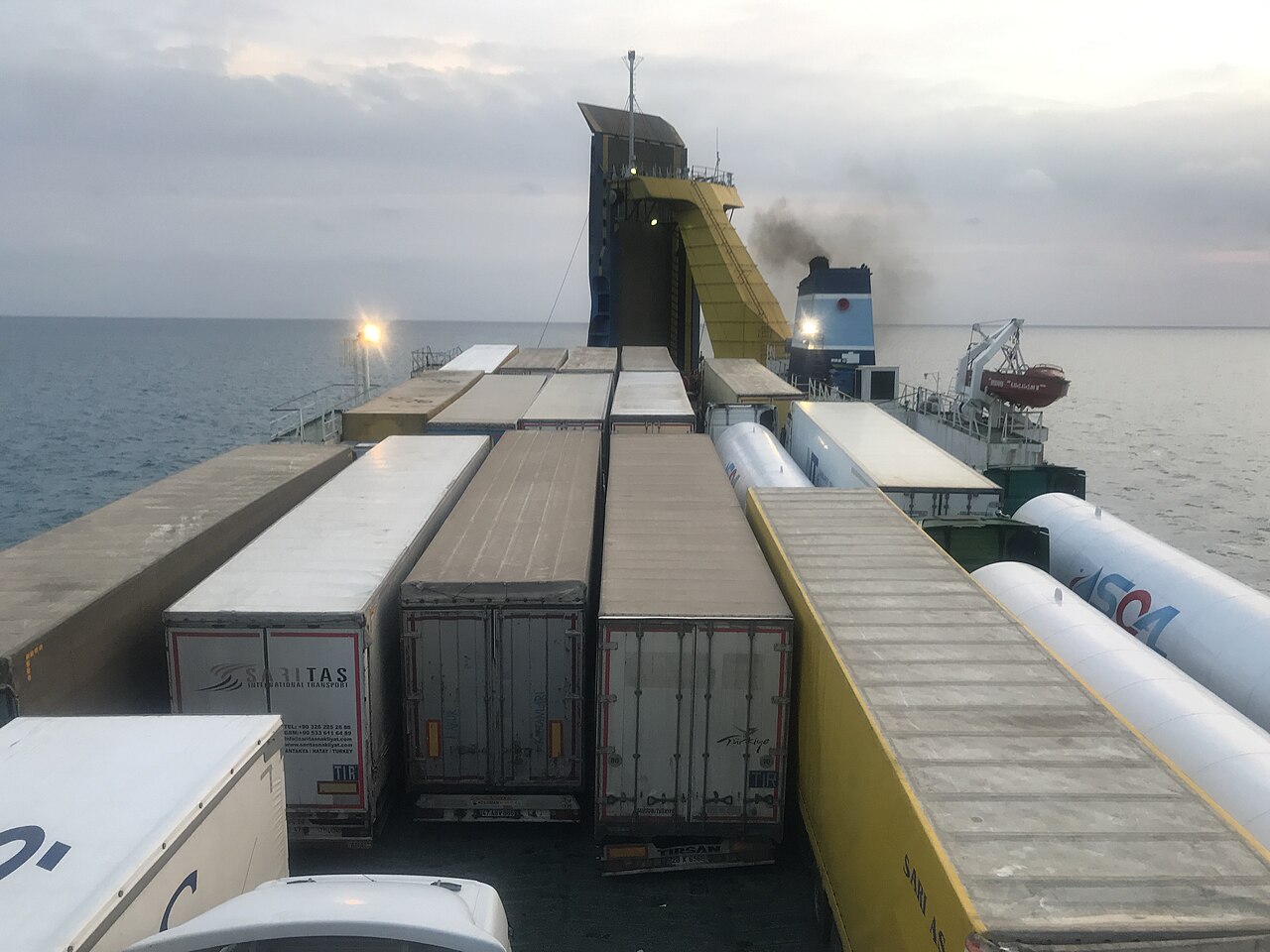
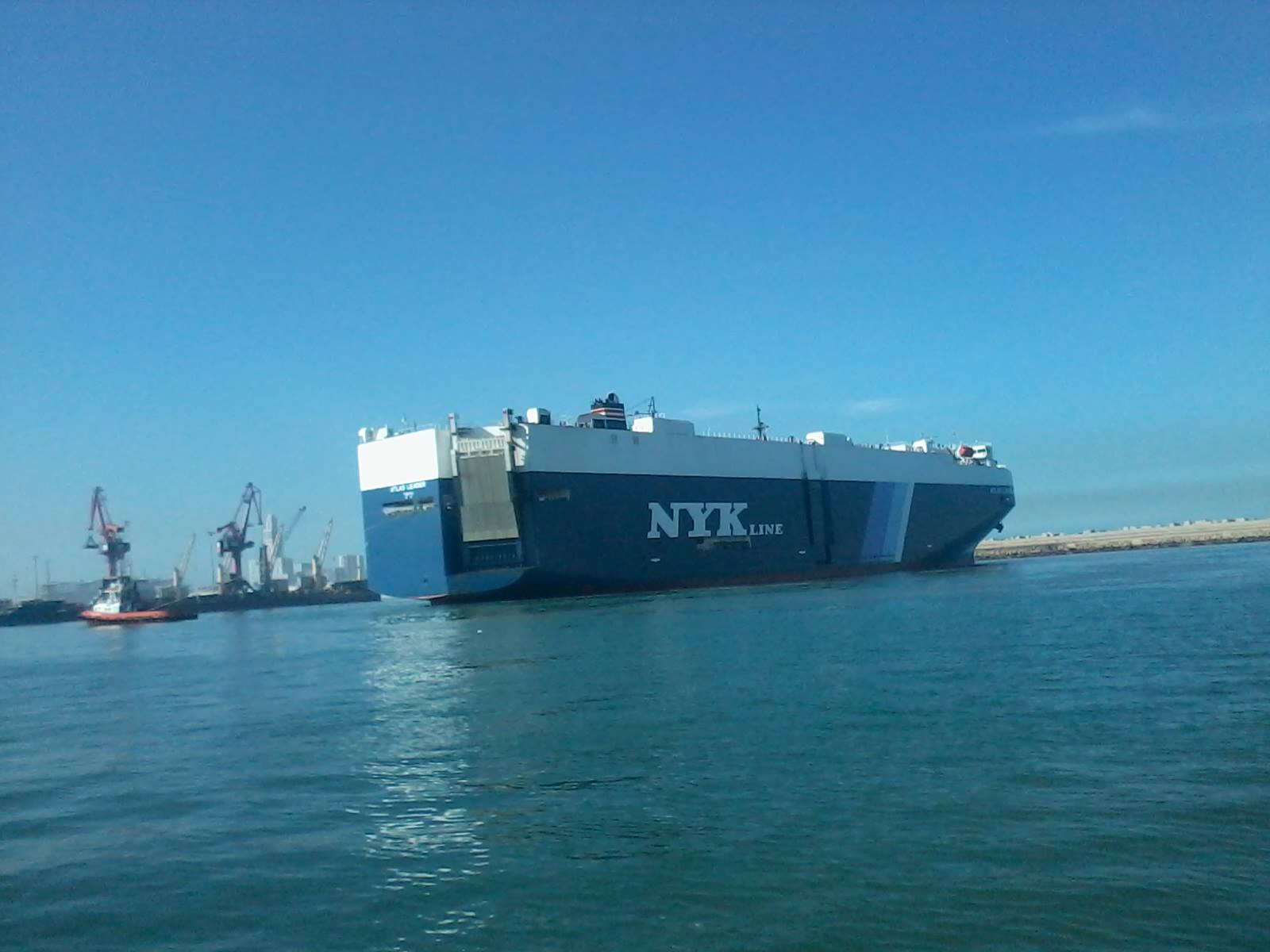
This is usually the single largest cost after the vehicle itself, and it depends heavily on your shipping method and destination port. Roll-on/Roll-off (RoRo) shipping, where the car is driven directly onto a specialized vessel, is generally the cheapest option, typically running somewhere in the range of $800 to $1,800 to a US West Coast port, with East Coast routes usually costing more due to the longer transit. Container shipping, where your car is sealed inside a steel shipping container (sometimes shared with another vehicle to split the cost), offers better protection from weather and handling damage but usually costs more — commonly somewhere between $1,500 and $3,000 depending on route and whether the container is shared or dedicated to your vehicle alone.
💡 Tip
RoRo is perfectly fine for the vast majority of standard imports, but consider paying extra for container shipping if you’re importing a particularly rare, high-value, or heavily modified vehicle where scratches or exposure to salt air during transit would meaningfully affect its value. For an everyday commuter car or kei truck, the cost difference usually isn’t worth it.
Cost Category 5: Marine Insurance
Most reputable agents will offer, and strongly recommend, marine cargo insurance covering your vehicle during ocean transit. This is a relatively small cost relative to the vehicle’s value, but it protects you against the (rare but real) possibility of damage during loading, transit, or unloading — costs that can otherwise fall entirely on you if something goes wrong at sea.
Cost Category 6: US Import Duty
Once your car reaches US customs, duty is calculated based on its declared value. For passenger vehicles, the standard duty rate is 2.5 percent of the appraised value. Trucks are treated very differently under a long-standing US tariff known informally as the “chicken tax,” which applies a much higher 25 percent duty rate to imported light trucks — a detail that matters enormously if you’re specifically importing a kei truck rather than a passenger car, since it can substantially change your total cost calculation.
Cost Category 7: Customs Processing and Filing Fees
Beyond the duty itself, US Customs and Border Protection charges a collection of smaller processing fees that add up. These commonly include an entry fee (roughly $180 to $225 per shipment), an Importer Security Filing fee and bond, a Merchandise Processing Fee calculated as a small percentage of value (with set minimum and maximum amounts), and a Harbor Maintenance Fee. Individually, none of these are large, but collectively they can add a few hundred dollars, and they’re exactly the kind of line-item costs that get left out of rough, back-of-envelope estimates.
Cost Category 8: Customs Broker Fees
Most importers hire a licensed customs broker to file the required DOT and EPA paperwork correctly and clear the vehicle through customs on their behalf. Broker fees for a straightforward personal vehicle import commonly run somewhere between $200 and $500, and this is generally money well spent — filing errors can cause costly delays or even result in a vehicle being held at the port.
Cost Category 9: Port Handling and Inland Transport
Once your car clears customs, it still needs to physically move from the port to your home or a nearby pickup location, and the port itself typically charges handling and storage fees for the time the vehicle sits in the yard awaiting release. Together, these costs commonly add somewhere between $500 and $1,500, depending on how far you are from the arrival port and how quickly you (or your broker) complete the release paperwork.
⚠️ Caution
Ports charge storage fees for every day a vehicle sits uncollected past the free period, and these charges can escalate quickly if paperwork is delayed or disorganized. Have your customs broker, title documents, and payment arrangements ready well before your vehicle’s estimated arrival date, rather than scrambling to sort things out once it’s already sitting in the yard.
Cost Category 10: State Registration, Title, and Compliance
Federal import clearance is not the same as being road-legal in your specific state. Depending on where you live, you may face additional costs for VIN verification, out-of-country title conversion, state-specific safety or emissions inspection, and standard registration and title fees. These vary enormously by state, so it’s worth checking your local DMV’s specific requirements for titling a vehicle that was never sold new in the US before you finalize your budget.
A Worked Example: Putting It All Together
To make this concrete, consider a hypothetical, fairly typical import of a 25-year-exempt Japanese performance car with a winning auction bid of roughly $15,000. A realistic all-in landed cost estimate might look something like: vehicle and auction fees around $15,300, export agent service fee around $500 to $800, domestic transport and export paperwork around $300, ocean freight (RoRo) around $1,200, marine insurance around $150, US import duty at 2.5 percent (roughly $380 on this value), customs processing fees around $300, broker fee around $350, and port handling plus inland transport around $800. Added together, that’s roughly $19,000 to $19,500 before state-specific registration and compliance costs — meaningfully more than the $15,000 headline purchase price, but broadly in line with industry estimates that place total import costs at 25 to 40 percent above the winning bid for a typical passenger car shipped via RoRo.
Frequently Asked Questions
Q: Is it cheaper to use an all-in-one import package instead of arranging each step separately?
A: For most first-time importers, yes — bundled packages from an established agent or importer typically cost about the same as arranging each vendor separately, but with far less coordination hassle and fewer chances for something to fall through the cracks between different companies.
Q: Do costs differ significantly if I import to Canada, Australia, or the UK instead of the US?
A: Yes, substantially. Each country has its own duty rates, registration processes, and import eligibility rules (Australia and the UK, for example, have different age and compliance requirements than the US 25-year rule), so the cost categories above are a useful framework, but the specific numbers need to be researched separately for your destination country.
Q: Can I reduce costs by importing multiple vehicles in one shipment?
A: Sometimes, particularly with shared container shipping, where splitting a container between two vehicles can reduce the per-car freight cost. However, this only works if you have a genuine second vehicle to ship and a willing shipping partner, and it adds coordination complexity that isn’t worthwhile for most single-vehicle buyers.
Final Thoughts
Importing a car from Japan is rarely as simple as “auction price plus shipping” — it’s a chain of smaller costs across auction fees, agent services, ocean freight, US duties and processing charges, brokerage, port handling, and state-level compliance, each charged by a different party. None of these individual costs are unreasonable or hidden in bad faith, but they do need to be added up in advance rather than discovered one invoice at a time. Ask your agent for a complete, itemized landed-cost estimate before you set your maximum bid, and build in a reasonable buffer for state-specific registration costs — that discipline is what separates a pleasant surprise import experience from an expensive one.
Image credit: RoRo ship IMO 7822184 by Marsupium (CC BY 4.0), via Wikimedia Commons

コメント