📋 Summary
- Aichi Steel Corporation traces its roots to 1934, as a steelmaking division of Toyoda Automatic Loom Works, formally established as Toyota Steel Works, Ltd. on March 8, 1940, renamed Aichi Steel Works in 1945, headquartered in Tokai City, Aichi Prefecture
- The company’s origin story is genuinely distinctive: Kiichiro Toyoda reportedly bought his own furnace and started his own steelmaking operation specifically because outside steelmakers wouldn’t supply his small workshop, a founding motivated by supply-chain necessity rather than a planned diversification
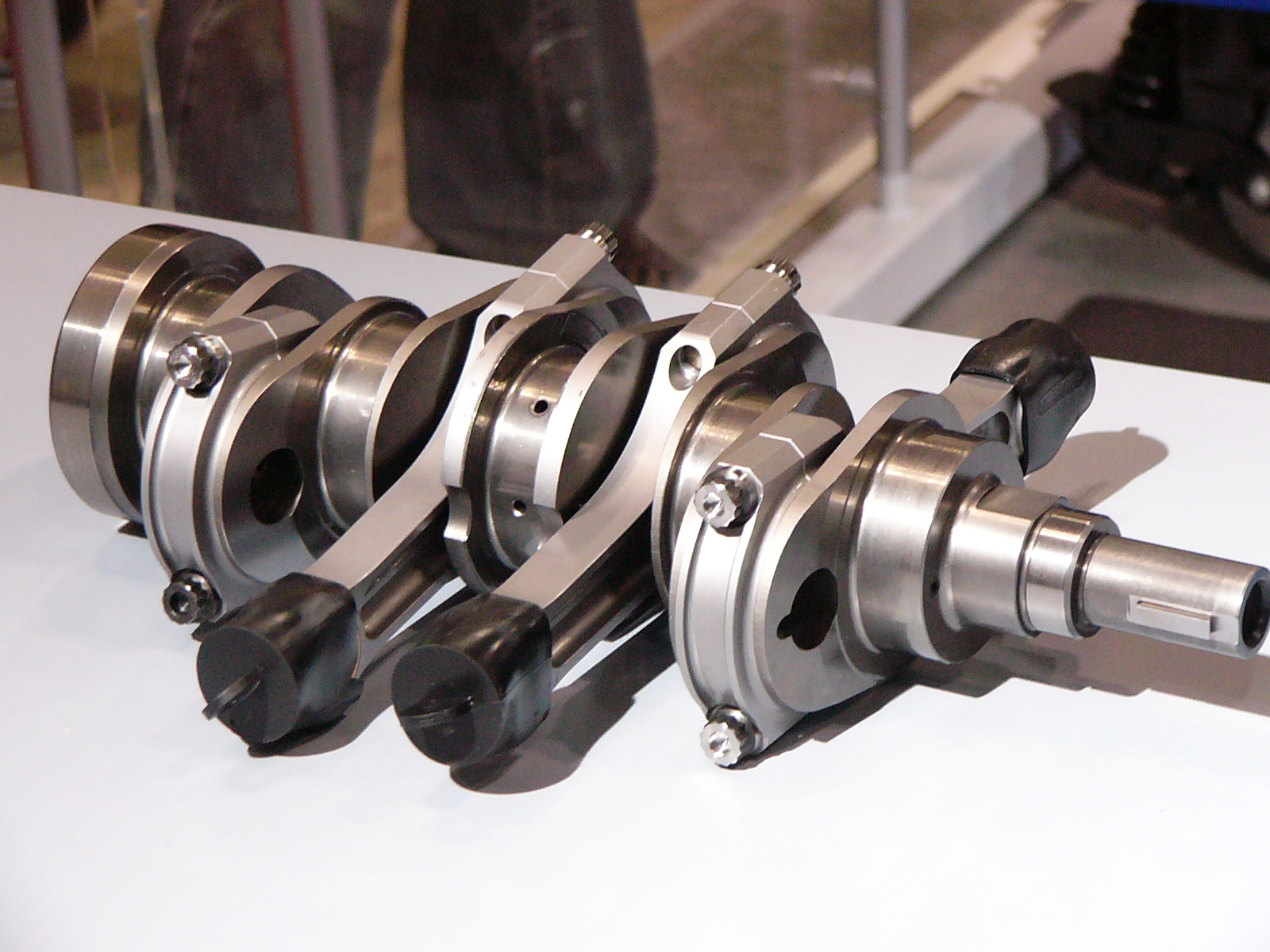
- Aichi Steel manufactures specialty steel and forged automotive parts, including crankshafts and connecting rods, and is described as Toyota’s largest source of forged parts, alongside automotive magnetic and geomagnetic sensors
- On January 8, 2016, an explosion at Aichi Steel’s Chita plant forced Toyota to halt all domestic completed-vehicle assembly lines nationwide for six days, from February 8 to 13, 2016, with damage estimated at roughly ¥9 billion, a genuinely dramatic real-world illustration of single-supplier dependency risk within the Toyota keiretsu system
The forged crankshaft turning inside your Toyota-lineage JDM vehicle’s engine has a genuine chance of being an Aichi Steel product, a company whose 2016 plant explosion demonstrated, in the most concrete way possible, just how deeply a single specialty steel supplier can be woven into an entire automaker’s production system.
Founded Out of Supply-Chain Necessity, Not Planned Diversification
Aichi Steel Corporation traces its roots to 1934, as a steelmaking division of Toyoda Automatic Loom Works, according to the company’s own corporate history, formally established as Toyota Steel Works, Ltd. on March 8, 1940, and renamed Aichi Steel Works in 1945. The company’s origin story is genuinely distinctive: Kiichiro Toyoda reportedly bought his own furnace and started steelmaking specifically because outside steel suppliers wouldn’t supply his small workshop, a founding motivated by supply-chain necessity rather than a planned business diversification. The company is headquartered in Tokai City, Aichi Prefecture.
💡 Tip: A 2016 Plant Explosion Halted All of Toyota’s Domestic Production
On January 8, 2016, an explosion at Aichi Steel’s Chita plant forced Toyota to halt all domestic completed-vehicle assembly lines nationwide for six days, from February 8 to 13, 2016, with damage estimated at roughly ¥9 billion, according to widely reported sources. This is a genuinely dramatic, concrete illustration of how deeply integrated a single specialty steel supplier can be within an entire automaker’s production system, worth understanding as real-world context for how the Toyota keiretsu actually functions under stress.
Toyota’s Largest Source of Forged Parts
Aichi Steel manufactures specialty steel and forged automotive parts, including crankshafts and connecting rods, and is described as Toyota’s largest source of forged parts, alongside a separate business line in automotive magnetic and geomagnetic sensors. The company remains a core member of the Toyota Group and one of its earliest subsidiaries, while still being independently listed on the Tokyo Stock Exchange, a common structure among long-established Toyota Group suppliers.
Beyond Steel: Aichi Steel’s Surprising Role in Autonomous Driving Sensors
Genuinely surprising given the company’s core steelmaking identity, Aichi Steel also develops magnetic sensor technology for automated driving applications. The company’s MI (magnetic impedance) sensors use an amorphous FeCoSiB alloy wire, with a diameter of 20 micrometers or less, that the company states is more than 10,000 times more sensitive than conventional magnetic sensors. Built on this technology, Aichi Steel’s GMPS (Global Magnetic Positioning System) detects weak magnetic signals from markers embedded in the road surface, allowing a vehicle to determine its position to within plus or minus 5 millimeters, including inside tunnels and underground spaces where GPS signals don’t reach. This is a genuinely unexpected second identity for a company most associated with forged crankshafts, and worth knowing if you encounter the Aichi Steel name in the context of autonomous-driving technology rather than engine parts.
Why Forged Engine Internals Genuinely Matter
Crankshafts and connecting rods operate under genuinely extreme cyclical stress with every single engine revolution, and the forging process itself is essential to giving these components the strength and fatigue resistance required for a vehicle’s entire service life. Understanding that a major, established specialist like Aichi Steel likely forged your Toyota-lineage vehicle’s crankshaft provides useful context when researching engine rebuilds or understanding why genuine OEM-equivalent internal components matter for reliability.
⚠️ Caution: Never Use Non-Genuine Forged Internals in a Performance Rebuild
Using non-genuine or improperly specified crankshafts and connecting rods in an engine rebuild, particularly for a performance application generating higher stress than stock power levels, genuinely risks catastrophic engine failure. Always use genuine or properly verified equivalent forged components, and have any engine rebuild performed by someone with genuine expertise.
Frequently Asked Questions
Q: What does Aichi Steel make?
A: Specialty steel and forged automotive parts, including crankshafts and connecting rods, alongside automotive magnetic and geomagnetic sensors.
Q: What happened at Aichi Steel in 2016?
A: An explosion at its Chita plant forced Toyota to halt all domestic vehicle assembly nationwide for six days, with damage estimated at roughly ¥9 billion.
Q: Is Aichi Steel part of the Toyota Group?
A: Yes, it’s a core, early member of the Toyota Group, though it remains independently listed on the Tokyo Stock Exchange.
Q: When was Aichi Steel founded?
A: 1934 as a steelmaking division of Toyoda Automatic Loom Works, formally established in 1940, renamed Aichi Steel Works in 1945.
This article is for general informational purposes based on publicly available company sources. Always use genuine or properly verified equivalent forged internal components in any engine rebuild.
Image credit: SUBARU EJ20 WRC Crankshaft and Conn-rod by 160SX, CC BY-SA 3.0, via Wikimedia Commons
コメント