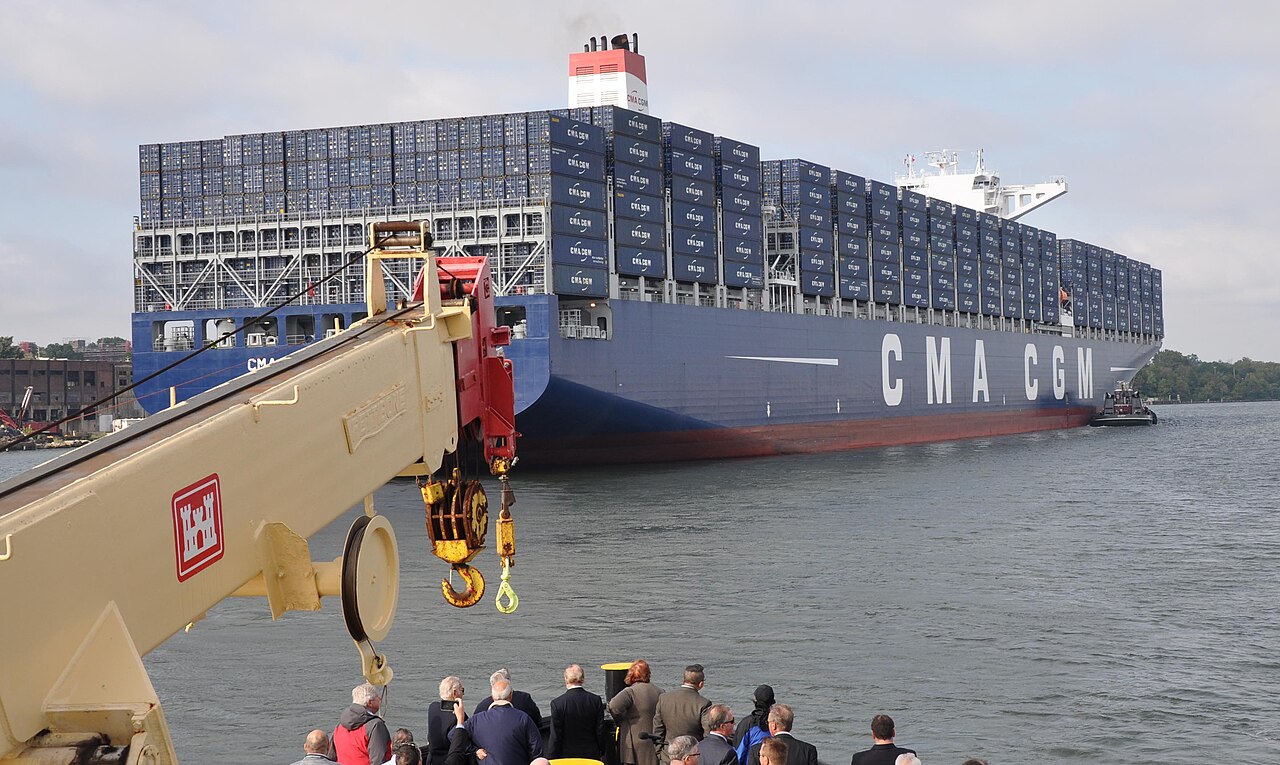
Once your Japanese auction win has cleared de-registration and your export paperwork is in order, there’s one more major decision that shapes both your final cost and how your car arrives: how it actually crosses the ocean. Almost every vehicle shipped out of Japan travels by one of two methods — Roll-on/Roll-off (RoRo), where the car is simply driven onto and off a specialized vessel, or container shipping, where it’s sealed inside a steel shipping container for the entire voyage. Both are safe, well-established methods used by thousands of vehicles every month, but they come with meaningfully different cost, protection, and logistics tradeoffs. Here’s how to think through the decision.
📋 What You’ll Learn in This Guide
- How RoRo and container shipping actually work
- Realistic cost and transit time comparisons between the two
- Which method offers better protection, and when that protection is worth paying for
- Japan’s major export ports and how routing decisions get made
- Practical questions to ask your agent before choosing a method
- How RoRo Shipping Actually Works
- How Container Shipping Actually Works
- Cost Comparison
- Transit Time: Surprisingly Similar
- Which Method Offers Better Protection
- Japan’s Major Export Ports
- Questions Worth Asking Your Agent Before You Choose
- Not Every Destination Port Supports Both Methods Equally
- Frequently Asked Questions
- Final Thoughts
How RoRo Shipping Actually Works
RoRo is short for “Roll-on/Roll-off,” and the name describes the process literally: your car is driven up a ramp directly onto a specially designed vessel with multiple internal decks, parked and secured in place alongside hundreds or even thousands of other vehicles, and then driven off again once the ship reaches its destination port. These vessels — sometimes called PCTCs, or Pure Car and Truck Carriers — are purpose-built for exactly this kind of cargo and represent the backbone of the global used and new car trade, not some improvised or unusual shipping method.
RoRo is generally the more affordable option and the one most commonly used for everyday JDM imports. It’s fast to load and unload since there’s no crane work involved, which keeps port handling costs down, and it’s widely available on most major shipping routes out of Japan.
How Container Shipping Actually Works
Container shipping takes a different approach: your car is loaded, using specialized ramps or lifting equipment, into a standard steel shipping container, which is then sealed and loaded onto the vessel using the same crane-based process used for any other containerized cargo. Depending on the size of the vehicle and your agent’s arrangement, a container might carry just one car or be shared between two smaller vehicles to split the cost.
Because the car spends the entire voyage sealed inside a steel box rather than sitting exposed on an open deck, container shipping offers meaningfully better protection from salt air, weather, and the general wear of being surrounded by other vehicles during loading and unloading.
💡 Tip
If you’re shipping a rare, highly modified, or unusually valuable vehicle, ask whether a dedicated (unshared) container is available rather than a shared one. Dedicated containers cost more but eliminate any risk of contact damage from a second vehicle sharing the same space, and they also allow room for spare parts, wheels, or other accessories to travel alongside the car.
Cost Comparison
As a general rule of thumb, RoRo shipping from Japan to a US West Coast port typically runs somewhere in the range of $800 to $1,400, with East Coast destinations costing more due to the longer route. Container shipping typically runs higher, commonly somewhere between $1,500 and $2,800 to a West Coast port, though sharing a container with another vehicle can bring the effective per-car cost down closer to RoRo pricing. Actual quotes vary by season, fuel prices, and current shipping capacity, so treat these as general planning ranges rather than fixed prices, and always get a current quote from your agent for your specific route and vehicle.
Transit Time: Surprisingly Similar
A common assumption is that container shipping takes noticeably longer than RoRo, but in practice the actual ocean transit time is usually quite similar between the two methods on the same route — commonly somewhere in the range of two to three weeks to reach a US West Coast port, with East Coast and other more distant destinations taking longer. Where timelines can diverge more is in the loading and unloading process itself: container loading sometimes requires more advance scheduling and paperwork than simply driving a car onto a RoRo vessel, which can add a few days on either end of the actual sea voyage.
Which Method Offers Better Protection
This is genuinely where the two methods differ most. RoRo vessels are safe and well-managed, but your car does spend the voyage exposed on an open deck alongside many other vehicles, secured with straps rather than sealed away — meaning it’s technically more exposed to the elements, to handling mishaps during loading and unloading, and, in rare cases, to opportunistic theft or vandalism while sitting in a port yard awaiting loading. Container shipping essentially eliminates these risks: the car is sealed away from weather, salt air, and contact with other vehicles from the moment it’s loaded until the container is opened at its destination.
For a everyday commuter car or a common kei truck, RoRo’s slightly higher exposure risk is a reasonable tradeoff most buyers happily accept given the cost savings. For a rare classic, a heavily modified show car, or anything where cosmetic perfection genuinely matters to its value, the extra cost of container shipping is often worth it as cheap insurance against an otherwise low-probability but high-consequence mishap.
⚠️ Caution
RoRo shipping generally requires the vehicle to be in running, drivable condition, since it needs to be driven on and off the vessel under its own power. If you’re importing a non-running project car or one with a mechanical issue that prevents it from being safely driven, confirm with your agent early — you may need container shipping (with the car towed or lifted into place) or special arrangements, which affects both cost and available routing options.
Japan’s Major Export Ports
Most Japanese vehicle exports move through one of four major ports: Yokohama, Osaka, Nagoya, and Kobe. Nagoya is Japan’s single largest vehicle export port, closely tied to Toyota’s own manufacturing and export operations in the surrounding region, while Yokohama serves as the natural default for vehicles sourced from the greater Tokyo area given its proximity and busy shipping schedules. Osaka and Kobe similarly serve as major hubs for vehicles sourced from western Japan. In practice, most established export agents work with all four ports and will route your specific vehicle to whichever port offers the earliest suitable departure and most direct routing to your destination, rather than being tied to a single fixed port regardless of where the car was purchased.
Questions Worth Asking Your Agent Before You Choose
- What’s the actual quoted price difference for my specific route and vehicle size? General ranges are useful for budgeting, but your agent’s real quote for your specific car and destination is what matters.
- Is a shared container option available, and does it meaningfully reduce cost? This can sometimes make container shipping nearly cost-competitive with RoRo.
- What insurance coverage applies under each method, and are the terms different? Confirm marine insurance terms explicitly rather than assuming coverage is identical regardless of shipping method.
- What’s the realistic current transit estimate, including any seasonal delays? Port congestion and seasonal shipping demand can shift timelines meaningfully from the general averages quoted above.
Not Every Destination Port Supports Both Methods Equally
One practical wrinkle worth knowing about is that not every destination port is equally equipped for both shipping methods. RoRo requires specialized ramp facilities capable of handling PCTC vessels, and while major import hubs like the US ports of Los Angeles, Long Beach, Baltimore, and Jacksonville handle huge RoRo volumes routinely, smaller or less car-focused ports may have limited RoRo capacity or less frequent sailings. Container shipping, by contrast, can generally move through almost any container-capable port, which is one reason it sometimes ends up being the more practical (if pricier) choice for buyers located near a smaller port without regular RoRo service. Always confirm with your agent which shipping method actually has convenient routing to the port nearest you, rather than assuming both options are equally available everywhere.
Frequently Asked Questions
Q: Is one method considered “standard” for JDM imports?
A: RoRo is by far the more commonly used method for typical JDM imports, simply because it’s cheaper and the vast majority of imported vehicles are ordinary running cars where the extra protection of container shipping isn’t essential. Container shipping is more common for higher-value, rare, or non-running vehicles.
Q: Can I track my car during ocean transit?
A: Yes, generally. Most shipping lines provide tracking through vessel schedules and booking or container numbers, and your agent should be able to give you visibility into your car’s shipping status, including estimated arrival dates, throughout the voyage.
Q: Does the shipping method affect how quickly I can clear customs on arrival?
A: Not significantly on its own — customs clearance timing depends more on your paperwork being complete and your customs broker’s efficiency than on whether the vehicle arrived via RoRo or container. That said, container unloading sometimes takes an extra day or two compared to simply driving a RoRo vehicle off the vessel.
Final Thoughts
Neither RoRo nor container shipping is objectively “better” — they’re different tools suited to different situations. RoRo remains the sensible, cost-effective default for the overwhelming majority of everyday JDM imports, backed by decades of safe, reliable use across the global auto trade. Container shipping earns its higher price tag when a vehicle’s rarity, value, or non-running condition makes the extra protection genuinely worthwhile. Talk through your specific vehicle and priorities with your export agent, get real quotes for both options on your actual route, and choose based on what makes sense for your car rather than defaulting to whichever method sounds more premium.
Image credit: Container Ship CMA CGM Theodore Roosevelt by USACE NY (CC BY 2.0), via Wikimedia Commons

.jpg)
コメント