📋 Summary
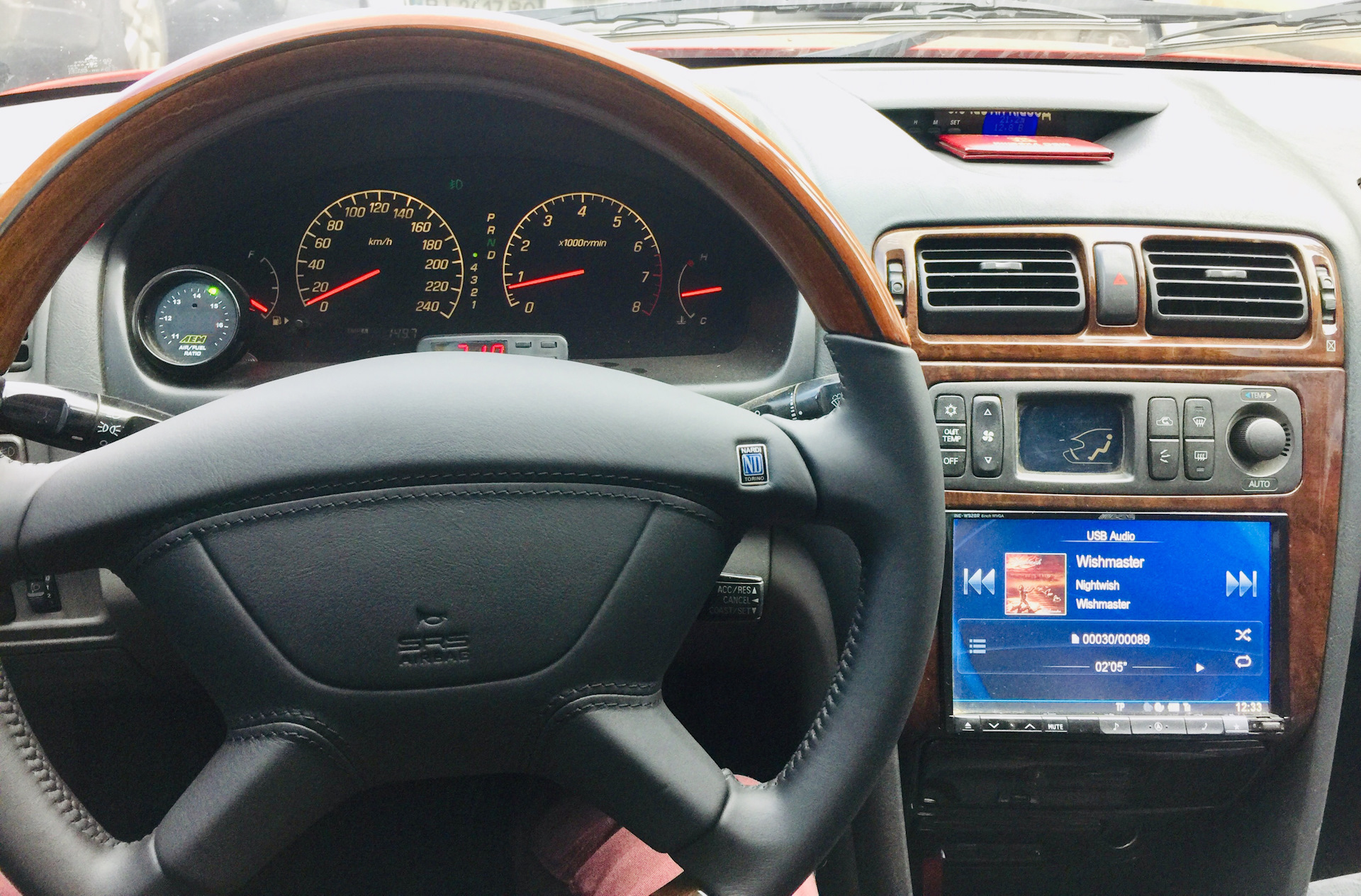
- Nardi, MOMO, and Personal are the three names that dominate the classic wood-rim and leather aftermarket steering wheel scene seen constantly in JDM builds, but all three are genuinely Italian companies, not Japanese
- Nardi was founded in Turin in 1932 by racing driver Enrico Nardi; MOMO was founded in 1964 by Gianpiero Moretti; Personal was established in Varese in the early 1960s and later merged with Nardi in 1990
- Works Bell, a genuinely Japanese company, makes the quick-release steering hubs that let JDM enthusiasts swap between these European wheels and a factory wheel without disconnecting anything permanently
- Understanding this European-Japanese split helps explain why these specific wheel brands became so deeply embedded in JDM aesthetics despite not originating in Japan themselves
Scroll through interior shots of classic and modern JDM builds alike and the same handful of steering wheel names appear constantly: Nardi, MOMO, Personal. For many overseas enthusiasts encountering these names primarily through Japanese car culture, it would be reasonable to assume they’re Japanese brands. They aren’t. All three are genuinely Italian companies with their own distinct racing and design heritage, and understanding how they became so central to JDM interior culture specifically is a genuinely interesting piece of the broader import scene.
- Nardi: Turin Racing Heritage Since 1932
- MOMO: Named After Its Founder’s Racing Nickname
- Personal: The Third Corner of the Triangle
- Works Bell: The Japanese Piece of the Puzzle
- The Boss Kit: The Unglamorous Adapter That Makes Any of This Possible
- Why European Wheels Became a JDM Signature
- Frequently Asked Questions
Nardi: Turin Racing Heritage Since 1932
Nardi is the name most closely associated with the classic wood-rim aftermarket wheel look so common in JDM interior photos. The company was founded in Turin in 1932 by Enrico Nardi, a figure with genuine racing credentials and connections to Ferrari’s early history, and today operates as part of Nardi-Personal SpA, based in Tradate in Italy’s Varese province. That racing pedigree, dating back nearly a century, is a meaningful part of why the brand carries genuine credibility rather than functioning as a purely aesthetic choice.
💡 Tip: Nardi and Personal Are Now the Same Company
Personal acquired the Nardi brand in 1968, and the two formally merged into a single entity, Nardi-Personal SpA, in 1990. If researching either brand today, keep in mind you’re likely dealing with the same corporate structure behind both names.
MOMO: Named After Its Founder’s Racing Nickname
MOMO’s name has a genuinely specific origin: it was founded in 1964 by racing driver and entrepreneur Gianpiero Moretti, with the name itself derived from “Moretti Monza.” The company’s ownership has changed over the decades, it was sold to Breed Technologies in 1996 and later acquired by the Cisneros family in 2008, but the MOMO name has remained a consistently recognized presence across both motorsport and street-tuning circles, JDM included, throughout that entire span.
Personal: The Third Corner of the Triangle
Personal, established in the early 1960s and based in Varese, rounds out the trio. As noted above, Personal’s acquisition of the Nardi brand in 1968 and their eventual full 1990 merger means that, in practice, Nardi and Personal wheels today generally come from the same corporate parent, even though both names continue to be marketed and recognized somewhat separately within JDM circles specifically.
Works Bell: The Japanese Piece of the Puzzle
While Nardi, MOMO, and Personal supply the wheels themselves, the hardware that lets JDM enthusiasts actually swap between an aftermarket wheel and the factory wheel, without permanently modifying the steering column, comes from a genuinely Japanese company: Works Bell, based in Chino, Nagano, and known for its Rapfix quick-release hub systems. Works Bell is generally described as one of Japan’s established names in this specific hardware category, though a precise founding year wasn’t clearly verifiable through available public sources, so it’s worth treating any specific founding date claim for the company with some caution unless confirmed directly with Works Bell itself.
⚠️ Caution: Aftermarket Steering Wheel Legality Varies Significantly by Region
Aftermarket steering wheel and quick-release hub installations are subject to vehicle safety regulations that vary considerably between countries and even between states or provinces within some countries, particularly regarding airbag-equipped factory wheels. Researching your specific local regulations before installing an aftermarket wheel setup, rather than assuming JDM-common practices apply everywhere, is a genuinely important step to avoid safety and legal issues.
The Boss Kit: The Unglamorous Adapter That Makes Any of This Possible
Before a Nardi, MOMO, or Personal wheel can even be paired with a Works Bell quick-release hub, it’s genuinely necessary to understand a more basic, less glamorous piece of hardware: the steering wheel boss kit. A boss kit is the specific adapter that physically joins an aftermarket wheel’s universal mounting pattern to a particular vehicle’s factory steering column, which varies across manufacturers in spline count, spline diameter, and mounting depth, meaning a boss kit genuinely must be matched to the exact make and model, not treated as a universal one-size-fits-all part. Beyond pure physical fitment, a proper installation also requires correctly re-wiring the horn circuit, since every aftermarket wheel and every factory column can use different horn-activation wiring, and on any vehicle originally equipped with a factory airbag-equipped wheel, some boss kits include specific connectors designed to safely relay or otherwise properly handle the vehicle’s SRS airbag system wiring rather than simply leaving it disconnected. This is genuinely why swapping to one of these classic Italian wheels, however visually simple the finished result looks, actually involves a chain of correctly matched components, wheel, boss kit, and often a quick-release hub, rather than a single universal bolt-on part.
Why European Wheels Became a JDM Signature
The prevalence of Italian wheel brands within Japanese car culture specifically reflects Japan’s broader historical relationship with European motorsport and automotive design influence throughout the postwar tuning era, when imported European performance parts carried genuine prestige within the domestic tuning scene. That historical pattern, European hardware embraced and popularized specifically within Japanese enthusiast culture, repeats across several other JDM aftermarket categories beyond just steering wheels, making it a useful lens for understanding JDM parts culture more broadly rather than an isolated case specific to wheels alone.
Frequently Asked Questions
Q: Are Nardi, MOMO, and Personal Japanese brands?
A: No. All three are Italian companies, Nardi and Personal founded in the Turin/Varese region and now merged as Nardi-Personal SpA, and MOMO founded separately in Milan-area racing circles in 1964.
Q: What is Works Bell?
A: A genuinely Japanese company based in Nagano known for its Rapfix quick-release steering wheel hub systems, which are commonly paired with European aftermarket wheels in JDM builds.
Q: Are Nardi and Personal the same company now?
A: Effectively yes. Personal acquired the Nardi brand in 1968, and the two formally merged into Nardi-Personal SpA in 1990.
Q: Is it legal to install an aftermarket steering wheel on an imported JDM car?
A: This depends heavily on local vehicle safety regulations, particularly around airbag equipment, and varies significantly by country and region. Always verify local requirements before installation.
This article is for general informational purposes based on publicly available company history sources. Company histories, ownership structures, and regulations change over time – always verify current details directly with the brand or a qualified professional before purchasing or installing aftermarket parts.
Image credit: Steering Wheel Nardi Torino by Михаил Дугин (Mikhail Dugin), CC BY-SA 4.0, via Wikimedia Commons

コメント