📋 Summary
- The Fuji Subaru Line, opened in 1964, is a 29.5-kilometer toll road climbing Mount Fuji’s northern slope to the 5th Station at 2,305 meters elevation, one of the most scenic and popular drives in Japan
- During peak summer season, roughly early July through mid-September, private vehicles are banned entirely from the Fuji Subaru Line under a “My Car Regulation” policy, requiring visitors to park elsewhere and take a shuttle bus instead
- The Hakone Turnpike, opened in 1955, is a 15.752-kilometer privately owned toll road climbing from near sea level at Odawara to roughly 1,000 meters, long famous within Japan’s driving and touge culture
- Both routes offer genuinely spectacular views, including Mount Fuji itself and Sagami Bay from the Hakone Turnpike, but require different seasonal planning and, for Fuji specifically, awareness of the summer access restrictions
Among Japan’s driving routes, two stand out as genuinely essential destinations for enthusiasts visiting from abroad: the Fuji Subaru Line, climbing the flank of Japan’s most iconic mountain, and the Hakone Turnpike, a long-running fixture of Japan’s driving and touge culture. Both offer spectacular scenery, but understanding their specific access rules and seasonal restrictions matters considerably before planning a visit.
- The Fuji Subaru Line: A Toll Road to the Mountain’s Fifth Station
- The Hakone Turnpike: A Long-Running Fixture of Japanese Driving Culture
- Spectacular Views, Weather-Dependent Reality
- Planning a Visit: Timing Matters as Much as Route Choice
- Connecting Into a Broader Fuji-Hakone-Izu Circuit
- Rest Areas and Practical Stops Along the Way
- Frequently Asked Questions
The Fuji Subaru Line: A Toll Road to the Mountain’s Fifth Station
The Fuji Subaru Line, opened in 1964, is a 29.5-kilometer toll road winding up Mount Fuji’s northern slope from the Kawaguchiko area to the mountain’s Fifth Station at an elevation of 2,305 meters, one of four motorway routes providing vehicle access toward Fuji’s various fifth stations. The drive itself typically takes around 40 minutes from the tollgate to the fifth station, climbing through changing forest scenery before reaching genuinely dramatic elevated views, weather permitting, of the surrounding Fuji Five Lakes region below.
Standard tolls are commonly cited around 2,800 yen round trip for a regular passenger car, with a reduced rate of roughly 2,300 yen for kei cars and larger motorcycles, reflecting the road’s function as a dedicated, professionally maintained route specifically serving Fuji’s tourism and climbing access needs.
💡 Tip: Check the “My Car Regulation” Dates Before You Plan a Visit
A genuinely important practical detail for anyone planning to drive the Fuji Subaru Line themselves: during peak climbing season, commonly cited as running from early July through mid-September, private vehicles are banned entirely from the road under what’s known as the “My Car Regulation,” implemented to manage congestion and environmental impact during the mountain’s busiest period. During this restriction period, visitors must park at a designated remote parking area and take a paid shuttle bus to reach the fifth station instead, meaning a driving enthusiast specifically hoping to drive the route themselves needs to plan a visit outside these dates. Electric and fuel cell vehicles have historically been treated as an exception to this restriction, though this requires obtaining a specific certificate in advance, so anyone hoping to drive during the restricted period should research current exception procedures directly rather than assuming eligibility.
The Hakone Turnpike: A Long-Running Fixture of Japanese Driving Culture
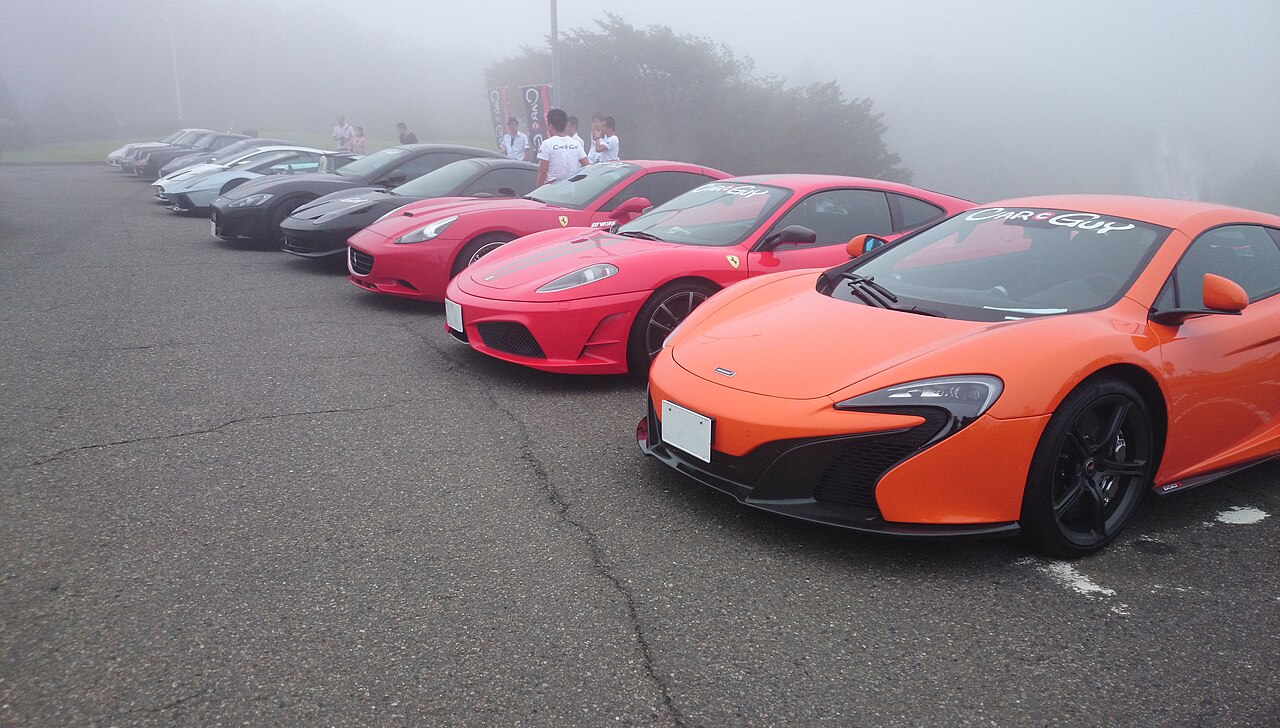
The Hakone Turnpike, a privately owned toll road, opened on February 16, 1955, originally serving as an important bypass to the busy, mountainous section of National Route 1 through the Hakone area. The road stretches 15.752 kilometers, climbing from near sea level at Odawara to roughly 1,000 meters elevation, connecting through to Yugawara, and has long been associated with Japan’s broader driving and automotive event culture, with the Daikanzan Observation Deck near the toll gate commonly serving as a gathering point for organized automotive events held on the route.
Tolls for the main Odawara-to-Hakone line are commonly cited around 900 yen for a standard car, with a shorter connector segment toward Izu priced separately at roughly 200 yen, payable by cash or electronic toll collection systems, and gate operating hours generally running from early morning through late evening.
Spectacular Views, Weather-Dependent Reality
Both routes are genuinely celebrated for their scenery, the Hakone Turnpike offering panoramic views of Sagami Bay, the Pacific coastline, and, on sufficiently clear days, Mount Fuji itself visible from its higher elevations, while the Fuji Subaru Line offers its own dramatic elevated perspective directly on the mountain’s slope. It’s worth understanding realistically, however, that Mount Fuji’s visibility from either route depends heavily on weather and seasonal atmospheric conditions, and visitors specifically hoping for a clear mountain view should research typical visibility patterns for their planned travel dates rather than assuming guaranteed clear conditions on any given day.
⚠️ Caution: These Are Real Public Roads, Not Closed Courses
Despite their strong association with Japan’s driving and touge enthusiast culture, both the Fuji Subaru Line and Hakone Turnpike are genuine public toll roads shared with regular tourist and commercial traffic, not closed courses for spirited driving. Both routes have historically also carried associations with more aggressive touge-style driving culture, which has led to real safety concerns and periodic enforcement attention over the years. Anyone driving these routes should treat them as the shared public roads they legally are, respecting posted speed limits and other traffic, rather than treating a scenic mountain drive as an invitation for aggressive driving on a road other visitors and residents also rely on.
Planning a Visit: Timing Matters as Much as Route Choice
For international visitors specifically hoping to drive these routes themselves, whether in a rental car or an imported vehicle registered in Japan, timing your visit around each road’s specific seasonal and access considerations matters as much as choosing which route to prioritize. The Fuji Subaru Line’s summer access restriction in particular can meaningfully disrupt a poorly timed visit, while the Hakone Turnpike, while not subject to the same seasonal vehicle ban, still benefits from checking current toll gate hours and any temporary closures for weather or maintenance before setting out, particularly during Japan’s winter months when mountain road conditions can change quickly.
Connecting Into a Broader Fuji-Hakone-Izu Circuit
For visitors with more time to explore, both routes sit within the broader Fuji-Hakone-Izu National Park region, home to several other related driving roads worth understanding as part of a larger potential circuit rather than isolated destinations. The Ashinoko Skyline, running along Lake Ashi near Hakone, and portions of the Izu Skyline further south are commonly grouped together with the Hakone Turnpike within Japan’s broader enthusiast driving culture, together forming what’s sometimes referred to collectively as a Hakone touge circuit. Planning a visit around this wider network, rather than treating the Fuji Subaru Line and Hakone Turnpike as entirely separate day trips, can make for a considerably more efficient and rewarding multi-day driving itinerary for visitors specifically interested in Japan’s mountain road culture.
Public transportation and rental car logistics between these specific routes vary, and the region overall sees heavy tourist traffic, particularly during Japanese holiday periods, weekends, and the cherry blossom and autumn foliage seasons, making advance route and timing research genuinely worthwhile regardless of which specific combination of roads you’re hoping to experience.
Rest Areas and Practical Stops Along the Way
Both routes include practical rest and viewing stops worth building into a visit rather than treating the drive as a pure point-to-point transit. The Fuji Subaru Line includes designated parking and viewing areas along its climb, culminating in the fifth station itself, which offers food, souvenir shops, and the starting point for the Yoshida hiking trail toward Fuji’s summit for visitors interested in combining driving with at least a partial hiking experience. The Hakone Turnpike’s Daikanzan Observation Deck near its summit similarly functions as both a scenic viewpoint and a practical gathering and rest stop, reflecting the road’s long-standing role as a genuine destination in its own right, not simply a route to somewhere else.
Frequently Asked Questions
Q: When was the Fuji Subaru Line built, and how long is it?
A: It opened in 1964 and stretches 29.5 kilometers from the Kawaguchiko area to Mount Fuji’s Fifth Station at 2,305 meters elevation.
Q: Can I drive my own car up the Fuji Subaru Line any time of year?
A: Not during peak season. A “My Car Regulation” typically bans private vehicles from roughly early July through mid-September, requiring visitors to park remotely and take a shuttle bus instead during that period.
Q: What is the Hakone Turnpike, and when did it open?
A: A privately owned 15.752-kilometer toll road that opened in February 1955, climbing from near sea level at Odawara to roughly 1,000 meters elevation, long associated with Japan’s driving and automotive event culture.
Q: Is Mount Fuji always visible from these routes?
A: No. Visibility depends heavily on weather and seasonal atmospheric conditions, so a clear mountain view is never guaranteed on any given day.
Q: Are these routes closed courses for spirited driving?
A: No. Both are genuine public toll roads shared with regular traffic, and drivers should respect posted speed limits and other road users rather than treating them as closed driving courses.
This article is for general informational purposes and reflects commonly cited information about these routes. Specific tolls, access restrictions, and seasonal dates change over time – always verify current information with official sources before planning a visit.
Image credit: Hakone Turnpike Sports car Event by PekePON, CC BY-SA 4.0, via Wikimedia Commons
コメント