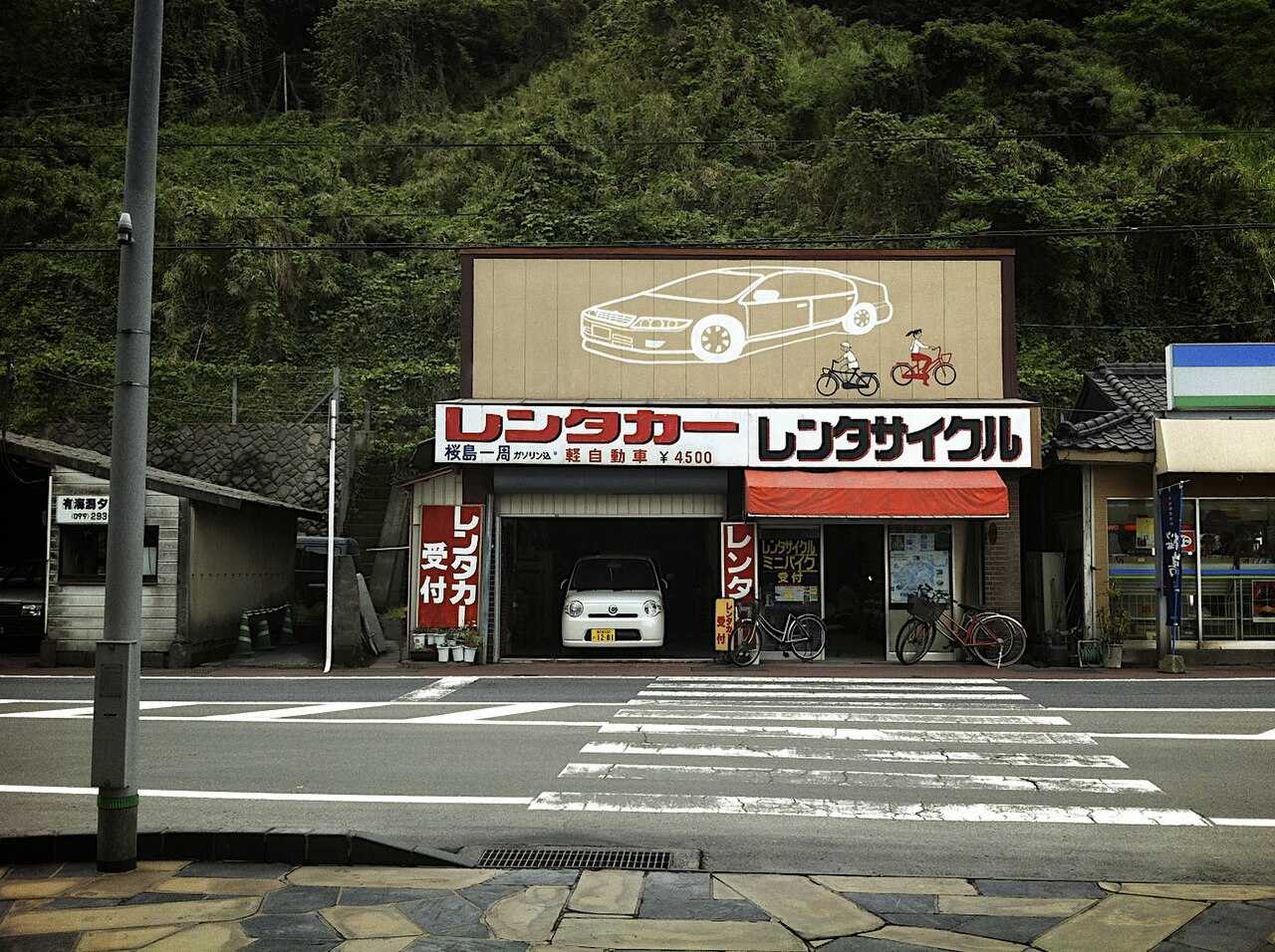
Moving to Japan raises an obvious practical question for anyone used to driving regularly back home: should you buy a car, or is renting (or simply relying on Japan’s famously excellent public transportation) the smarter move? The honest answer depends heavily on where in Japan you’re living, how long you plan to stay, and how often you’ll actually need a vehicle. This guide walks through the real costs and tradeoffs of each option, plus the specific bureaucratic hurdle — the parking certificate — that catches many foreign residents off guard when they do decide to buy.
📋 What You’ll Learn in This Guide
- The real ongoing costs of owning a car in Japan, beyond just the purchase price
- When renting or car-sharing genuinely makes more financial sense
- What the shako shomeisho (parking certificate) requirement actually involves
- Why leasing is often the most practical option specifically for foreign residents
- How your specific location in Japan should shape this decision
- The Real Cost of Owning a Car in Japan
- When Renting (or Not Owning at All) Makes More Sense
- When Buying Genuinely Makes Sense
- The Shako Shomeisho: The Parking Certificate You Can’t Skip
- Why Leasing Often Beats Both Renting and Buying for Foreign Residents
- Factoring in Your Specific Neighborhood, Not Just Your City
- Frequently Asked Questions
- Final Thoughts
The Real Cost of Owning a Car in Japan
Buying a car in Japan involves considerably more ongoing cost than just the sticker price. Beyond the purchase price itself (which can start from roughly ¥1 million for a modest new car, or considerably less for a good used vehicle), you’ll face acquisition and weight taxes at purchase, annual automobile tax (commonly somewhere in the range of ¥30,000 to ¥50,000 per year for a standard passenger car, though kei cars are notably cheaper), mandatory liability insurance, and the recurring shaken inspection cycle covered in detail elsewhere on this site, which becomes progressively more expensive as the car ages. If you don’t have a private parking space at your residence, which is common in dense urban areas, monthly parking rental can easily add another ¥20,000 to ¥30,000 or more per month, depending on your specific city and neighborhood.
Add all of this together, and car ownership in Japan, particularly in a major city, is a genuinely significant recurring expense — one that many foreign residents underestimate when comparing it purely to the sticker price of the vehicle itself.
When Renting (or Not Owning at All) Makes More Sense
For residents living in central Tokyo, Osaka, or other major metropolitan areas with genuinely excellent train and subway coverage, many foreign residents find they simply don’t need a car for day-to-day life at all, relying instead on public transportation for commuting and occasional rental cars for weekend trips, visits to areas trains don’t reach well, or moving larger items. Rental cars in Japan are widely available, generally well-maintained, and increasingly easy to book through English-language apps and websites, making this a genuinely low-friction option for occasional use.
Car-sharing services, which let you book a nearby vehicle by the hour rather than committing to a full-day rental, have also expanded significantly in Japanese cities and can be an even more cost-effective middle ground for residents who need occasional car access without either full ownership or the minimum-day-length commitment of traditional rental.
💡 Tip
If you’re newly arrived and genuinely unsure whether you’ll need a car long-term, resist the urge to buy immediately. Rent or use car-sharing for your first few months while you get a real feel for how often you actually need a vehicle in your specific neighborhood, then make the buy-versus-rent decision based on actual usage patterns rather than an assumption carried over from your home country’s car culture.
When Buying Genuinely Makes Sense
For residents living outside major city centers — in suburban areas, smaller cities, or rural regions where public transportation coverage thins out considerably — owning a car often shifts from a lifestyle preference to a near-necessity for daily life: commuting, grocery shopping, and reaching areas simply not well served by trains or buses. If this describes your situation, and especially if you’re planning to stay in Japan for several years rather than a short posting, the math tends to favor ownership over the cumulative cost of frequent rentals, along with the basic convenience of having a vehicle available whenever you need it rather than planning around a rental reservation.
The Shako Shomeisho: The Parking Certificate You Can’t Skip
If you do decide to buy, there’s a bureaucratic step that surprises many first-time foreign buyers: before you can register a car in most of Japan, you must obtain a shako shomeisho (parking space certificate) proving you have a legitimate, verified parking space within roughly 2 kilometers of your registered address. This isn’t a formality — Japanese law genuinely prohibits registering a vehicle without demonstrating you have somewhere legal to keep it, a rule aimed specifically at preventing the kind of chronic street-parking congestion common in some other countries.
The process involves visiting your local police station’s traffic division (not the regular counter — specifically the shako shoumei window), providing evidence of your right to use a specific parking space (this can be a space you own, or one you’ve legitimately rented — ownership isn’t required, just verified permission to use it), and paying an application fee, typically around ¥2,100 though this varies somewhat by prefecture. After your initial application, a police officer will physically visit and verify the parking space in person, typically within 3 to 7 days, after which you return to collect the completed certificate.
⚠️ Caution
Secure your parking arrangement before you finalize a car purchase, not after. Some new car buyers make the mistake of agreeing to purchase a vehicle first, only to discover their parking situation doesn’t clearly qualify or takes longer than expected to verify, delaying their ability to actually register and legally drive the car they’ve already committed to buying.
It’s also worth noting that this requirement is tied to your registered address, and importantly, most residents need at least a mid-term visa and a registered address to go through this process at all — a short-term tourist visa generally won’t allow you to purchase and register a car, which is itself one more reason rental or car-sharing makes more sense for genuinely short stays.
Why Leasing Often Beats Both Renting and Buying for Foreign Residents
Between the full commitment of ownership and the ongoing cost of frequent rentals, many foreign residents in Japan find that leasing hits a practical sweet spot, and it’s frequently recommended specifically for this group. A lease typically bundles the vehicle, and often maintenance and even shaken costs, into one predictable monthly payment, sidesteps the depreciation risk of eventually reselling a car (foreign residents sometimes leave Japan on relatively short notice, and reselling a private vehicle quickly can be inconvenient), and in many cases simplifies or entirely handles the parking certificate paperwork as part of the dealer or leasing company’s standard process. For residents who want the convenience of having their own car without the long-term commitment and resale hassle of outright ownership, leasing is often described as the most hassle-free option specifically available to foreign residents.
Factoring in Your Specific Neighborhood, Not Just Your City
It’s worth being more granular than simply thinking in terms of “Tokyo versus rural Japan,” since transit access can vary enormously even within a single city. A resident living directly along a major train line in central Tokyo has a very different day-to-day transportation reality than someone living in an outer suburb of the same greater metropolitan area, even though both technically live in “Tokyo.” Before making your decision, it’s worth honestly mapping out your actual daily commute, your nearest grocery store, and how you’d handle the specific errands and trips that come up regularly in your life, rather than relying on a broad generalization about your city as a whole. Many foreign residents find that a few weeks of genuinely tracking how often they’d have used a car, had they owned one, gives them far better information than guessing in advance.
Frequently Asked Questions
Q: Can I buy a car in Japan on a tourist visa?
A: Generally no — you typically need a registered address and a mid-to-long-term visa status (work, student, spouse, or similar) to complete vehicle registration, since the process is tied to your official residency registration, not just physical presence in the country.
Q: Do kei cars have different parking certificate requirements than regular cars?
A: In many areas, kei cars are exempt from the shako shomeisho requirement, particularly in less densely populated regions, which is one more reason kei cars are such a popular choice for foreign residents and Japanese owners alike outside major metropolitan centers. Requirements can vary by municipality, so it’s worth confirming your specific local rules.
Q: Is it hard to sell a car when I eventually leave Japan?
A: It’s manageable but does take some planning — you’ll need to work through proper ownership transfer paperwork, and timing your sale around your departure date requires some lead time. This is one of the practical factors that makes leasing appealing for residents who anticipate leaving Japan on a schedule that isn’t entirely predictable.
Final Thoughts
There’s no universally correct answer to renting versus buying in Japan — it depends heavily on where you live, how long you’re staying, and how often you’ll genuinely need a car day-to-day. Urban residents with strong public transportation access often do fine without ownership at all, relying on occasional rentals or car-sharing. Residents in less transit-connected areas, or those planning a longer-term stay, often find ownership pays off despite the real ongoing costs. And for many foreign residents caught in between, leasing offers a genuinely practical middle path that sidesteps both the commitment of ownership and the accumulating cost of frequent rental. Whatever you choose, budget honestly for the full cost of ownership beyond the sticker price, and if you do buy, start your parking certificate process early rather than treating it as an afterthought.
Image credit: Rental car shop, Kagoshima by preetamrai (CC BY 2.0), via Wikimedia Commons

コメント