📋 Summary
- Nifco Inc. is a Japanese automotive plastic fastener and component manufacturer, established February 13, 1967, as Nippon Industrial Fastener Corporation, a joint venture between Nichiei Bussan (60 percent) and US-based ITW (40 percent), headquartered in Yokohama
- Nifco pioneered plastic, rather than metal, automotive fasteners in Japan, and by 1972 had established technology-transfer agreements with General Motors, Chrysler, and Ford, an early and genuinely unusual case of a Japanese Tier 2 supplier exporting technology to Detroit rather than the more typical reverse direction
- The company’s product range today spans plastic fasteners and clips, interior and exterior trim attachment hardware, and fuel-system and thermal-management plastic components
- Nifco is independently publicly listed with global manufacturing operations across Japan, the United States, Europe, and China, with no recent ownership upheaval found in available sources
The plastic fasteners and clips holding your JDM vehicle’s trim panels and hardware together, components genuinely invisible until one breaks, have a strong chance of being Nifco products, a Japanese pioneer whose plastic fastener technology was exported to Detroit decades before most Japanese suppliers reversed that flow.
Founded as a US-Japan Joint Venture, Pioneering Plastic Fasteners in Japan
Nifco was established on February 13, 1967, as Nippon Industrial Fastener Corporation, a joint venture between Nichiei Bussan, holding 60 percent, and US-based ITW, holding 40 percent, according to the company’s own corporate history. The company is headquartered in Yokohama. Nifco pioneered plastic, rather than metal, automotive fasteners in Japan, a genuinely significant shift in fastener technology at the time.
💡 Tip: Nifco Exported Technology to Detroit Decades Before the Typical Direction Reversed
By 1972, Nifco had established technology-transfer agreements with General Motors, Chrysler, and Ford, embedding its plastic fastener technology in American cars during a period when Japan’s automotive industry was still rapidly industrializing, a genuinely unusual early example of a Japanese Tier 2 supplier exporting technology to Detroit rather than the reverse.
An Independent, Globally Manufacturing Company
Nifco is independently publicly listed, with global manufacturing operations spanning Japan, the United States, Europe, and China. No recent ownership upheaval, foreign acquisition, or financial distress was found in available sources, a useful point of clarity given how many companies covered elsewhere in this series have undergone significant recent corporate changes.
Beyond Simple Clips: Fuel-System Safety Components You’ve Never Heard Of
Nifco’s fuel-system product range extends genuinely well beyond basic clips into components that play a real safety role. The company manufactures fill-limit vent valves and inlet check valves that regulate airflow during refueling, capless filler system components that eliminate the traditional screw-on gas cap, and, genuinely important, rollover valves, small check valves specifically designed to seal a fuel line shut automatically in the event a vehicle rolls onto its side or roof, helping prevent fuel from siphoning out and creating a fire hazard during a crash. Nifco also produces conductive fuel-line clamps that both physically anchor a fuel line and ground it electrically to the vehicle body, reducing static-discharge risk during refueling. More recently, the company has adapted its “push lifter” mechanism, originally developed for fuel filler doors, to EV charging port doors, a genuinely direct example of a legacy internal-combustion component finding a new application in electrified vehicles.
Why Small Fasteners and Clips Matter More Than They Seem To
As with other fastener specialists covered elsewhere in this series, it’s easy to dismiss plastic clips and fasteners as trivial, but a broken or missing Nifco-style clip is a genuinely common source of interior rattles, loose trim panels, or fuel-system component issues, exactly the kind of small, cumulative problem that makes an aging JDM import feel less well put together than it mechanically is. Understanding that a major, established specialist like Nifco likely engineered these small components provides useful context when tracking down a rattle or sourcing a genuine replacement part.
⚠️ Caution: Don’t Improvise Repairs on Fuel-System Plastic Components
Fuel-system plastic fasteners and components genuinely require correct, purpose-built replacement parts rather than improvised fixes, since a fuel-system failure carries genuine fire risk. Have any suspected fuel-system component issue diagnosed and repaired by a qualified professional using correct replacement parts.
Frequently Asked Questions
Q: What does Nifco make?
A: Plastic automotive fasteners and clips, interior and exterior trim attachment hardware, and fuel-system and thermal-management plastic components.
Q: When was Nifco founded?
A: February 13, 1967, as a joint venture between Nichiei Bussan and US-based ITW, headquartered in Yokohama.
Q: Did Nifco really supply American automakers?
A: Yes, by 1972 Nifco had established technology-transfer agreements with General Motors, Chrysler, and Ford.
Q: Is Nifco an independent company?
A: Yes, Nifco is independently publicly listed with global manufacturing operations, and no recent ownership upheaval has been found.
This article is for general informational purposes based on publicly available company sources. Have any suspected fuel-system component issue diagnosed and repaired by a qualified professional.
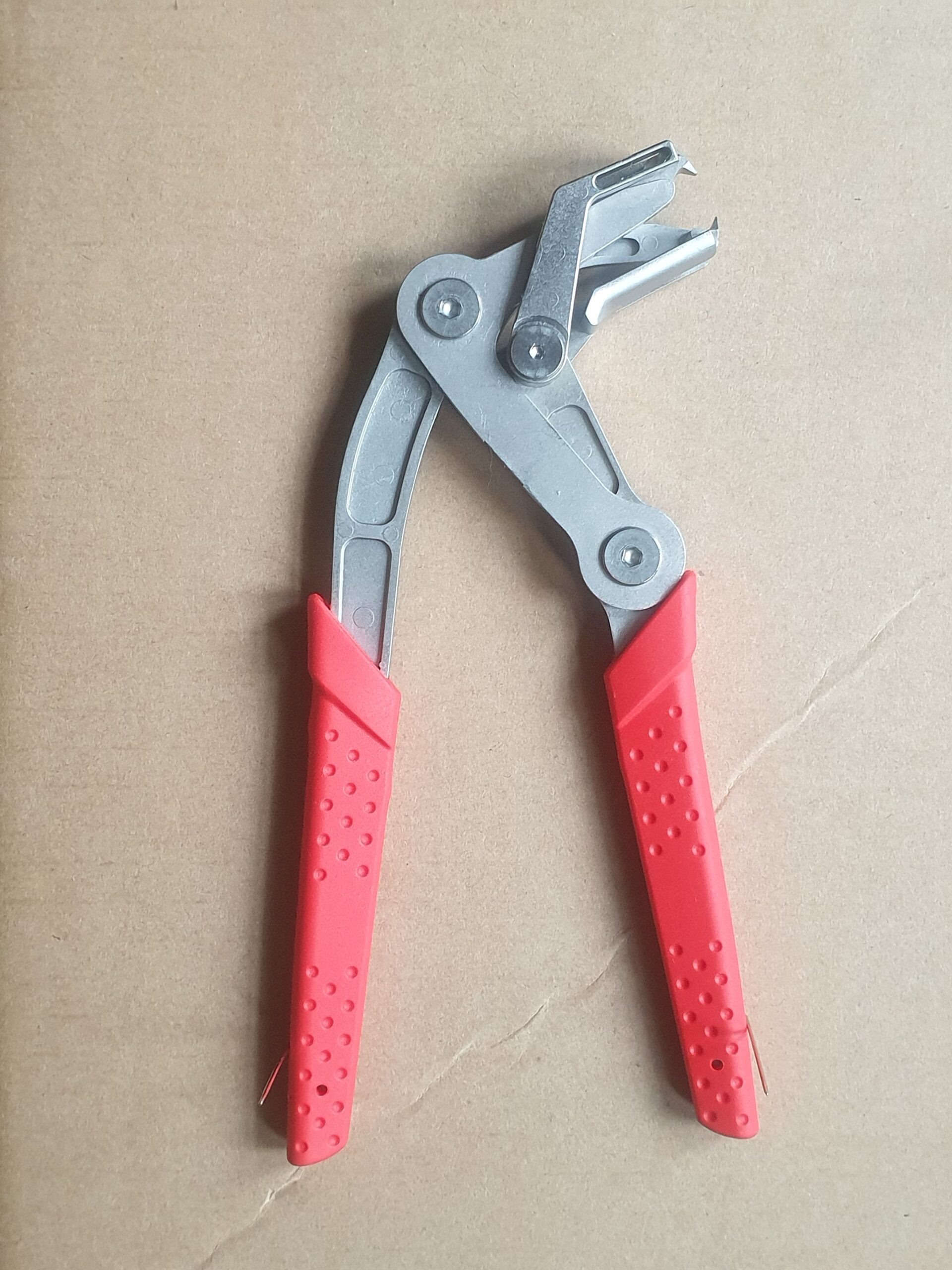
Image credit: Plastic bodywork rivet pulling pliers by Andy Dingley, CC BY-SA 4.0, via Wikimedia Commons
コメント