📋 Summary
- NOK Corporation is a major Japanese manufacturer of oil seals, packings, O-rings, and mechanical seals, founded November 18, 1939, as Nippon Oil Seal Industry Co., Ltd., by founder Seigo Tsuru
- The company is headquartered in Shibadaimon, Minato-ku, Tokyo, and has maintained a capital tie-up with Germany’s Freudenberg Group since 1960, with Freudenberg still holding approximately 25% of NOK today
- Beyond sealing components, NOK operates a genuinely significant flexible printed circuit (FPC) electronics business, a diversification that might surprise anyone who only associates the company with mechanical seals
- Oil seals and sealing components are a genuinely invisible but essential category, preventing fluid leaks throughout an engine, transmission, and other vehicle systems, work that goes entirely unnoticed until a seal fails
Every fluid-containing system in your JDM vehicle, the engine, the transmission, the differential, depends on seals that quietly do their job for years, and NOK is one of the most significant Japanese companies behind exactly that unglamorous but essential component category.
An Oil Seal Specialist Since 1939
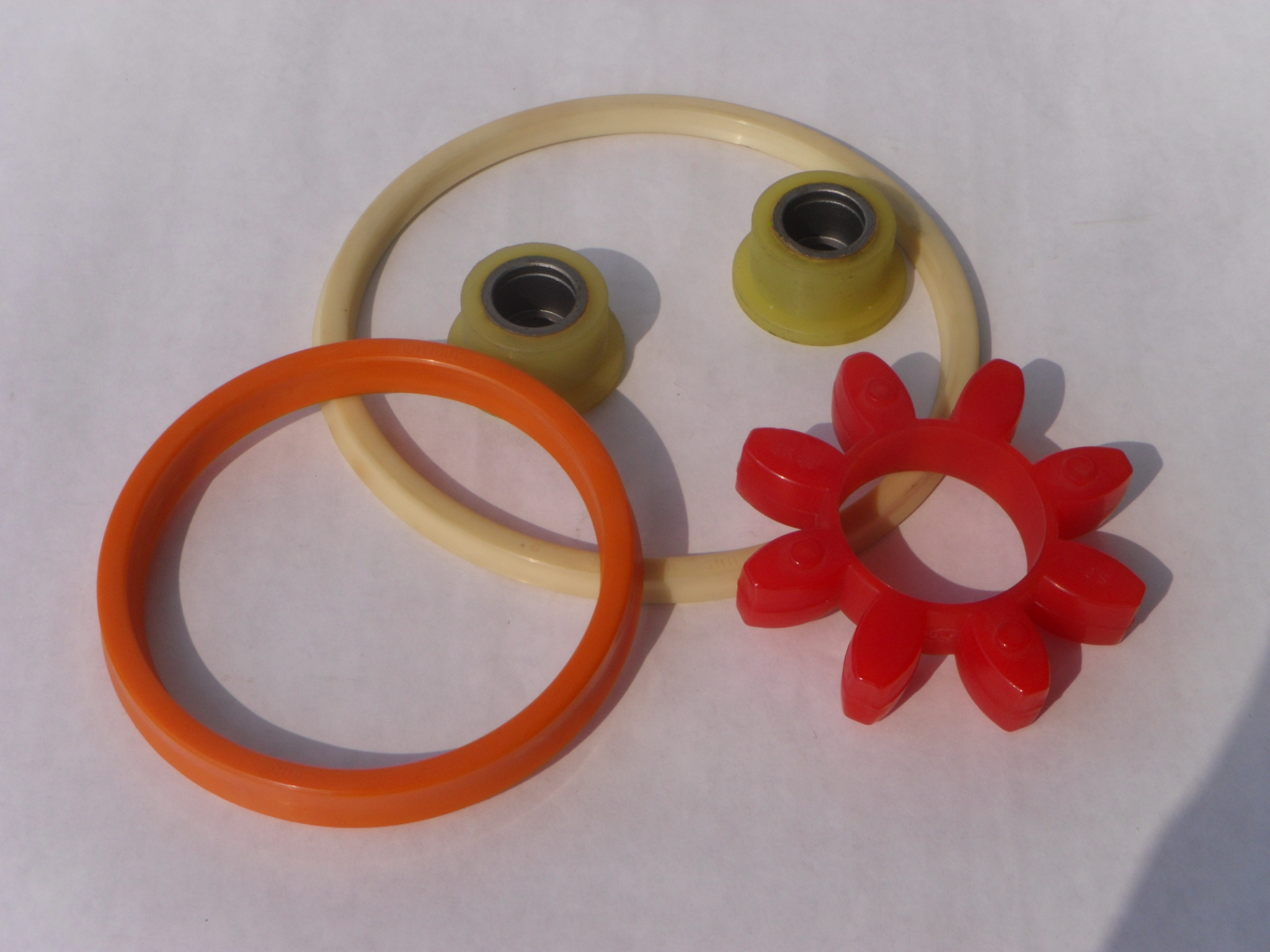
NOK Corporation was founded November 18, 1939, as Nippon Oil Seal Industry Co., Ltd., by founder Seigo Tsuru, according to the company’s own corporate history. The company is headquartered in Shibadaimon, Minato-ku, Tokyo. NOK’s core specialty covers oil seals, packings, O-rings, and mechanical seals, precision rubber and elastomer components designed to prevent fluid leaks at points where moving parts, like a rotating shaft, pass through a stationary housing.
💡 Tip: NOK Has a Genuine German Partnership Dating to 1960
NOK has maintained a capital tie-up with Germany’s Freudenberg Group since 1960, with Freudenberg still holding approximately 25% of NOK today, according to available corporate records. This genuinely long-running international partnership reflects sealing technology expertise shared between two established manufacturers across different countries.
A Surprising Second Business in Electronics
Beyond its core sealing components business, NOK operates a genuinely significant flexible printed circuit (FPC) electronics business, a diversification that might surprise anyone who only associates the company name with mechanical oil seals. This dual identity, precision rubber sealing components and flexible electronics, reflects a company that’s built genuinely diverse precision-manufacturing expertise well beyond its founding specialty.
Modern Seal Technology That Actually Reduces Fuel Consumption
It’s genuinely worth knowing that oil seal engineering has advanced well beyond simply “sealing better,” into technology that measurably affects fuel economy. Through its Freudenberg partnership, NOK-linked seal technology now includes designs like Levitas seals, which run on a self-generated hydrodynamic oil film rather than direct rubbing contact, effectively floating the sealing lip on a cushion of oil and reducing rotational friction, and therefore parasitic drag, by as much as 70 percent compared to a conventional contact seal. Complementing this, low-friction “Simmerring” seals built from an advanced rubber compound can reduce friction by up to roughly 20 percent, while dedicated energy-saving seal designs push friction reduction as high as 40 percent in some applications. Given how many rotating shafts, crankshaft, camshaft, transmission input and output shafts, differential pinion, a typical vehicle carries, each fitted with its own seal, these friction reductions genuinely compound across a vehicle into a measurable real-world fuel economy benefit, not just a laboratory curiosity.
Why Oil Seal Failure Is a Genuine Maintenance Concern
A failing oil seal, whether at the front or rear main seal of an engine, a transmission output shaft, or a differential, can cause a genuinely real fluid leak, and on an aging JDM import, seal degradation from age and heat cycling is a real, common maintenance issue. Understanding that a major, established sealing specialist like NOK likely engineered the original seals in your vehicle provides useful context when diagnosing a fluid leak or sourcing correct replacement parts, rather than assuming any generic seal will provide equivalent performance and longevity.
⚠️ Caution: Don’t Ignore Small Fluid Leaks
A small, seemingly minor fluid leak from a seal can indicate developing wear that will genuinely worsen over time, and running an engine, transmission, or differential low on fluid due to an undiagnosed seal leak can cause much more serious, expensive damage. Have any fluid leak diagnosed and addressed promptly, rather than dismissing it as a minor drip.
Frequently Asked Questions
Q: What does NOK Corporation make?
A: Oil seals, packings, O-rings, and mechanical seals, precision components that prevent fluid leaks at moving parts, alongside a separate flexible printed circuit electronics business.
Q: Is NOK connected to a foreign company?
A: Yes, it has maintained a capital tie-up with Germany’s Freudenberg Group since 1960, with Freudenberg still holding approximately 25% of NOK today.
Q: When was NOK founded?
A: November 18, 1939, as Nippon Oil Seal Industry Co., Ltd., by founder Seigo Tsuru.
Q: Why does oil seal quality matter?
A: A failing oil seal can cause fluid leaks in critical systems like the engine, transmission, or differential, and undiagnosed leaks can lead to more serious damage from low fluid levels.
This article is for general informational purposes based on publicly available company sources. Always have fluid leaks diagnosed and repaired by a qualified professional promptly, rather than allowing a developing leak to continue unaddressed.
Image credit: Assortment of Oil Seals by Qingshansealing, CC BY-SA 4.0, via Wikimedia Commons
コメント