📋 Summary
- Project Kics is a wheel lug nut, wheel lock, and hub-centric spacer brand made by Kyo-Ei Co., Ltd., a Japanese manufacturer based in Osaka
- Kyo-Ei is a genuinely distinct company from Rays Engineering (maker of Volk Racing wheels, covered elsewhere in this series), founded around 1965 according to industry records, and supplies OEM lug nuts to Toyota, Nissan, and Honda in addition to its aftermarket Project Kics line
- The brand’s best-known product, the R40 lug nut, uses a two-piece design: a cold-forged steel body paired with a separate aluminum taper-seat that spins freely, intended to seat precisely without marring the wheel’s finish during torquing
- Kyo-Ei sells internationally, including to the United States, Germany, and France
Wheel hardware is one of those genuinely unglamorous JDM parts categories that rarely gets enthusiast attention until something strips or seizes, but Project Kics has built a real reputation specifically in this space, distinct from the wheel manufacturers themselves.
Kyo-Ei: A Lug Nut and Spacer Specialist, Not a Wheel Maker
Project Kics is a brand of Kyo-Ei Co., Ltd. (协永瀑業), a company based in Osaka, Japan, founded around 1965 according to consistent industry and business-registry records (an official founder name wasn’t found in publicly available sources). It’s genuinely important to distinguish Kyo-Ei from Rays Engineering, the maker of Volk Racing wheels covered elsewhere in this series: Rays makes complete wheels, while Kyo-Ei specializes specifically in wheel lug nuts, wheel locks, and hub-centric spacers, a narrower and more specialized product category. Kyo-Ei also supplies OEM lug nuts to major automakers including Toyota, Nissan, and Honda, alongside its own aftermarket Project Kics line, and sells internationally, including to the United States, Germany, and France.
💡 Tip: The R40 Uses a Two-Piece Design for a Reason
Project Kics’ well-known R40 lug nut uses a cold-forged steel body paired with a separate aluminum taper-seat that spins freely on the body, according to the company’s own product materials. This design is intended to let the nut seat precisely against the wheel during torquing without twisting or marring the wheel’s finish, a genuine concern with cheaper single-piece lug nuts on lighter aftermarket wheels.
Hub-Centric vs. Lug-Centric: The Fitment Concept Behind Kyo-Ei’s Whole Business
It’s genuinely worth understanding the specific fitment concept that makes companies like Kyo-Ei necessary in the first place. A wheel’s center bore, the hole in the middle, can locate onto the vehicle’s hub in one of two genuinely different ways: a hub-centric wheel has a center bore machined to match the hub’s exact diameter, so the hub itself, not the lug nuts, actually centers and bears the wheel’s weight; a lug-centric wheel instead relies entirely on the lug nuts (or bolts) to both center and hold the wheel, with the center bore playing no locating role at all. Most factory wheels are hub-centric, but because a single aftermarket wheel design often needs to fit many different vehicle platforms with varying hub sizes, most aftermarket wheels are manufactured lug-centric with a deliberately oversized center bore, then paired with a separate hub-centric ring, a plastic or aluminum sleeve filling the gap between the oversized bore and the actual hub, to properly center the wheel. Skipping that ring, or using an incorrectly sized one, can leave a wheel riding slightly off-center, a genuine cause of a steady vibration around highway speed that no amount of wheel balancing will actually fix, precisely the kind of correct-fitment problem Kyo-Ei’s broader hardware catalog, not just lug nuts, is built to solve.
Why Lug Nut and Spacer Choice Genuinely Matters
Swapping to aftermarket wheels frequently changes the required lug nut type (seat shape, thread pitch, and length all vary), and hub-centric spacers are sometimes needed to correctly fit wheels designed for a different hub bore diameter. Getting either of these wrong isn’t a cosmetic issue, it’s a genuine safety concern, since improperly seated lug nuts or incorrectly sized spacers can affect wheel retention. Kyo-Ei’s broader Project Kics catalog, including its Bull Lock wheel lock line and forged titanium Ti64 Elementek nuts, reflects a company built around solving this specific, safety-relevant fitment problem rather than a general accessory catalog.
⚠️ Caution: Match Lug Nuts and Spacers Exactly to Your Wheel Setup
Using the wrong lug nut seat type, thread pitch, or an incorrectly sized wheel spacer can result in improperly torqued or seated wheels, a genuine safety risk. Always confirm the correct specifications for your specific wheel and hub combination, and have wheel-related hardware installed or verified by a qualified professional, rather than guessing based on a similar-looking part.
Frequently Asked Questions
Q: Is Project Kics the same company as Rays Engineering (Volk Racing)?
A: No, they’re genuinely separate companies. Kyo-Ei (Project Kics) specializes in lug nuts, wheel locks, and spacers, while Rays Engineering manufactures complete wheels.
Q: What is the R40 lug nut known for?
A: Its two-piece design, a steel body with a separate, freely spinning aluminum taper-seat, intended to seat precisely without marring wheel finish during torquing.
Q: Does Kyo-Ei only make aftermarket parts?
A: No, it also supplies OEM lug nuts to major automakers including Toyota, Nissan, and Honda, alongside its aftermarket Project Kics line.
Q: Why would I need a wheel spacer?
A: Aftermarket wheels are sometimes designed for a different hub bore diameter than your vehicle’s hub, and a correctly sized hub-centric spacer can be needed to fit them properly and safely.
This article is for general informational purposes based on publicly available company sources; the founding year is sourced from industry records rather than an official primary company history page. Wheel hardware specifications and product lineups change over time – always verify current details directly with the brand or a qualified professional before purchasing or installing wheel hardware.
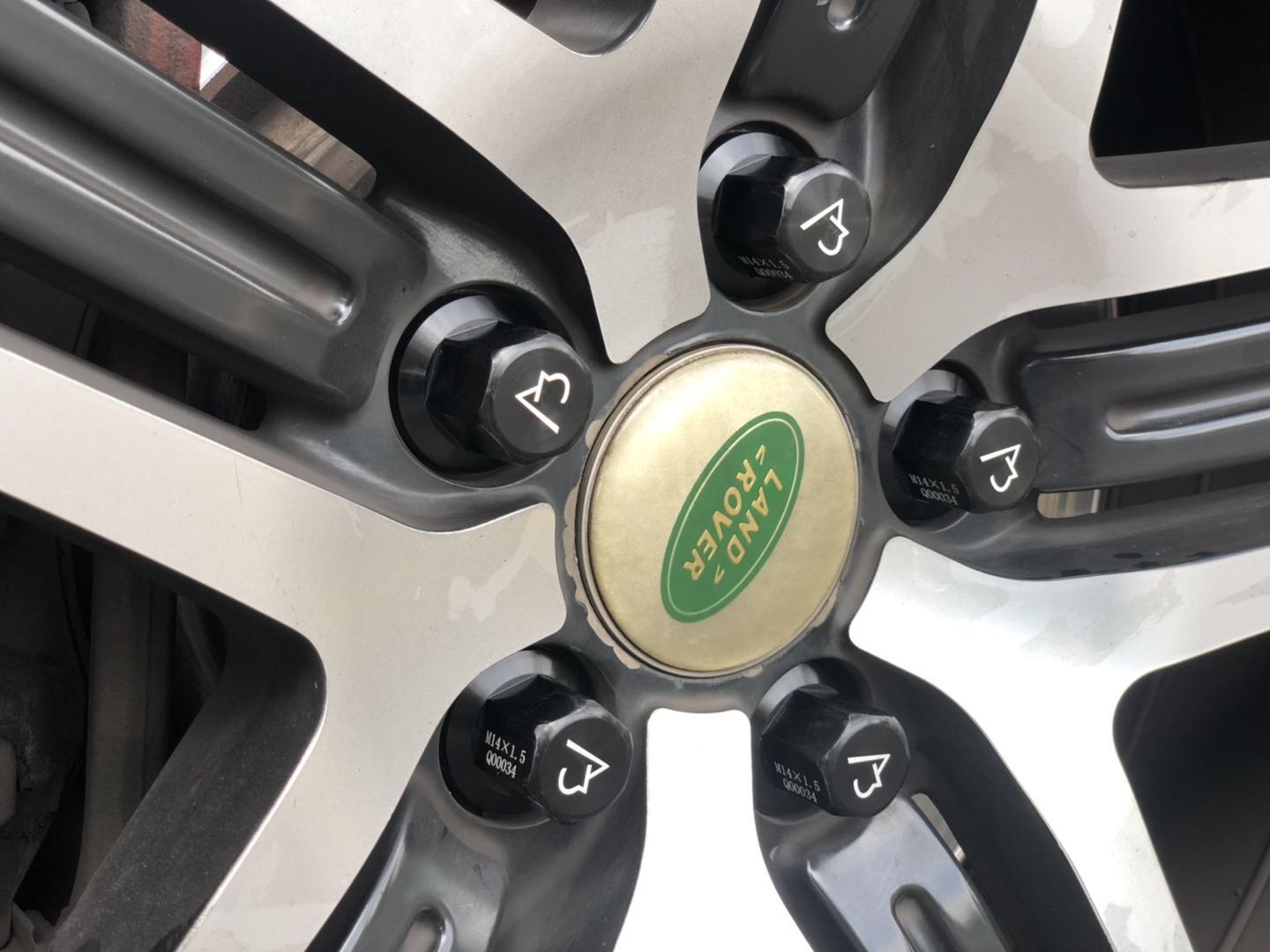
Image credit: Wheel Lug Nuts by 12600126xy, CC BY-SA 4.0, via Wikimedia Commons


コメント