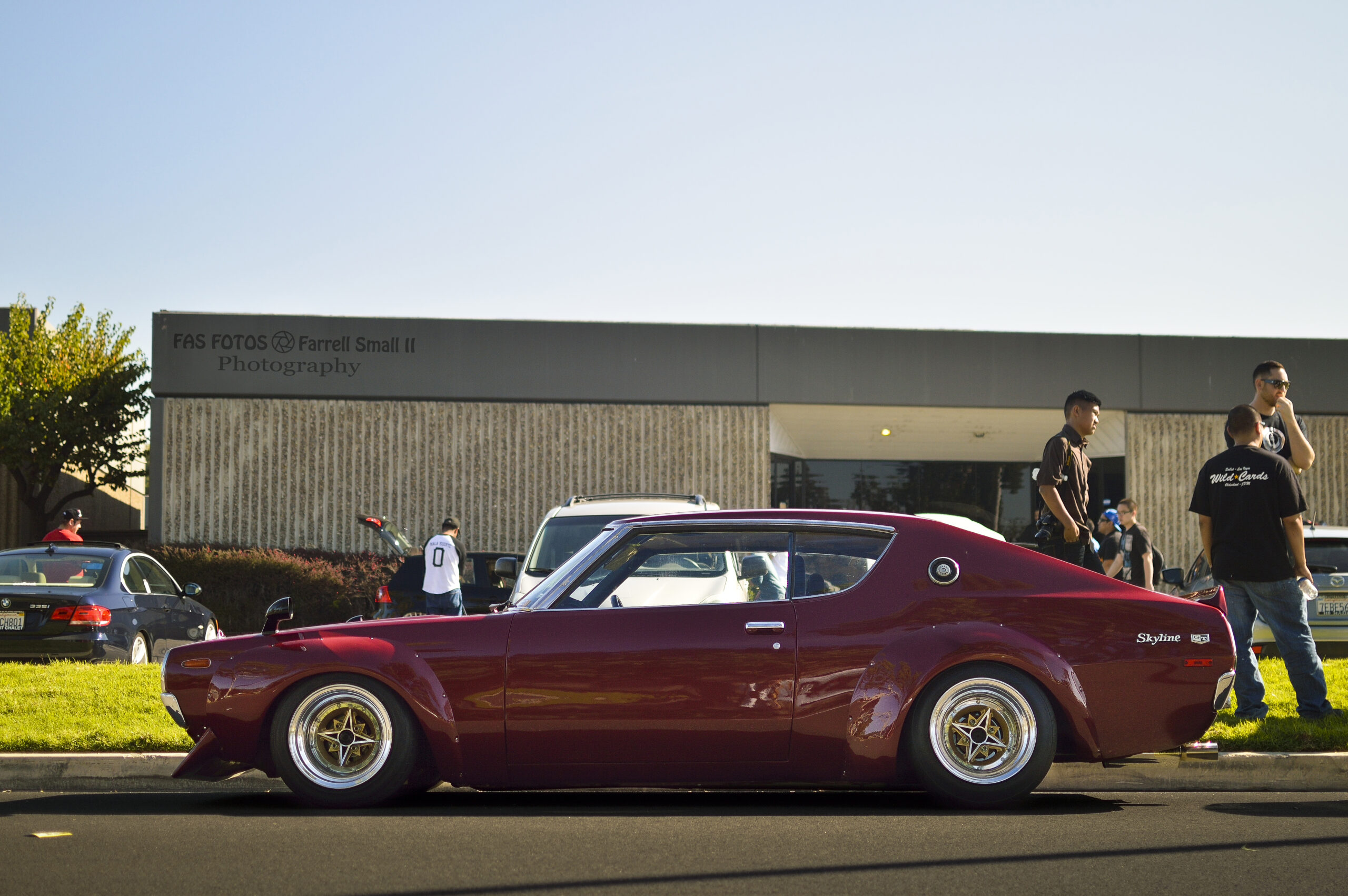
Among Japan’s many distinctive car and motorcycle subcultures, few have generated as much visual fascination — and as much confusion for overseas observers — as bosozoku. Characterized by extravagantly modified motorcycles and cars, exaggerated bodywork, deliberately loud exhausts, and a deeply confrontational aesthetic, bosozoku culture peaked as an actual organized phenomenon decades ago but continues to influence Japanese automotive style today, often stripped of its original context and gang associations. This guide explains where the culture came from, how it declined, and how its visual legacy lives on in today’s kaido racer and VIP car scenes.
📋 What You’ll Learn in This Guide
- The postwar origins of bosozoku motorcycle culture
- How the subculture grew, organized, and eventually declined under police crackdowns
- The distinctive visual style associated with bosozoku vehicles
- How kaido racer and VIP styles relate to, but differ from, bosozoku itself
- How to appreciate the style responsibly as an outside observer today
- Postwar Origins
- From Loose Gatherings to Organized Gangs
- Peak Popularity and Decline
- The Distinctive Visual Style
- Kaido Racer: A Related but Distinct Style
- VIP Style: A Different Branch Entirely
- How Bosozoku Differs From Related American and European Subcultures
- Bosozoku’s Portrayal in Film, Manga, and Games
- Regional Variation Within Japan
- Frequently Asked Questions
- Final Thoughts
Postwar Origins
Bosozoku’s roots trace back to the 1950s, in the disrupted, rapidly industrializing margins of Japanese cities during the postwar reconstruction period. A commonly cited, if difficult to verify with full historical precision, explanation connects the earliest gatherings to a generation of young men grappling with the abrupt transition from wartime mobilization to ordinary civilian life, drawing loosely on imagery from Western youth rebellion films of the era like “Rebel Without a Cause.” Whatever the precise origin, informal groups of young motorcycle riders began gathering for loud, high-speed nighttime rides through city streets, evading police in a display of youthful defiance that would eventually earn media attention and, later, the “bosozoku” name itself — roughly translating to “violent running tribe” or “reckless driving tribe.”
From Loose Gatherings to Organized Gangs
What began as relatively informal groups evolved through the 1970s into more structured gangs with real hierarchical organization, distinctive customized motorcycles, and a recognizable uniform-like fashion style — often incorporating military-inspired jumpsuits, elaborate embroidery, and imagery that deliberately provoked and unsettled mainstream Japanese society. This is the era when bosozoku transitioned from youthful rebellion into something with genuine, documented connections to organized crime and criminal activity in some cases, including intimidation, vandalism, and violence associated with certain groups — an important distinction from the more romanticized, purely aesthetic version of the culture that international audiences often encounter today through photography and film.
⚠️ Caution
It’s worth being clear-eyed about this history rather than treating bosozoku purely as a visually striking aesthetic to admire. At its organizational peak, the subculture had real and documented connections to criminal activity, public disorder, and in some cases organized crime affiliations. Appreciating the visual style and understanding its cultural significance doesn’t require romanticizing or minimizing that history.
Peak Popularity and Decline
Bosozoku membership reached its documented peak in the early 1980s, with estimates suggesting tens of thousands of participants nationwide at the height of the movement. From that peak, numbers declined dramatically over the following decades, driven by sustained and increasingly aggressive police crackdowns, new legislation specifically targeting the group behavior and vehicle modifications associated with the culture, and broader generational and social shifts in Japan. By the 2010s, membership estimates had fallen to a small fraction of the movement’s peak, and today organized bosozoku activity in the traditional sense exists only in scattered, much-diminished pockets rather than as the significant youth movement it once was.
💡 Tip
If you’re specifically interested in seeing bosozoku-adjacent vehicles in a legitimate, contemporary context rather than encountering the genuine article, custom car shows and specific enthusiast gatherings sometimes feature vehicles built deliberately in bosozoku or kaido racer style as an artistic and nostalgic homage — built by hobbyists with no connection to the original gang culture, and displayed legally rather than driven aggressively on public roads. This is generally the most accessible and appropriate way for an overseas visitor to appreciate the aesthetic.
The Distinctive Visual Style
Bosozoku vehicle modification developed a recognizable, deliberately extreme visual language: dramatically extended exhaust pipes (sometimes reaching absurd lengths well beyond any functional purpose), aggressive body kits with oversized spoilers and extended front splitters, deliberately loud modified exhaust notes, and paint schemes often incorporating kanji text, flames, or other bold graphic elements designed to intimidate and draw attention rather than blend in. This maximalist, confrontational styling stands in deliberate contrast to more restrained JDM tuning aesthetics, and it’s precisely this visual extremity that has made bosozoku imagery so recognizable and frequently referenced in international media, gaming, and fashion, even among audiences with little knowledge of the culture’s actual history.
Kaido Racer: A Related but Distinct Style
Emerging around the same mid-1970s period, kaido racer style shares some visual DNA with bosozoku but developed with a different underlying inspiration — rather than gang culture and intimidation, kaido racer building drew on the silhouette racing cars competing at circuits like Fuji Speedway, with enthusiasts modifying street cars to visually echo those track machines through wide fender flares, aggressive aerodynamic add-ons, and dramatic paint schemes. Unlike bosozoku motorcycle culture, which has dwindled to small remnants, the kaido racer car-building scene remains genuinely active today as a legitimate hobbyist and show-car pursuit, without the criminal associations that shaped bosozoku’s decline.
VIP Style: A Different Branch Entirely
Worth distinguishing from both bosozoku and kaido racer is VIP style (from the Japanese pronunciation of the English “V.I.P.”), which applies extreme lowering and widening treatments to large, rear-wheel-drive luxury sedans — vehicles historically associated with corporate executives and, whether fairly or not, with organized crime figures in Japan during the late 1980s and early 1990s. While VIP style shares bosozoku and kaido racer’s willingness to dramatically alter a car’s stance and proportions, its overall aesthetic leans toward imposing, polished luxury rather than the raw aggression of bosozoku or the racing-inspired lines of kaido racer builds, making it a genuinely distinct third branch of Japan’s broader custom car culture family tree.
How Bosozoku Differs From Related American and European Subcultures
Overseas visitors sometimes reach for familiar reference points — lowrider culture, biker gangs, or European hooligan firms — to make sense of bosozoku, and while there are surface-level parallels (group identity, distinctive vehicle modification, a confrontational relationship with mainstream society and law enforcement), the comparison only goes so far. Bosozoku’s visual language is specifically rooted in Japanese motorcycle and car customization traditions rather than borrowing wholesale from any single foreign scene, and its social structure — often organized around specific regions or even specific junior high and high school social networks — reflects a distinctly Japanese pattern of youth group formation that doesn’t map cleanly onto Western subcultural models. Treating bosozoku as simply “Japan’s version of” some other country’s biker or car gang culture tends to obscure more than it explains.
Bosozoku’s Portrayal in Film, Manga, and Games
A significant part of how international audiences encounter bosozoku today is filtered through manga, anime, and film — from stylized fictional depictions in various Japanese manga and anime series to appearances in racing and open-world video games. It’s worth approaching these portrayals with some skepticism as historical sources: like most subculture depictions in popular media, they tend toward exaggeration, romanticization, or simplification for narrative and visual effect, and a given series’ version of “bosozoku” style often blends real historical elements with the creator’s own invented flourishes. For readers trying to separate the genuine history from stylized fiction, primary journalism and academic writing on the subject (rather than entertainment media) remains the more reliable source, even though the entertainment versions are usually what first introduces the aesthetic to overseas audiences.
Regional Variation Within Japan
Bosozoku activity, at its height, was never perfectly uniform nationwide — specific regions developed their own reputations, stylistic tendencies, and organizational patterns, with certain prefectures becoming particularly associated with the culture in media coverage and popular memory. This regional dimension is a useful reminder that “bosozoku” functioned less as a single monolithic movement than as a loose umbrella term covering many distinct, often rival, local groups that happened to share a broadly similar visual and behavioral vocabulary, similar to how many youth subcultures elsewhere in the world develop meaningfully different regional flavors under one shared label.
Frequently Asked Questions
Q: Is it accurate to call bosozoku vehicles “illegal” as a category?
A: Many bosozoku-style modifications (extreme exhaust length, certain lighting configurations, and other alterations) would violate vehicle safety and noise regulations in Japan and most other countries, and the group riding behavior historically associated with the culture involved genuine illegal activity. A show car built in bosozoku style but kept legally compliant and driven responsibly is a different matter from replicating the original culture’s actual public road behavior.
Q: Does bosozoku still exist as an active subculture in Japan today?
A: In its historical, organized-gang form, it exists only in small, diminished remnants compared to its 1980s peak, following decades of police crackdown and social change. The visual style lives on much more prominently than the original gang culture itself, particularly through the kaido racer scene and various homage builds at car shows.
Q: Where does the term “bosozoku” actually come from?
A: It’s generally understood to translate roughly to “violent running tribe” or “reckless driving tribe” in Japanese, a label that emerged through media coverage of the culture’s more organized, confrontational later phase rather than being a name the earliest riders necessarily chose for themselves.
Final Thoughts
Bosozoku’s story is genuinely more complicated than the striking photographs of extreme exhaust pipes and dramatic paint jobs that circulate internationally might suggest — it’s a history tangled up with postwar social disruption, organized crime, and decades of law enforcement response, not simply an eccentric aesthetic choice. Appreciating the visual legacy that lives on through kaido racer culture and countless homage builds doesn’t require glossing over that more complicated history, and understanding the distinction between bosozoku, kaido racer, and VIP styles will help you make sense of Japan’s broader custom car culture with real context rather than surface-level fascination alone.
Image credit: Nissan Skyline C110, Bosozoku style by Farrell Small (CC BY 2.0), via Wikimedia Commons

コメント