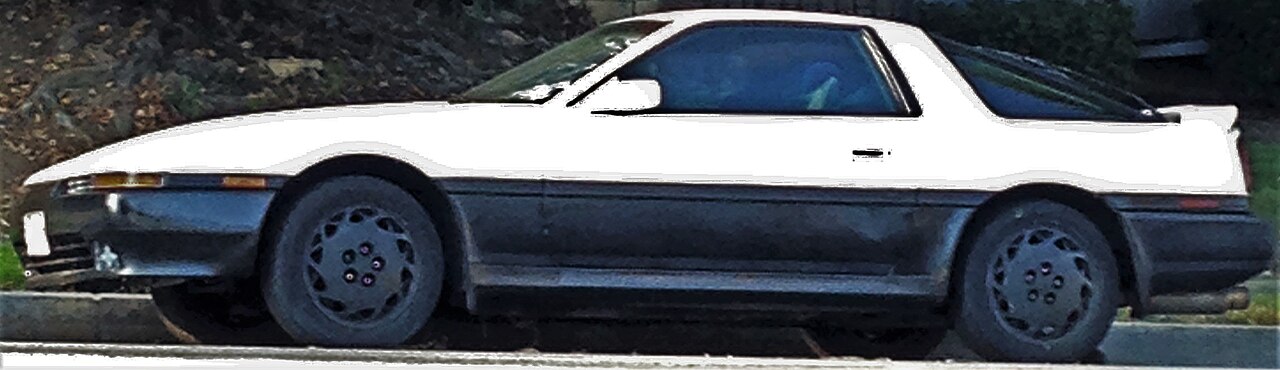
The third-generation Supra (A70, 1986-1993) marked the moment the nameplate split away from the Celica line entirely, sharing platform DNA with the Soarer instead across roughly 241,471 total units built. But almost every conversation about buying an A70 eventually comes back to one specific, well-documented issue: the turbocharged 7M-GTE’s fragile head gasket, caused by head bolts that left the factory torqued roughly 20-30 lb-ft below the correct specification. This guide explains exactly why that happened, what the real fix looks like, and — for buyers with access to the JDM market — the genuinely elegant way to sidestep the entire problem by choosing a different factory engine altogether.
📋 What You’ll Learn in This Guide
- Exactly why the 7M-GTE’s head gasket problem happened
- The warning signs and the proper fix
- Why the JDM-only 1JZ-GTE variant avoids this issue entirely
- How the naturally aspirated 7M-GE compares as a lower-risk alternative
- What actually drives A70 pricing given this well-known market factor
The Head Gasket Problem: A Factory Torque Spec Error, Not Bad Luck
The turbocharged 7M-GTE’s reputation for head gasket failure isn’t a matter of unlucky individual cars — it traces back to a genuine factory specification error. Toyota’s original torque specification for the head bolts was approximately 20-30 lb-ft too low, meaning that normal engine operation over time would eventually cause the head gasket to fail on essentially any 7M-GTE that hadn’t been corrected. This is about as close to a guaranteed, universal issue as JDM classics get, which is precisely why it dominates every serious discussion of A70 ownership.
Warning Signs and the Real Fix
Watch for water contamination in the engine oil and white smoke at the tailpipe — both are classic signs of head gasket failure in progress. The accepted proper fix involves ARP head studs torqued to the correct 85 lb-ft specification, paired with a Cometic MLS or HKS metal head gasket and a fresh cooling system, addressing the root cause rather than simply replacing a failed gasket with another one destined to fail the same way under factory torque specs.
💡 Tip
Any 7M-GTE-equipped A70 without documented proof of head gasket service — specifically evidence of ARP studs and the corrected torque procedure — carries that liability directly into the asking price. Treat undocumented head gasket history as an expense you’ll need to budget for immediately after purchase, not a risk you can reasonably gamble on.
The JDM Escape Hatch: The 1JZ-GTE JZA70
Here’s where the Japanese market offered something genuinely different: starting in 1990, the JDM-only JZA70 variant came with the twin-turbocharged 1JZ-GTE — a completely different 2.5-liter inline-six producing 278 horsepower and 268 lb-ft of torque — rather than the 7M-GTE. Because it’s an entirely different engine design, the 1JZ-GTE doesn’t carry the 7M-GTE’s specific factory torque spec problem at all. For buyers with access to JDM imports, seeking out a 1JZ-GTE JZA70 rather than a 7M-GTE example is a genuinely effective way to get A70 turbo performance without inheriting its most notorious mechanical liability.
The Naturally Aspirated Alternative
If you’d rather avoid turbo complexity entirely, the naturally aspirated 7M-GE — offered in the US at 200 horsepower and 185 lb-ft, with JDM markets also getting a naturally aspirated 2.0-liter inline-six option — doesn’t carry the same head gasket failure pattern as its turbocharged sibling. It’s a meaningfully lower-risk choice for buyers who value peace of mind over outright power, though it obviously sacrifices the performance ceiling that makes the Turbo and 1JZ-GTE variants so desirable in the first place.
⚠️ Caution
Don’t take a seller’s word that “the head gasket was done” without asking specifically how — a proper repair means ARP studs at the corrected 85 lb-ft torque spec and a genuinely appropriate gasket, not simply a stock replacement gasket reinstalled under the same under-torqued original specification that caused the failure in the first place. A repair done incorrectly will fail again on the same timeline as an untouched original.
What Drives A70 Pricing Today?
7M-GTE examples with fully documented, correctly executed head gasket service command a real premium over cars with unclear history, given how directly that documentation affects near-term reliability. JDM 1JZ-GTE JZA70 examples carry their own desirability specifically because they sidestep the issue altogether, while naturally aspirated 7M-GE cars remain the lowest-risk, most budget-friendly entry point into A70 ownership.
Frequently Asked Questions
Q: Is every single 7M-GTE guaranteed to fail if untouched?
A: The under-torqued factory specification affects essentially the entire production run, so treat any unmodified, undocumented 7M-GTE as carrying this risk rather than assuming your specific example might be an exception.
Q: Is the 1JZ-GTE JZA70 hard to find outside Japan?
A: It was never officially exported, so it’s only available through JDM import channels — a genuinely worthwhile search if you have access to import a JDM vehicle and want A70 turbo performance without the 7M-GTE’s specific liability.
Final Thoughts
The A70’s reputation is inseparable from its head gasket story, but that story has a clear, well-understood cause and a clear, well-understood fix — this isn’t a mysterious unreliability, it’s a documented factory specification error with a known correction. Verify head gasket service documentation carefully on any 7M-GTE, seriously consider a JDM 1JZ-GTE JZA70 if that’s accessible to you, and don’t dismiss the naturally aspirated 7M-GE as a legitimate lower-risk option. Get that right, and the A70 remains a genuinely underrated chapter in Supra history.
Image credit: Mk3 Toyota Supra, via Wikimedia Commons (CC BY-SA 4.0)

コメント