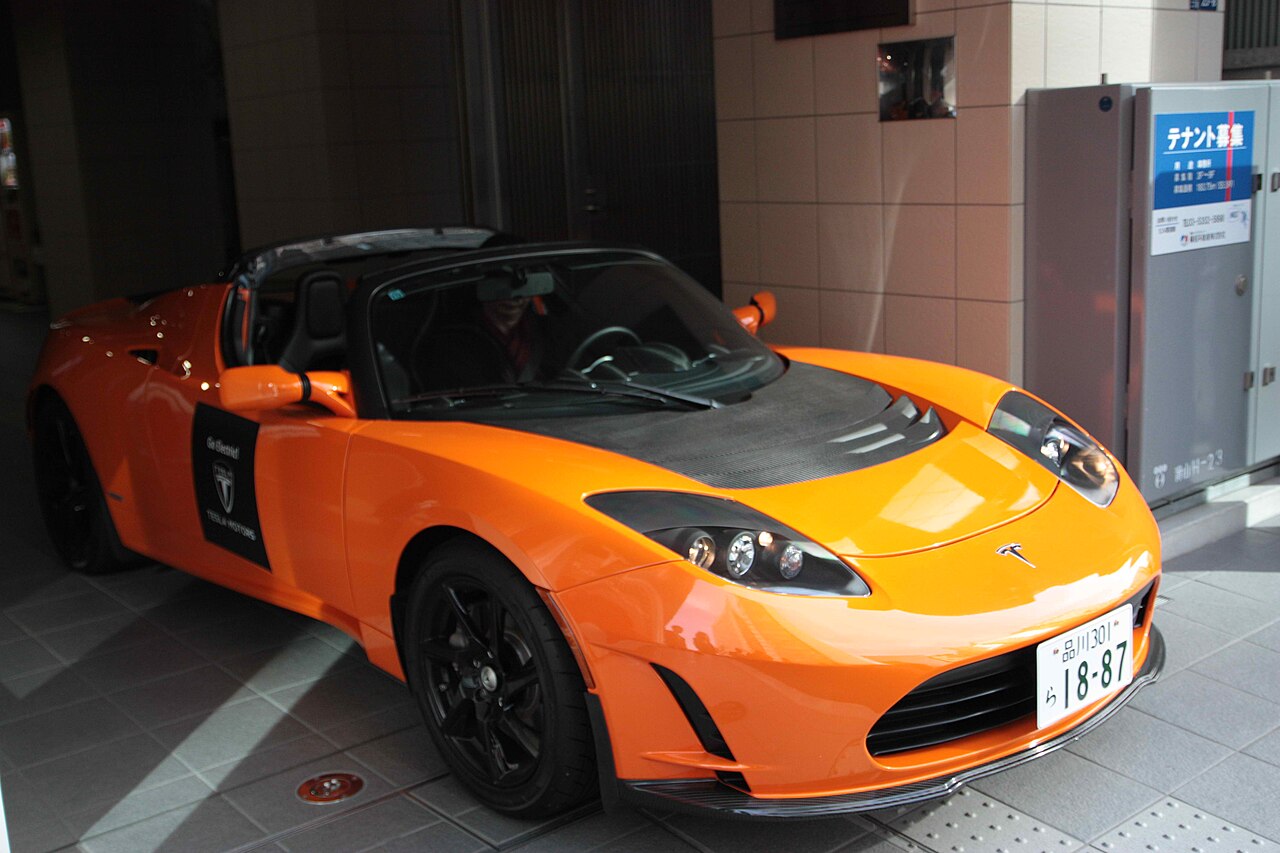
To most overseas visitors, a Japanese license plate is just a jumble of unfamiliar characters and numbers. To someone who knows how to read it, that same plate reveals a surprising amount of information: what kind of vehicle it is, roughly where it’s registered, and even whether it qualifies for Japan’s favorable kei car tax treatment. This guide breaks down exactly what each part of a Japanese license plate actually means.
📋 What You’ll Learn in This Guide
- How plate color instantly identifies vehicle category, including kei cars
- What the regional characters at the top of a plate actually indicate
- How to read the classification number and hiragana character
- Why some regions have introduced special local design plates
- What a red diagonal line across a plate signals
- Plate Color: The Fastest Way to Identify a Vehicle Category
- The Regional Character: Where the Vehicle Is Registered
- The Classification Number and Hiragana Character
- Running Out of Numbers: The Addition of Latin Letters
- The Rise of Special Local Design Plates
- The Red Diagonal Line: A Special Temporary Designation
- Diplomatic and Special-Purpose Plates
- Why This System Matters for JDM Enthusiasts Specifically
- Frequently Asked Questions
- Final Thoughts
Plate Color: The Fastest Way to Identify a Vehicle Category
Japanese license plates use a genuinely consistent color coding system that lets anyone instantly identify a vehicle’s basic category at a glance, without needing to read any of the actual characters. Standard privately owned passenger cars use green characters on a white background, while commercial vehicles — trucks, taxis, and buses used for business purposes — reverse this scheme with white characters on a green background. Kei cars, Japan’s compact, small-engine vehicle category capped at 660cc that qualifies for meaningful tax and insurance advantages, use their own distinct yellow-and-black color scheme, immediately signaling their special tax status to anyone who recognizes the pattern, including toll booth operators and parking facility staff who may apply kei-specific rates.
The Regional Character: Where the Vehicle Is Registered
Every Japanese license plate displays regional characters at the top identifying the specific issuing office where the vehicle was registered, and this designation often corresponds to a city, ward, or region rather than a full prefecture. A well-known example is “品川” (Shinagawa), a Tokyo ward whose name appears on plates registered through that specific issuing office, meaning cars registered across a wide swath of central Tokyo may all display “Shinagawa” regardless of the driver’s actual home address within that broader registration area. Understanding this regional character genuinely matters for anyone trying to guess a vehicle’s origin from its plate alone — the character indicates the registration office’s jurisdiction, not necessarily the owner’s precise home neighborhood.
💡 Tip
Certain regional plate names have become genuinely recognizable within Japanese car culture well beyond their strict administrative meaning — “Shinagawa” and “Naniwa” (Osaka) plates, for instance, carry a certain cultural cachet among enthusiasts precisely because they’re associated with Japan’s major urban centers. Recognizing a handful of these well-known regional characters can help overseas enthusiasts quickly identify roughly where a car in a photo or video was likely registered.
The Classification Number and Hiragana Character
Below the regional character, a Japanese plate displays a three-digit classification number that indicates the vehicle’s specific category (passenger car, kei car, commercial vehicle, and so on) in more granular detail than the color scheme alone conveys, followed by a single hiragana character and a four-digit serial number typically displayed as two pairs of digits separated by a hyphen. The hiragana character and serial number together function similarly to a registration plate’s individual identifying combination in other countries, distinguishing one specific vehicle from every other vehicle registered through the same regional office and classification.
Running Out of Numbers: The Addition of Latin Letters
In particularly high-demand registration regions, purely numeral-based serial number combinations have reportedly become exhausted over time, prompting Japan to introduce a limited set of Latin alphabet letters into part of the numbering sequence to expand the available combinations. The specific permitted letters are restricted to a defined set (including characters like A, C, F, H, K, L, M, P, X, and Y) rather than the full alphabet, a detail that reflects a deliberate, carefully managed expansion of the numbering system rather than an open-ended change to the plate format.
⚠️ Caution
Don’t assume Japan’s license plate color and character conventions are universal or unchanging — specific plate formats, available regional designations, and special design programs are subject to ongoing administrative changes, and the exact current rules should be confirmed against official Japanese vehicle registration sources (or a qualified import/export professional) rather than assumed from general descriptions, particularly if the details matter for an actual vehicle registration or import situation.
The Rise of Special Local Design Plates
Beyond the standard regional character system, Japan has introduced special local design plates in various regions, featuring colorful background artwork depicting local landmarks, scenery, or cultural symbols alongside the standard plate information. These special design plates represent a genuinely more recent development in Japan’s plate system, reflecting a broader trend toward allowing vehicle owners some degree of regional pride or personal expression within an otherwise highly standardized and centrally regulated plate format.
The Red Diagonal Line: A Special Temporary Designation
A standard white plate displaying a red diagonal line across it carries a specific special meaning within the Japanese system: it indicates the vehicle has been previously deregistered, or that the vehicle’s mandatory Japan Compulsory Insurance coverage has lapsed, rather than functioning as an ordinary active registration plate. Recognizing this specific red-line designation is genuinely useful for understanding that not every plate on a Japanese road represents a normally registered, currently insured vehicle in ordinary active use.
Diplomatic and Special-Purpose Plates
Beyond the standard passenger, commercial, and kei car color schemes, Japan maintains additional distinct plate designs for special vehicle categories, including diplomatic vehicles, which use their own recognizable format to signal diplomatic status to law enforcement and other officials. These special-purpose plate categories exist alongside the standard system covered above precisely because certain vehicle categories carry legal considerations, such as diplomatic immunity provisions, that the ordinary passenger and commercial plate categories aren’t designed to convey, making a visually distinct plate format a practical necessity for these specific cases.
Why This System Matters for JDM Enthusiasts Specifically
For overseas JDM enthusiasts, understanding Japan’s plate system goes beyond simple curiosity — plates visible in period photographs, video footage, and imported vehicles themselves can offer genuine clues about a car’s registration history, helping enthusiasts and researchers piece together provenance details for classic or notable vehicles. A vehicle photographed decades ago wearing a specific regional plate character, for instance, offers a small but genuine data point about where that car was likely based at the time, information that can matter to collectors and historians trying to trace a specific notable vehicle’s history through old photographs and media.
Frequently Asked Questions
Q: Can a car owner in Japan choose their own specific plate number or combination?
A: Japan does offer certain personalized or preferred number plate options through official application processes, though the specific rules, available options, and any associated fees for this kind of customization should be confirmed through current official Japanese vehicle registration information rather than assumed from general plate format knowledge alone.
Q: Do exported JDM vehicles keep their original Japanese plates?
A: Vehicles exported from Japan are generally deregistered from the Japanese system as part of the export process and require new registration and plates in their destination country according to that country’s own vehicle registration requirements, so an exported JDM car typically won’t retain its original Japanese plate for road use abroad.
Q: Why do some Japanese plates seem to have unusually short or simple-looking serial numbers?
A: Lower or simpler-looking serial number combinations can sometimes reflect either an earlier registration date within that specific numbering sequence or, in some cases, a deliberately requested preferred number, though without additional registration details it’s generally not possible to determine the specific reason from the plate’s appearance alone.
Does the classification number reveal a car’s specific model or engine size?
A: The classification number narrows a vehicle down to a broad category (such as kei car versus standard passenger car, or passenger versus commercial use) rather than identifying its specific make, model, or exact engine displacement, so while it offers useful category-level information, it isn’t a substitute for the vehicle’s actual registration documents when precise technical details are needed.
Final Thoughts
Japan’s license plate system packs a genuinely surprising amount of practical information into a small, highly standardized format — vehicle category by color, registration region by character, and a unique identifying combination by classification number and serial code. For overseas JDM enthusiasts and visitors alike, learning to read even the basics of this system turns an unfamiliar jumble of characters into a genuinely useful window into how Japan organizes and categorizes its vehicles on the road. That small rectangle of colored steel and characters, easy to overlook at a glance, turns out to be a genuinely dense and logically organized piece of everyday Japanese infrastructure once you know how to read it.
Image credit: Tesla Roadster Sport with Shinagawa license plate by Norio Nakayama (CC BY-SA 2.0), via Wikimedia Commons

コメント