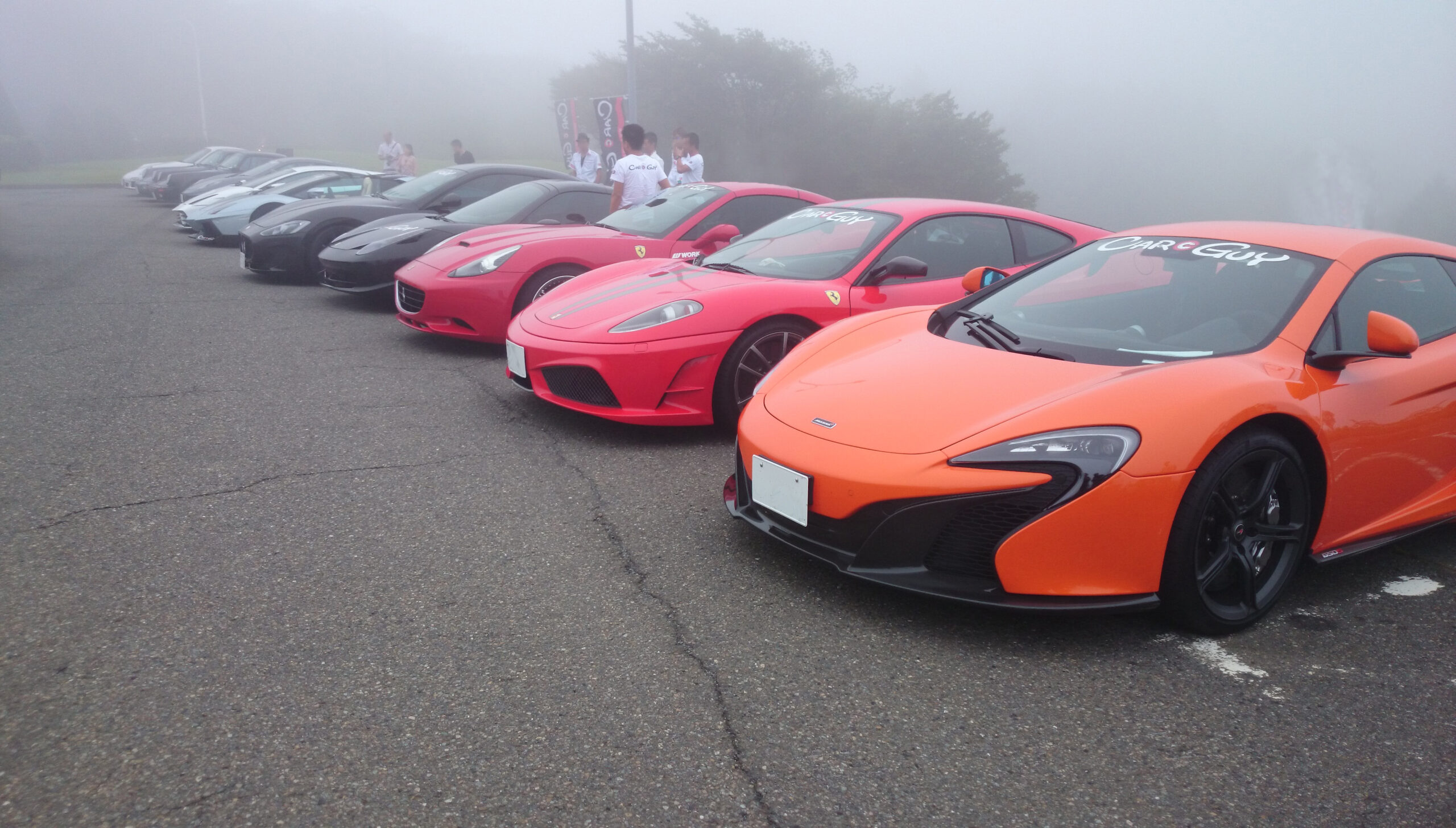
Japan’s mountainous geography, combined with a culture that takes road engineering and maintenance seriously, has produced some of the world’s most celebrated driving roads — routes that have shaped decades of Japanese automotive media, from tuning magazines to the “Initial D” and “MF Ghost” franchises that introduced touge culture to audiences well beyond Japan’s borders. For overseas enthusiasts visiting the country, driving these roads yourself, whether in a rental car or a JDM sports car booked through a specialist tour operator, offers a genuinely different way to connect with car culture than museums or shows. This guide covers the most celebrated routes around Hakone and Mount Fuji, and the etiquette that governs how Japanese drivers actually use them.
📋 What You’ll Learn in This Guide
- What makes the Hakone Turnpike so celebrated among driving enthusiasts
- How the Ashinoko-Hakone Skyline and Izu Skyline differ from the Turnpike
- Practical toll and access information for the Hakone circuit
- Mountain pass (touge) driving etiquette specific to Japan
- Options for renting JDM sports cars specifically for these routes
- Hakone Turnpike: The Pilgrimage Road
- Ashinoko-Hakone Skyline: A Different Kind of Scenery
- The Izu Peninsula and Izu Skyline
- Touge Culture and Mountain Pass Etiquette
- Photography and Viewpoints Along the Route
- Planning Fuel Stops and Timing
- Renting JDM Sports Cars for the Experience
- Frequently Asked Questions
- Final Thoughts
Hakone Turnpike: The Pilgrimage Road
Officially renamed the Anest Iwata Turnpike Hakone after a corporate sponsorship deal but still universally referred to by enthusiasts simply as “the Turnpike,” this privately operated toll road climbs from Odawara up to Daikanyama Pass at just over 1,000 meters elevation. Its combination of sweeping, well-maintained curves and genuinely spectacular views over Sagami Bay and Mount Fuji has made it a fixture of Japanese automotive media for decades, and it remains something close to a pilgrimage site for driving enthusiasts both domestic and international. Standard vehicle tolls run in the range of a few hundred to under a thousand yen depending on the exact route and connector road used, and while cash remains widely accepted at the toll gates, ETC electronic toll collection is increasingly supported as well.
💡 Tip
Weekdays in mid-April, late May, or mid-October tend to offer the best combination of favorable weather, good visibility for the Mount Fuji views, and manageable traffic compared to weekends and peak holiday periods, when the Turnpike and surrounding roads can become genuinely crowded with both tourists and enthusiast drivers.
Ashinoko-Hakone Skyline: A Different Kind of Scenery
Running along the western ridge of the Hakone Caldera — itself the product of volcanic activity hundreds of thousands of years ago — the Ashinoko-Hakone Skyline offers a genuinely different driving character than the Turnpike, with viewpoints delivering sweeping vistas of Mount Fuji, Mount Komagatake, and Lake Ashinoko from a higher, more exposed ridge line. Combined with the Turnpike, Route 1 over the Hakone Pass, and sections of the Izu Skyline further south, these roads together form what enthusiasts often refer to as the broader “Hakone circuit” — a collection of routes that can be combined into a full day of driving covering genuinely varied terrain and scenery within a relatively compact geographic area.
The Izu Peninsula and Izu Skyline
South of Hakone, the Izu Peninsula offers its own celebrated driving routes, including the Izu Skyline toll road running through Shizuoka Prefecture with continued views of Mount Fuji, and the coastal highway that traces the peninsula’s edge past Shimoda and other small port towns. This coastal stretch offers a meaningfully different character from the mountain passes further north — more relaxed, ocean-facing driving rather than tight technical switchbacks — making it a good complement if you’re planning a multi-day trip through the broader region rather than a single focused day of mountain driving.
Touge Culture and Mountain Pass Etiquette
The word “touge” (峠) simply means mountain pass in Japanese, but it’s come to represent an entire driving culture built around navigating tight, technical switchback roads with precision and control — a tradition that predates and heavily influenced the drift culture covered elsewhere in this guide series. Understanding Japan’s specific touge etiquette matters if you plan to drive these roads yourself, particularly outside a guided tour context. On narrow, one-lane mountain sections, the vehicle traveling uphill traditionally has right of way, with descending traffic expected to reverse to the nearest passing point to let uphill traffic through. More broadly, Japanese touge culture places real emphasis on mutual respect between drivers — regular traffic moving aside courteously for faster enthusiast drivers is a commonly observed norm, though this should never be assumed or demanded as an entitlement, especially from a visiting driver unfamiliar with local conventions.
⚠️ Caution
Long, steep downhill sections on roads like the Hakone Turnpike can genuinely overheat your brakes if you rely on the brake pedal alone throughout a sustained descent — use engine braking (downshifting through the gears) to manage your speed on long downhill stretches, particularly if you’re driving a rental car whose braking characteristics and pad condition you’re not already familiar with. Brake fade on an unfamiliar mountain road is a real safety risk, not just a performance inconvenience.
Photography and Viewpoints Along the Route
Beyond the driving experience itself, the Hakone and Izu region’s combination of elevation, coastline, and Mount Fuji sightlines makes it one of Japan’s most photographed driving destinations, and most of the major routes include designated pull-off points or parking areas specifically positioned to take advantage of the best views. Exercise real caution when stopping for photos on narrower sections of road, particularly on the Turnpike and Skyline routes where shoulders can be limited and traffic — including other enthusiast drivers who may be driving with more urgency than typical tourist traffic — moves quickly. Using designated viewpoints and parking areas rather than stopping on the road itself isn’t just more considerate to other drivers, it’s meaningfully safer given the terrain and traffic mix you’ll encounter.
Planning Fuel Stops and Timing
The Hakone and Izu region’s mountainous terrain means fuel stations aren’t always as conveniently distributed as they would be in flatter, more urban parts of Japan, so it’s worth planning your route with fuel availability in mind rather than assuming you can simply find a station whenever convenient. Similarly, because several of the toll roads and connecting routes in this guide operate on fixed hours rather than being open around the clock, confirm current operating hours for whichever specific segments you’re planning to drive before setting out, particularly if you’re hoping to catch sunrise or sunset lighting for photography, since some sections may not be accessible outside their normal operating windows.
Renting JDM Sports Cars for the Experience
For overseas visitors without access to their own car in Japan, several specialist operators near Hakone offer guided or self-drive rental experiences specifically built around these roads, with fleets that can include genuine JDM icons like the Nissan GT-R, Mazda RX-7, and Toyota GR Supra covered elsewhere in this guide series. These packages typically bundle the vehicle rental, fuel, tolls, and insurance into a single booking, and guided options can be particularly valuable for first-time visitors unfamiliar with the specific routes, local etiquette, and where to find the best photo opportunities along the way. Given the popularity of these tours, especially among fans specifically drawn by Initial D and MF Ghost’s portrayal of this exact region, booking well in advance of your trip is generally advisable rather than expecting to arrange something on short notice once you’ve already arrived.
Frequently Asked Questions
Q: Do I need an International Driving Permit to drive these roads myself?
A: Requirements vary by your home country and the specific rental agreement — this is covered in more detail in our dedicated guide to getting a Japanese driver’s license and IDP requirements, but confirm your specific situation with your rental provider before your trip regardless.
Q: Is it legal and acceptable to drive these roads quickly, or should I stick to posted speed limits strictly?
A: Posted speed limits are legally binding and enforced, and treating touge culture’s “spirited driving” reputation as license to ignore posted limits is both illegal and a common source of friction between enthusiast communities and local residents. Drive to conditions, respect posted limits, and remember that these are public roads shared with local traffic, not a closed circuit.
Q: What’s the best time of year to visit for Mount Fuji visibility specifically?
A: Visibility varies significantly with weather and season, and Mount Fuji is notoriously prone to being obscured by cloud cover even on otherwise clear days — no guide can promise a specific visit date will deliver clear views, so build some flexibility into your itinerary if a clear Fuji view is a priority.
Final Thoughts
The Hakone and Izu region offers some of the most genuinely rewarding driving roads in the world, backed by decades of automotive culture and media that have made routes like the Turnpike into something close to sacred ground for enthusiasts. Respect local etiquette, drive within your limits and the posted laws, and consider a guided rental experience if you want access to genuine JDM machinery without navigating the logistics entirely on your own. Done right, a day on these roads is one of the most memorable experiences available to any car enthusiast visiting Japan — the kind of trip that turns years of watching Initial D or admiring JDM cars from afar into something you’ve genuinely experienced firsthand, behind the wheel, on the actual roads that inspired it all.
Image credit: Hakone Turnpike sports car event by PekePON (CC BY-SA 4.0), via Wikimedia Commons

コメント