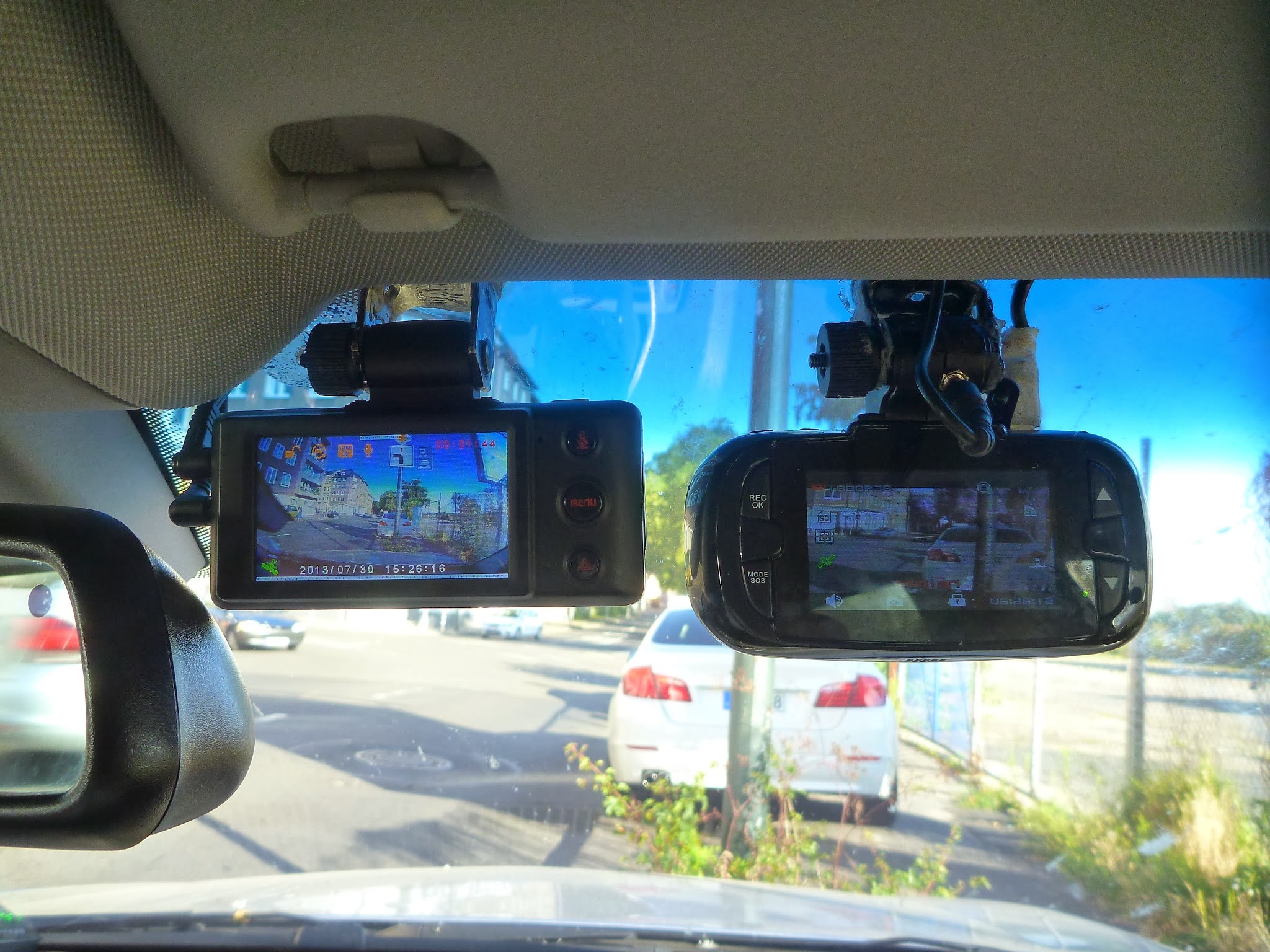
Rent a car in Japan, sit in a taxi, or simply glance into the parked cars along nearly any Japanese street, and you’ll notice something that stands out to most first-time visitors: almost every vehicle has a small camera mounted near the rearview mirror, quietly recording. Dashcams — called “drive recorders” (doraibu rekōdā) in Japan — have gone from a niche accessory to something close to a default expectation for Japanese drivers, in a way that hasn’t happened nearly as uniformly in most other countries. This guide explains how that happened, and what it means for anyone driving in Japan today.
📋 What You’ll Learn in This Guide
- The specific incident that triggered Japan’s dashcam boom
- Why insurance and dispute culture reinforce dashcam use
- How commercial fleets use dashcams differently than private drivers
- What this means if you’re renting a car in Japan
- What to consider if you’re buying your own dashcam locally
- The Incident That Changed Everything
- Why the Habit Stuck: Evidence Culture and Insurance
- Commercial and Fleet Adoption
- What This Means If You’re Renting a Car in Japan
- Buying Your Own Dashcam in Japan
- How Japanese Dashcam Technology Has Evolved
- Frequently Asked Questions
- How Japan Compares Internationally
- Final Thoughts
The Incident That Changed Everything
Japan’s dashcam boom has a surprisingly specific origin point. In August 2017, a driver on the Joban Expressway in Ibaraki Prefecture deliberately forced another car to stop by repeatedly cutting in front of it and braking, then got out and confronted the other driver on the shoulder of a busy expressway — at which point a truck plowed into the stopped vehicle, killing the couple inside. The incident, and the extensive news coverage of the trial that followed (the driver was ultimately sentenced to 18 years in prison), turned “aori unten” (tailgating or road-rage driving) into a genuine national talking point almost overnight, and pushed lawmakers to pass specific legislation criminalizing dangerous tailgating behavior that hadn’t previously been clearly covered under existing dangerous driving laws.
The practical effect on ordinary drivers was immediate and lasting: dashcam sales spiked dramatically in the months following the incident, as drivers who had never previously considered one decided they wanted objective video evidence available in case they were ever targeted by a similarly aggressive driver, or needed to prove exactly what happened in any kind of road dispute. Unlike a slow, gradual adoption curve, Japan’s dashcam market saw a genuinely sudden step-change tied to this one widely covered case.
Why the Habit Stuck: Evidence Culture and Insurance
What turned a single incident into lasting, near-universal adoption is a combination of cultural and practical factors that reinforce each other. Japan has a strong general preference for objective, documented evidence in resolving disputes rather than relying on competing verbal accounts, and a dashcam recording removes ambiguity almost entirely in the event of a minor fender-bender, an insurance dispute, or a confrontation with another driver. Japanese insurers have also increasingly recognized this value: having dashcam footage available can meaningfully speed up and simplify the claims process after an accident, since fault determination in Japan (as in most countries) often comes down to competing accounts of exactly what happened in the seconds before impact, and video evidence tends to settle these disputes quickly and definitively rather than leaving them to negotiation.
💡 Tip
If you’re ever involved in even a minor accident while driving in Japan, don’t just exchange information and move on — if your vehicle has a dashcam (which is genuinely likely if you’re driving a rental), make sure the footage is preserved and available for your insurance claim. Many Japanese drivers involved in disputes will readily share relevant dashcam footage as a normal part of sorting out what happened, precisely because the culture around this technology treats it as a neutral, trusted record rather than something unusual to request.
Commercial and Fleet Adoption
Beyond private drivers, dashcams are essentially standard equipment across Japan’s commercial vehicle fleets. Taxi companies, rental car operators, and trucking and delivery fleets widely deploy dashcams (often paired with driver-facing cameras and increasingly AI-assisted monitoring systems) both to protect the company in the event of accident disputes and to monitor and improve driver behavior over time. Police vehicles carry them as a matter of course as well. This fleet-level saturation reinforces the broader cultural norm — if you’re a private driver and virtually every taxi, delivery van, and truck around you already has one, adding your own starts to feel less like an optional accessory and more like basic common sense.
What This Means If You’re Renting a Car in Japan
If you rent a car in Japan as a visitor, there’s a very good chance it already has a dashcam installed, since most major rental agencies have adopted them as standard equipment across much of their fleet, partly for the same claims-simplification reasons that drive private ownership. This is generally good news for you as a renter: if you’re involved in any kind of incident, however minor, the rental car’s dashcam footage can help establish exactly what happened and protect you from being unfairly blamed for something that wasn’t your fault. It’s worth knowing this equipment is likely present, though you generally don’t need to do anything special to activate or manage it — most rental dashcams run automatically and continuously whenever the vehicle is on.
Buying Your Own Dashcam in Japan
If you’re a longer-term resident considering buying your own dashcam, Japan’s electronics retailers (Yodobashi Camera, Bic Camera, and similar chains) carry an extensive range, from basic single-channel front-facing units to sophisticated front-and-rear systems with parking-mode monitoring that continues recording (using a separate battery or hardwired connection) even while the car is parked and turned off — a feature that’s genuinely useful in Japan given how common hit-and-run parking lot dings and disputes over exactly who caused them can be. Prices range widely, from budget units well under ¥10,000 to more sophisticated systems running several times that, with clearer image quality, GPS logging, and better low-light performance generally justifying the higher price point for anyone who wants to rely on the footage as serious evidence rather than just a casual record.
⚠️ Caution
If you install your own dashcam in Japan, be mindful that recordings can capture identifiable footage of people and license plates in public. While dashcam footage is broadly accepted as evidence in disputes and by police, publicly posting footage online (a genuinely common practice on Japanese video platforms) that clearly identifies other drivers involved in minor incidents can raise its own separate privacy concerns — treat footage as something you keep for your own records and insurance purposes first, rather than assuming it’s automatically fine to share publicly.
How Japanese Dashcam Technology Has Evolved
The dashcam category itself has matured considerably since the 2017 sales surge. Early units were often single-purpose, low-resolution front-facing cameras with relatively basic recording loops, but the current generation of Japanese dashcams commonly includes simultaneous front-and-rear recording (useful for the not-uncommon scenario of being rear-ended in stop-and-go traffic), integrated GPS logging that timestamps and geo-tags footage automatically, and increasingly, basic AI-assisted features like automatic incident detection that flags and preserves footage around a sudden impact or hard braking event, so the relevant clip doesn’t get overwritten by the normal recording loop before you have a chance to save it. Commercial fleet systems have pushed this further still, with some taxi and delivery operators now using dashcams paired with driver-monitoring cameras and basic driving-behavior analytics, reflecting the same broader shift toward data-driven fleet management showing up in transportation industries elsewhere in the world.
Frequently Asked Questions
Q: Is having a dashcam legally required in Japan?
A: No, there’s no legal requirement to have a dashcam installed in a private vehicle in Japan. Its near-universal presence is a matter of strong cultural and practical adoption rather than any legal mandate.
Q: Do dashcams affect insurance premiums in Japan?
A: Some Japanese insurers offer modest discounts or preferential handling for policyholders with dashcams installed, reflecting the reduced dispute-resolution costs the footage provides, though this varies by insurer and isn’t universal — it’s worth asking your specific insurance provider directly.
Q: Can dashcam footage be used as evidence in a Japanese court?
A: Yes, dashcam footage is regularly accepted and used as evidence in both criminal and civil proceedings in Japan, including in the high-profile 2017 road rage case that helped popularize the technology in the first place.
How Japan Compares Internationally
Japan is often cited alongside South Korea and Russia as one of the countries with the highest dashcam adoption rates in the world, though each market got there through a somewhat different path. Russia’s dashcam culture grew heavily out of insurance fraud concerns and unpredictable road conditions, while South Korea’s adoption reflects some of the same evidence-and-dispute-resolution dynamics seen in Japan. By contrast, dashcam adoption in North America and much of Western Europe, while growing steadily, has generally remained more of an enthusiast or safety-conscious-driver choice rather than something approaching a cultural default. Visitors arriving in Japan from markets where dashcams remain relatively uncommon are often surprised by just how normalized the technology has become — it’s less a gadget and more simply part of how a modern Japanese vehicle is expected to be equipped.
Final Thoughts
Japan’s near-universal dashcam adoption is a genuinely interesting case study in how a single, widely publicized incident can permanently shift a country’s default behavior, reinforced afterward by a broader cultural preference for objective evidence and practical insurance incentives that kept the habit sticking long after the initial news cycle faded. Whether you’re renting a car as a visitor or settling in as a longer-term resident, it’s worth understanding this context — not just because you’ll likely be driving a car equipped with one, but because it says something real about how Japanese drivers think about accountability, evidence, and resolving disputes on the road.

コメント