📋 Summary
- Urban Japan’s exceptional train and subway networks make car ownership genuinely optional, even burdensome, for many city residents, while rural areas with infrequent or nonexistent public transit make car ownership a practical necessity rather than a lifestyle choice
- Shako shomei, Japan’s formal parking certificate requirement, mandates proof of a legal off-street parking space within a 2-kilometer straight-line radius of a registered address before a car can be plated, though kei cars in many rural areas are commonly exempted from this requirement given ample local space availability
- Kei cars are disproportionately common in rural Japan, reflecting genuine financial necessity, lower taxes, insurance, and fuel costs, combined with genuinely narrower rural roads that favor smaller vehicles practically
- These differences matter for anyone driving in Japan, whether as a visitor or a new import owner, since assumptions that work in Tokyo can genuinely fail to apply once you’re driving through rural areas, and vice versa
Japan’s reputation as a country with world-class public transportation is genuinely well earned in its major cities, but that reputation obscures a considerably different reality once you leave urban centers. Understanding how dramatically car ownership necessity, regulatory requirements, and practical driving conditions actually differ between Japan’s cities and its rural regions matters for anyone planning to drive there, whether as a visitor or a JDM import owner.
- Urban Japan: Where Car Ownership Is Genuinely Optional
- Rural Japan: Where a Car Is a Genuine Necessity
- Why Kei Cars Dominate Rural Japan Specifically
- What This Means for Visitors and Import Owners
- An Aging Rural Population and the Driving Dependency Question
- How This Divide Shapes JDM Enthusiast Culture Geographically
- Frequently Asked Questions
Urban Japan: Where Car Ownership Is Genuinely Optional
In major urban centers like Tokyo, Osaka, and Yokohama, train and subway networks run with genuinely remarkable frequency and coverage, with stations positioned densely enough that car ownership becomes a genuine burden rather than a convenience for many residents, compounded by high parking costs and often significant traffic congestion. This urban reality has shaped a meaningfully different relationship with car ownership in Japan’s cities compared to many other developed countries, where even dense urban centers often still assume car ownership as a practical default.
Rural Japan: Where a Car Is a Genuine Necessity
The picture changes dramatically once you move beyond major urban centers. In many rural areas, including parts of Saitama, Gifu, and much of Hokkaido, trains and buses run considerably less frequently, sometimes stopping service entirely by early evening, making independent car ownership essential rather than optional for accessing work, services, and daily necessities. This reality is particularly stark on Japan’s more sparsely populated islands and regions, including much of Hokkaido and Okinawa, where the practical absence of comprehensive rail infrastructure makes personal vehicle ownership genuinely unavoidable for most residents rather than a lifestyle preference.
💡 Tip: Understand Shako Shomei’s Urban-Rural Exemption Pattern
Japan’s shako shomei, formally the Jidosha Hokanbasho Shomeisho, or Certificate of Motor Vehicle Storage Location, is a genuine regulatory requirement mandating proof of a legal off-street parking space, generally within a 2-kilometer straight-line radius of the owner’s registered address, before a vehicle can receive license plates at all. This requirement, however, is applied meaningfully differently depending on location: kei cars in many rural areas are commonly exempted from this certificate requirement, reflecting the genuinely ample parking space typically available in less densely populated regions, while urban areas, including central Tokyo, generally require the certificate even for kei cars given genuinely limited local parking availability. Understanding this distinction matters directly for anyone planning to register a vehicle in Japan, since the exact process can differ meaningfully depending on where you’re actually registering the car.
Why Kei Cars Dominate Rural Japan Specifically
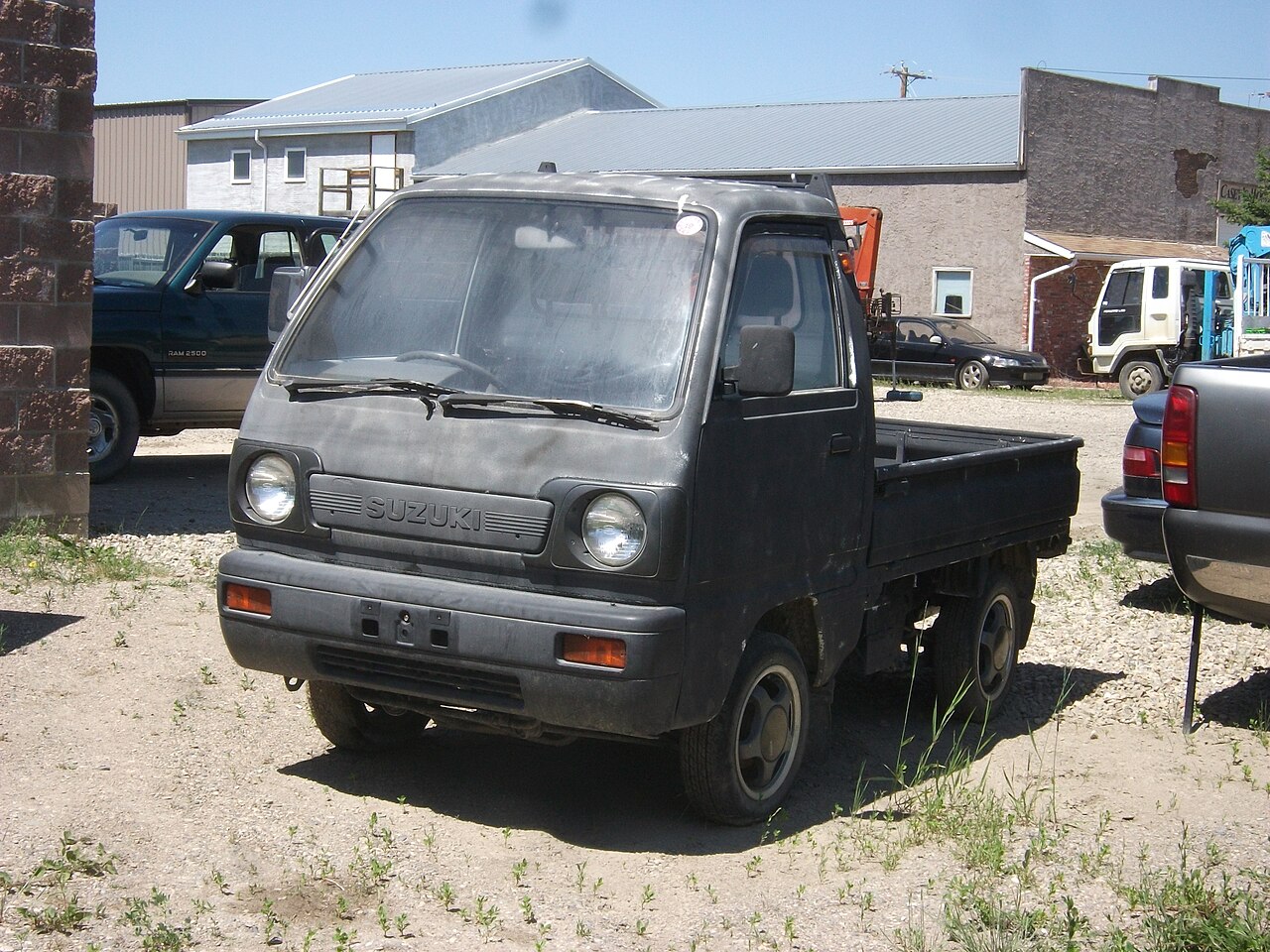
Kei cars, Japan’s lightweight vehicle class with engines up to 660cc, are disproportionately common in rural areas for genuinely practical reasons beyond simple preference. Most kei car owners choose this category primarily out of financial necessity, since kei cars carry meaningfully lower taxes, reduced insurance costs, and better fuel efficiency compared to standard-class vehicles, cost advantages that matter considerably more in rural areas where household incomes may be lower and driving distances, and therefore fuel consumption, tend to be greater than in compact urban settings.
Beyond pure cost, kei cars’ genuinely compact dimensions offer real practical advantages on rural Japan’s often considerably narrower roads compared to urban thoroughfares, making them meaningfully easier to maneuver on tight rural routes, including in regional taxi and micro-transit fleets increasingly relying on kei-class or similarly compact vehicles specifically for their maneuverability advantage on Japan’s narrowest roads.
⚠️ Caution: Don’t Assume Rural Roads Match Urban Road Standards
Drivers accustomed to Japan’s well-maintained, clearly marked urban roads should approach rural driving with genuinely different expectations. Rural roads can be considerably narrower, sometimes barely accommodating two-way traffic without careful maneuvering, with less consistent signage and, in mountainous or coastal regions particularly, genuinely challenging terrain including sharp curves and limited visibility. Visitors and new import owners specifically planning rural driving in Japan should research their specific route in advance and drive with appropriately increased caution, rather than assuming rural roads will match the consistent standards found in major urban centers.
What This Means for Visitors and Import Owners
For anyone driving in Japan, whether visiting temporarily or newly registering an imported JDM vehicle, understanding this urban-rural divide has genuine practical value. A rental car strategy or general driving approach that works well in central Tokyo, relying heavily on trains and using a car only occasionally, translates poorly to a trip focused on rural exploration, where a vehicle becomes essential rather than supplementary. Conversely, someone planning to register and use a car primarily within a major city should research urban-specific requirements, including shako shomei and realistic parking costs, carefully before assuming rural-area norms will apply to their situation.
An Aging Rural Population and the Driving Dependency Question
Japan’s rural car dependency intersects with a genuinely significant demographic reality: the country’s rural regions skew considerably older on average than its urban centers, and this combination raises real questions about mobility and wellbeing for elderly residents in areas where driving remains essential but where age-related factors can eventually make continued driving more difficult or unsafe. Academic research specifically examining rural Japanese populations has explored connections between driving capability, geographic isolation, and mental health outcomes among elderly residents, reflecting genuine policy concern about how rural Japan will manage mobility needs as its population continues aging in regions where alternatives to personal driving remain genuinely limited.
This dynamic has contributed to growing interest in alternative rural mobility solutions, including the compact micro-taxi and micro-transit initiatives mentioned earlier, specifically designed to help address rural mobility gaps for residents who may eventually need alternatives to continued personal driving, though comprehensive solutions to this genuinely complex demographic and infrastructure challenge remain an active area of policy discussion rather than a fully resolved issue.
How This Divide Shapes JDM Enthusiast Culture Geographically
This urban-rural divide also maps onto JDM enthusiast culture in a genuinely interesting way worth understanding. Much of the organized meet, show, and dealer-centered car culture discussed elsewhere in this series, Tokyo Auto Salon, major dealer networks, and organized urban car meets, naturally concentrates in Japan’s dense urban centers, where the population density and infrastructure to support these activities exists. Meanwhile, genuinely iconic touge, or mountain pass, driving routes, along with more rural-feeling driving culture generally, naturally locate in less densely populated regions where winding mountain roads and lighter traffic actually exist in the first place.
Understanding this geographic split helps explain why a comprehensive JDM culture experience in Japan often benefits from combining both urban and rural elements, urban areas for meets, shows, and dealer access, and rural areas for the genuinely iconic driving roads and scenery that shaped so much of JDM culture’s romantic appeal in the first place, rather than assuming either environment alone fully represents the complete picture of Japanese car culture.
Frequently Asked Questions
Q: Is a car necessary for visiting Japan’s major cities?
A: Generally not. Urban centers like Tokyo, Osaka, and Yokohama have extensive, frequent train and subway networks that make car ownership genuinely optional and often burdensome given parking costs and traffic.
Q: What is shako shomei?
A: Japan’s formal parking certificate requirement, mandating proof of a legal off-street parking space within roughly a 2-kilometer straight-line radius of the owner’s registered address before a vehicle can be plated.
Q: Are kei cars exempt from shako shomei everywhere in Japan?
A: Not universally. Many rural areas commonly exempt kei cars from this requirement given ample local parking space, but urban areas, including central Tokyo, generally still require it even for kei cars.
Q: Why are kei cars so common in rural Japan specifically?
A: Primarily financial necessity, given lower taxes, insurance, and fuel costs, combined with genuine practical advantages maneuvering on rural Japan’s often narrower roads compared to urban routes.
Q: Should I expect rural Japanese roads to match urban road standards?
A: No. Rural roads can be considerably narrower with less consistent signage and more challenging terrain, particularly in mountainous or coastal regions, warranting increased driving caution.
This article is for general informational purposes and reflects commonly cited information about driving conditions and vehicle regulations in Japan. Specific requirements vary by municipality and change over time – always verify current details with official local authorities.
Image credit: Suzuki Carry kei truck by dave_7, CC BY 2.0, via Wikimedia Commons
コメント