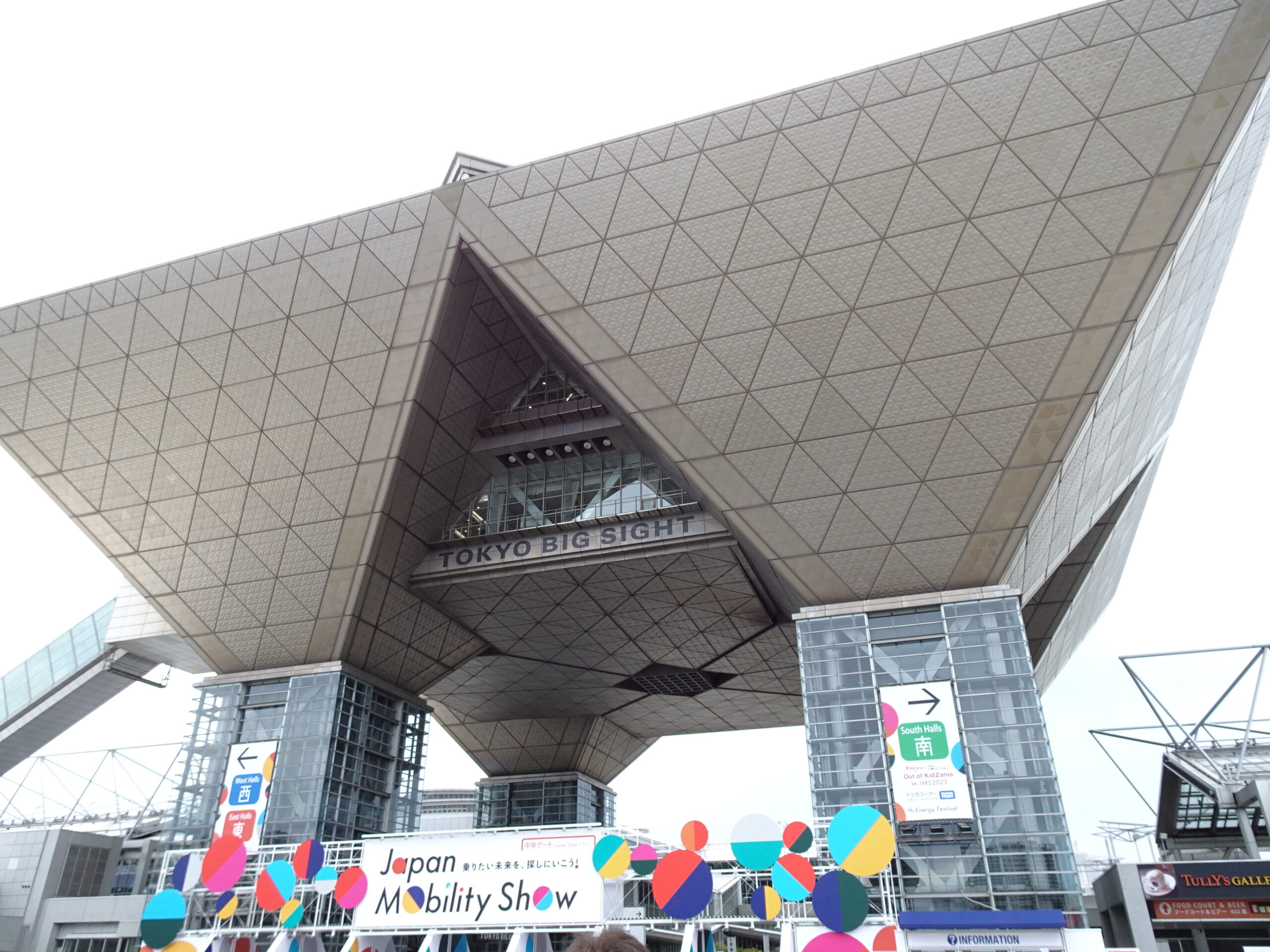
If your image of a major auto show is rows of production cars with minor trim updates, the Japan Mobility Show will likely surprise you. Formerly known as the Tokyo Motor Show and rebranded in 2023, this biennial event held at Tokyo Big Sight has evolved into something considerably broader than a traditional car show — a “co-creation platform,” in the organizers’ own language, that brings together automakers, mobility startups, and technology companies to showcase where transportation is heading rather than simply what’s currently for sale. For overseas visitors interested in Japan’s automotive industry, it offers a genuinely different experience than the classic car shows and racing events covered elsewhere in this guide series.
📋 What You’ll Learn in This Guide
- The show’s history and why it rebranded from Tokyo Motor Show to Japan Mobility Show
- Why concept cars outnumber production vehicles on the show floor
- What hands-on experiences and demonstrations to expect
- How to get to Tokyo Big Sight and plan your visit
- How this event differs from the classic car and tuning shows covered elsewhere in this guide series
- From Tokyo Motor Show to Japan Mobility Show: A Deliberate Reinvention
- Concept Cars: The Real Draw
- Hands-On Experiences Beyond Just Looking
- A Historical Launchpad for JDM Icons
- Exhibitor Diversity Since the Rebrand
- Getting to Tokyo Big Sight
- How the Japan Mobility Show Compares to Other Japanese Car Events
- Frequently Asked Questions
- Final Thoughts
From Tokyo Motor Show to Japan Mobility Show: A Deliberate Reinvention
The show’s history stretches back to 1954, when it launched as the All Japan Motor Show — an event dominated in its earliest years by commercial vehicles rather than passenger cars. It became a biennial event starting in the 1970s, following the disruption of the international energy crisis, and has changed venues twice over the decades: relocating to Makuhari Messe in 1989 before settling into its current home at Tokyo Big Sight in 2011. The 2023 rebranding from Tokyo Motor Show to Japan Mobility Show wasn’t merely cosmetic — it reflected a deliberate expansion of the event’s scope beyond traditional automakers to include mobility startups, robotics companies, and technology firms working on transportation-adjacent innovation, positioning the show as a broader showcase of how Japan’s mobility industry as a whole is evolving rather than a pure car show in the traditional sense.
💡 Tip
Don’t go into the Japan Mobility Show expecting an experience identical to the Tokyo Auto Salon covered elsewhere in this guide series — Auto Salon focuses on tuning and aftermarket customization of existing production cars, while the Japan Mobility Show is fundamentally about where the industry is headed next, with a much heavier emphasis on unreleased concepts, prototypes, and forward-looking technology demonstrations from both established manufacturers and newer mobility companies.
Concept Cars: The Real Draw
One of the show’s most distinctive characteristics is that visitors typically encounter more concept cars and prototypes than actual production models available for purchase — many of these concepts make their world debut specifically at this event. This gives the Japan Mobility Show a genuinely speculative, forward-looking character that distinguishes it from more conventional international auto shows focused primarily on unveiling next year’s model lineup. For overseas visitors specifically interested in understanding where Japanese manufacturers are directing their research and development attention — autonomous driving technology, next-generation electric and hydrogen powertrains, and new approaches to personal and shared mobility — the concept car displays offer a more direct window into that thinking than production vehicle showcases typically provide.
Hands-On Experiences Beyond Just Looking
Beyond static displays, the Japan Mobility Show typically incorporates genuine hands-on experiences that vary somewhat from edition to edition, including test drives of passenger vehicles and motorcycles and ride-along demonstrations in alternative-fuel passenger and commercial vehicles. This interactive element is worth factoring into your visit planning, since some experiences may involve queuing, advance sign-up, or specific eligibility requirements (such as holding a valid driver’s license for test drive components) — check the current edition’s specific offerings and any registration requirements through official show channels well before your visit if hands-on participation is a priority for you.
⚠️ Caution
Because the Japan Mobility Show is a biennial event rather than an annual one, and its scope and specific exhibitor lineup have changed significantly since the 2023 rebranding, don’t rely on older information about “Tokyo Motor Show” specifically when planning your visit — confirm current dates, venue details, and exhibitor participation directly through official Japan Mobility Show channels, since the event’s format continues to evolve.
A Historical Launchpad for JDM Icons
Over its long history under the Tokyo Motor Show name, the event served as the debut stage for concept vehicles that would eventually evolve into some of the production cars discussed throughout this guide series — a reminder that today’s concept car spectacle has real historical precedent for eventually shaping tomorrow’s road-going icons, even if most individual concepts never make it to production in anything close to their show-floor form. This historical pattern is part of why serious JDM enthusiasts continue to pay attention to the show even though its focus has broadened well beyond traditional passenger cars — the concepts unveiled today offer genuine, if imperfect, hints at design language and technology directions that may eventually influence future production vehicles from Japan’s major manufacturers.
Exhibitor Diversity Since the Rebrand
Since adopting the Japan Mobility Show name, the exhibitor list has expanded well beyond the traditional automakers who dominated the old Tokyo Motor Show floor. Robotics companies, mobility-as-a-service startups, and technology firms working on autonomous systems and next-generation infrastructure now share floor space with Toyota, Honda, Nissan, and the other established manufacturers featured throughout this guide series. This broader mix means a single visit can expose you to a wider range of Japanese innovation than a traditional car show would, though it also means the specific balance between “pure car content” and broader mobility technology can shift meaningfully from one edition to the next depending on which industries and companies choose to participate in a given year.
Getting to Tokyo Big Sight
Tokyo Big Sight sits on Odaiba, an artificial island in Tokyo Bay that’s also home to various other attractions, making it straightforward to combine a show visit with broader Tokyo sightseeing. The venue is directly accessible via the Yurikamome automated guideway line at Tokyo Big Sight Station, or via the Rinkai Line to Kokusai-Tenjijo Station, roughly a five-minute walk from the venue. Both routes connect conveniently to Tokyo’s broader rail network, so reaching the venue from most parts of central Tokyo doesn’t require complicated transit planning, even for first-time visitors unfamiliar with the city’s often intimidating-looking subway map.
How the Japan Mobility Show Compares to Other Japanese Car Events
If you’re trying to decide which of Japan’s major automotive events to prioritize during a limited trip, it’s worth understanding how this one differs from the others covered throughout this guide series. Nostalgic 2 Days celebrates Japan’s automotive past through classic and kyusha culture; the Yokohama Hot Rod Custom Show showcases American-influenced custom culture; Tokyo Auto Salon focuses on current-day tuning and aftermarket performance; and the Japan Mobility Show looks forward, emphasizing concept vehicles and emerging mobility technology over nostalgia or customization culture. Enthusiasts specifically interested in where Japanese automakers are heading — rather than where they’ve been or how enthusiasts currently modify existing cars — will find the Japan Mobility Show the most directly relevant of the group.
Frequently Asked Questions
Q: Is the Japan Mobility Show held every year?
A: No — it’s a biennial event, meaning it takes place every two years rather than annually, alternating with years when the venue and organizers focus on other priorities. Confirm the current schedule directly through official channels when planning a trip, since missing an edition means waiting two full years for the next opportunity.
Q: Do I need advance tickets?
A: Ticketing policies and advance purchase requirements can change between editions, so check current information through official Japan Mobility Show channels before your visit rather than assuming walk-up tickets will be available, particularly for popular time slots or specific hands-on experiences.
Q: Is this show relevant if I’m mainly interested in classic JDM cars rather than future mobility technology?
A: It’s less directly relevant than events like Nostalgic 2 Days for classic car enthusiasts specifically, but understanding where the manufacturers behind those classic cars are headed today can still provide valuable context — and the show’s scale and spectacle make it worth experiencing at least once for any serious Japanese automotive enthusiast regardless of specific era preference.
Final Thoughts
The Japan Mobility Show represents Japan’s automotive and broader mobility industry looking forward rather than backward, and its 2023 rebranding from Tokyo Motor Show reflects a genuine strategic shift rather than just a new name. Whether you’re drawn by concept car reveals, hands-on technology demonstrations, or simply the scale and ambition of Japan’s mobility industry on full display, confirm current dates and any advance registration requirements before your visit, and consider how it fits alongside the other, differently focused automotive events covered throughout this guide series — together, they offer a remarkably complete picture of Japanese car culture spanning its past, present, and imagined future.
Image credit: Japan Mobility Show 2023 by RuinDig/Yuki Uchida (CC BY 4.0), via Wikimedia Commons


コメント