📋 Summary
- Fujikura Ltd. is a Japanese wire and cable manufacturer with a genuinely long history, founded in 1885 by Zenpachi Fujikura originally making silk- and cotton-insulated wire, incorporated in 1910, and taking its current name in 1992, headquartered in Koto-ku, Tokyo
- Fujikura is one of Japan’s “big three” automotive wire harness makers, alongside Yazaki and Sumitomo Wiring Systems, both covered in separate articles in this series, supplying wire harnesses, connectors, and in-vehicle LAN and high-voltage EV wiring
- The company’s origin in silk-insulated telegraph wire, and its current role supplying the high-voltage wiring “nervous system” of modern electric vehicles, is a genuinely striking 140-year engineering arc
- Fujikura spun off its conductor business into Fujikura Dia Cable in April 2024, part of an ongoing restructuring of its automotive harness segment; the company remains independently publicly listed on the Tokyo Stock Exchange
The wire harness routing high-voltage power through an electrified JDM vehicle, or simply the everyday electrical wiring in a conventional one, has a genuine chance of being a Fujikura product, one of Japan’s “big three” harness makers with a corporate history stretching back nearly a century and a half.
From Silk-Insulated Telegraph Wire to EV High-Voltage Harnesses
Fujikura Ltd. was founded in 1885 by Zenpachi Fujikura, according to the company’s own corporate history, originally manufacturing silk- and cotton-insulated wire, and was incorporated in 1910. The company took its current name, Fujikura Ltd., in 1992. The company is headquartered in Koto-ku, Tokyo. Fujikura’s evolution from nineteenth-century silk-insulated telegraph wire to supplying the high-voltage wiring “nervous system” of modern electric vehicles is a genuinely striking 140-year engineering arc, reflecting a consistent core competency in wire and cable technology applied across dramatically different eras of electrical engineering.
💡 Tip: Fujikura Is One of Japan’s “Big Three” Automotive Harness Makers
Fujikura, Yazaki, and Sumitomo Wiring Systems, both covered in separate articles in this series, are collectively known as Japan’s “big three” automotive wire harness makers. Worth knowing if you’re researching the specific harness supplier behind a particular JDM vehicle rather than assuming a single dominant maker across the entire industry.
An Independent Company Restructuring Its Automotive Segment
Fujikura remains independently publicly listed on the Tokyo Stock Exchange. The company spun off its conductor business into Fujikura Dia Cable in April 2024, part of an ongoing restructuring effort aimed at improving profitability within its automotive harness segment, according to the company’s own reported disclosures. This kind of active portfolio restructuring is worth understanding as current, ongoing business activity rather than assuming the company’s structure remains static.
A Genuinely Extensive Global Manufacturing Network
Fujikura’s automotive wire harness business operates on what the company describes as a three-region global service structure spanning roughly 97 manufacturing and service locations across 23 countries. In North America specifically, Fujikura Automotive America produces wire harnesses, junction and fuse boxes, airbag harnesses, and high-voltage cables and connectors for EV and hybrid platforms out of manufacturing sites in northern and central Mexico. The global automotive wire harness market as a whole, of which Fujikura is a major participant alongside Yazaki and Sumitomo Wiring Systems, was projected to reach roughly $84.5 billion by 2026, according to industry market research, underscoring just how large and genuinely essential this largely invisible component category is to the broader auto industry.
Why Wiring Harness Quality Genuinely Matters, Especially in EVs
A vehicle’s wiring harness is genuinely foundational to nearly every electrical system it has, and this becomes even more critical in an electrified vehicle, where high-voltage wiring carries genuinely dangerous voltage levels requiring specialized insulation and connector engineering. Understanding that a major, established specialist like Fujikura likely engineered a significant portion of your vehicle’s wiring provides useful context when researching electrical issues or genuine OEM-equivalent harness components.
⚠️ Caution: Never Attempt DIY Repairs on High-Voltage EV Wiring
High-voltage wiring in an electrified vehicle carries genuinely dangerous voltage levels capable of causing serious injury or death if handled incorrectly. Any suspected high-voltage wiring issue must be diagnosed and repaired exclusively by a qualified professional with specific high-voltage EV training, never attempted as a casual DIY repair.
Frequently Asked Questions
Q: What does Fujikura make?
A: Automotive wire harnesses, connectors, and in-vehicle LAN and high-voltage EV wiring, alongside broader wire and cable products.
Q: Is Fujikura the same as Yazaki or Sumitomo Wiring Systems?
A: No, they’re separate companies, collectively known as Japan’s “big three” automotive wire harness makers.
Q: When was Fujikura founded?
A: 1885, by Zenpachi Fujikura, originally making silk- and cotton-insulated wire.
Q: Is Fujikura an independent company?
A: Yes, Fujikura is independently publicly listed on the Tokyo Stock Exchange.
This article is for general informational purposes based on publicly available company sources. Never attempt DIY repairs on high-voltage EV wiring – always use a qualified professional with specific high-voltage training.
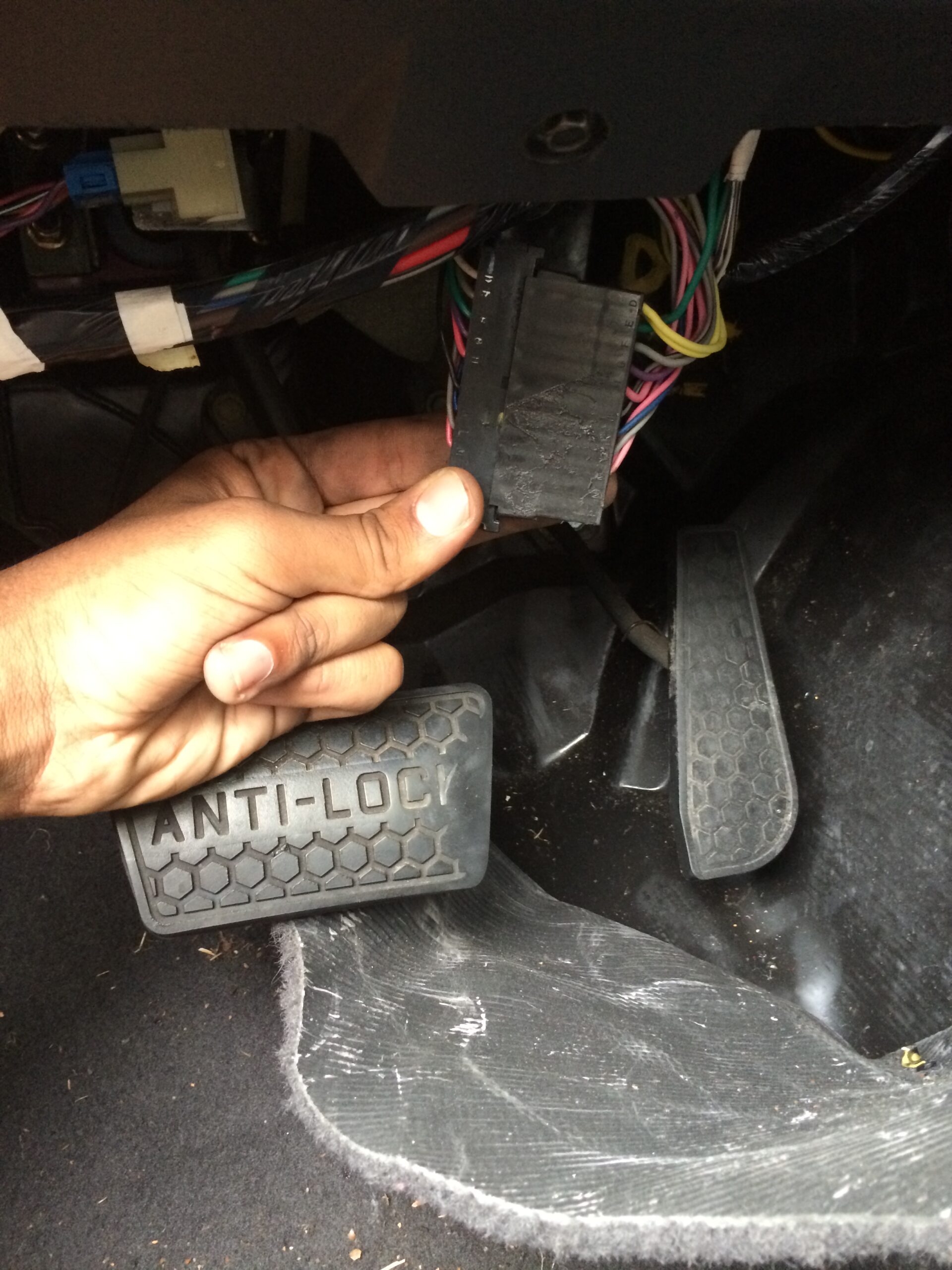
Image credit: Wire harness by Ahsanriaz6157, CC BY-SA 4.0, via Wikimedia Commons
コメント