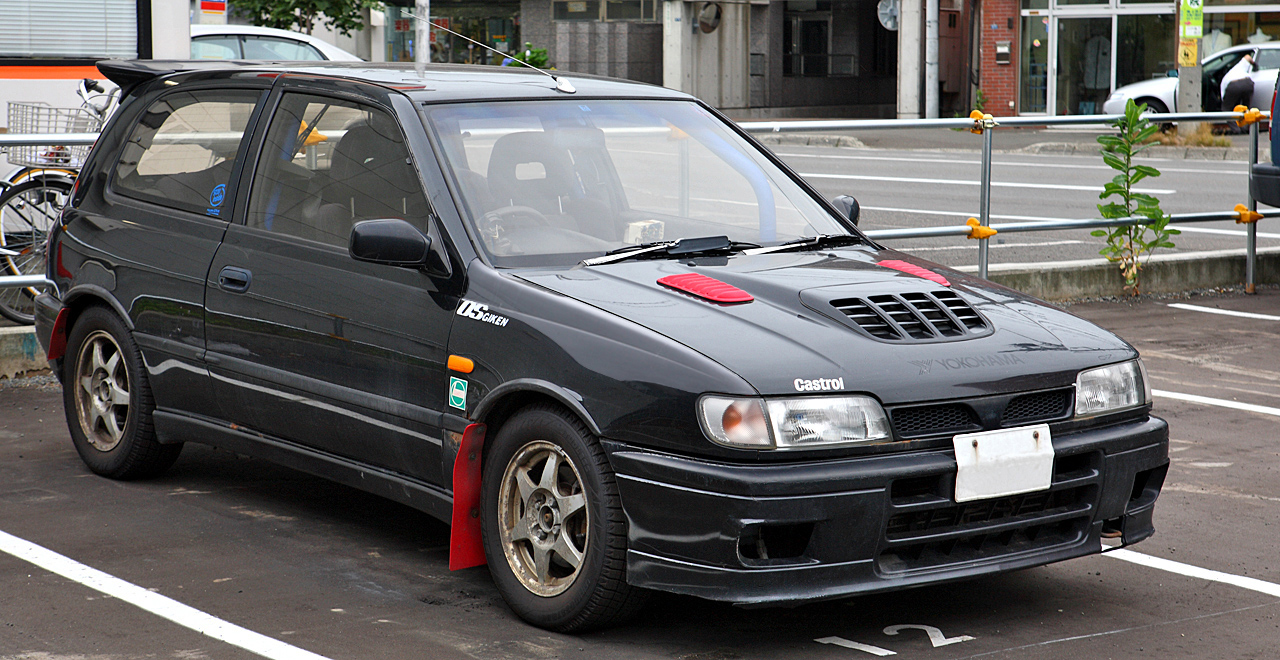
The Nissan Pulsar GTI-R exists purely because of motorsport regulation: to qualify the N14 platform for Group A World Rally Championship competition, Nissan needed to build at least 5,000 road-going examples, and demand ultimately carried production to roughly 14,613 units between 1990 and 1994 before the line closed. What buyers got was a genuinely serious performance hatchback — a 2.0-liter turbocharged SR20DET producing 227 horsepower and 210 lb-ft of torque, paired with the same ATTESA all-wheel-drive system used in the contemporary R32 Skyline GT-R, in a shell weighing roughly 1,090 kg. Period reviewers clocked 0-60 mph in about 5.4 seconds and nicknamed it the “mini GT-R” — a name that undersells just how focused this car actually was. This guide covers the rust areas specific to this platform and a distinctive mechanical quirk worth checking before you buy.
📋 What You’ll Learn in This Guide
- Why the GTI-R exists at all — the homologation story behind it
- What makes the SR20DET and ATTESA AWD combination genuinely special
- The specific rust areas to inspect on this platform
- A distinctive clutch mounting issue worth checking
- Why originality matters so much on such a limited-production car
Built to Qualify for Rally Competition, Not Just to Sell
The GTI-R’s entire existence traces back to Group A homologation requirements — Nissan needed a minimum production run of 5,000 road cars to make the N14 platform eligible for World Rally Championship competition, and the fact that demand pushed total production to roughly 14,613 units suggests the road car found a genuine audience well beyond the minimum required to satisfy the regulations. This homologation-special status is a meaningful part of the car’s appeal: unlike a performance trim added to an existing model for marketing purposes, the GTI-R was engineered specifically to be competitive, with the road-going version following from that motorsport requirement rather than the other way around.
SR20DET and ATTESA: A Genuinely Serious Powertrain
The 2.0-liter SR20DET’s 227 horsepower and 210 lb-ft, routed through a 5-speed manual and the same ATTESA all-wheel-drive system found in the R32 Skyline GT-R, gave the roughly 1,090 kg GTI-R genuinely quick performance for its era — a 0-60 mph time of about 5.4 seconds that period reviewers found remarkable enough to earn the “mini GT-R” nickname. That comparison isn’t just marketing shorthand; the shared ATTESA hardware means the GTI-R offers a genuine taste of Skyline GT-R all-wheel-drive engineering in a smaller, lighter, and today generally more affordable package.
💡 Tip
Because the GTI-R’s total production run was relatively small and concentrated in a narrow window, verify VIN and production documentation carefully to confirm a car’s authenticity and history rather than relying solely on visual condition or a seller’s description — this matters more on a limited-production homologation special than on higher-volume JDM classics.
Where Rust Hides on This Platform
The sills, rear wheel arches, strut towers, and rear subframe mounts are the specific areas where corrosion tends to hide on an RNN14 Pulsar GTI-R. If any of these areas feel soft under inspection, treat it as a serious concern rather than a minor cosmetic issue — repairing structural rust in these locations can easily run into a five-figure bodywork bill, and it’s worth walking away from an otherwise appealing car rather than absorbing that cost after purchase.
A Distinctive Clutch Mounting Issue
Check the clutch pedal mounting bracket carefully before buying. The factory mount that holds the clutch assembly to the bulkhead is known to give way without warning on this platform — a specific, well-documented mechanical quirk that’s easy to overlook during a casual test drive but worth having a specialist inspect directly, since a sudden failure in this area affects your ability to operate the car safely.
⚠️ Caution
Buy on condition, verified rust status, and drivetrain health above everything else — repairs on this platform aren’t cheap, and a GTI-R with hidden structural rust or an unaddressed clutch mounting issue can turn into a genuinely expensive project regardless of how appealing the asking price looks initially.
What Drives Pricing Today?
Values have risen meaningfully alongside broader interest in 1990s JDM icons, and top, genuinely original examples with documented history and rust-free bodies now command strong premiums over the car’s original pricing. Given the car’s homologation-special status and comparatively limited production, well-preserved examples are becoming harder to find than the total production figure alone might suggest.
Frequently Asked Questions
Q: Is the GTI-R really comparable to the R32 Skyline GT-R?
A: It shares genuine ATTESA all-wheel-drive engineering DNA and offers a related driving character in a smaller, lighter package, but it’s a distinct car with its own SR20DET powertrain rather than a direct substitute — think of it as a related but different experience, not a budget GT-R clone.
Q: How seriously should I take the clutch mounting issue?
A: Seriously enough to have it specifically inspected by a specialist familiar with the platform before purchase — it’s a documented, specific failure point on this car rather than a generic wear item, and it directly affects your ability to control the vehicle.
Final Thoughts
The Pulsar GTI-R’s homologation-special origin gives it a genuine motorsport pedigree that few performance hatchbacks of its era can claim, and the shared ATTESA hardware with the Skyline GT-R makes that pedigree more than just a marketing story. Inspect the known rust areas thoroughly, have the clutch mounting bracket checked specifically, and verify authenticity given the car’s limited production run. Get that right, and the GTI-R remains one of the most genuinely purpose-built performance hatchbacks to come out of Japan’s Group A rally era.
Image credit: Nissan Pulsar GTI-R, via Wikimedia Commons (CC BY-SA 3.0)

コメント