📋 Summary
- Bridgestone and Yokohama are Japan’s two dominant tire manufacturers, both with genuinely global reach well beyond the JDM scene specifically
- Bridgestone was founded in 1931 by Shojiro Ishibashi, and the company name is a deliberate English translation and reversal of his own surname, “Ishibashi” literally means “stone bridge”
- Yokohama Rubber was founded in 1917, originally as a joint venture with American company BFGoodrich, and its ADVAN performance sub-brand, launched in 1978, holds particular significance within JDM motorsport and tuning culture
- Understanding these two companies’ histories adds useful context to the tire names that show up constantly across JDM builds, racing coverage, and used-import listings
Tires rarely get the same enthusiast attention as engines, wheels, or aero kits, but two Japanese tire manufacturers, Bridgestone and Yokohama, have genuinely global reach and deep histories worth understanding, particularly since Yokohama’s ADVAN sub-brand carries real weight within JDM motorsport culture specifically.
Bridgestone: A Name Built From a Translated Surname
Bridgestone was founded in 1931 by Shojiro Ishibashi, who had previously run his family’s tabi (traditional Japanese footwear) and rubber-sole business before moving into tire manufacturing. The company’s name is a genuinely deliberate piece of branding: “Ishibashi” (石棟) literally translates to “stone bridge,” and the founder had the English translation reversed into “Bridgestone” specifically to appeal to overseas markets, according to the company’s own account of its naming. That international-market-minded branding decision, made back in 1931, reflects a global ambition that proved genuinely prescient given Bridgestone’s current standing as one of the world’s largest tire manufacturers.
💡 Tip: Bridgestone’s Name Origin Is a Genuinely Useful Trivia Fact
Next time you spot a Bridgestone tire, you now know the name isn’t a place or an abstract brand word, it’s literally the founder’s own surname, translated into English and flipped into a new word order specifically for international appeal.
Yokohama Rubber: An American Partnership From the Start
Yokohama Rubber’s history goes back further than Bridgestone’s, founded October 13, 1917 as a joint venture between Yokohama Cable Manufacturing and American company BFGoodrich, moving into automotive tire production by 1921. Within JDM culture specifically, Yokohama’s most significant sub-brand is ADVAN, a performance tire line launched in 1978 with the ADVAN HF, described as Japan’s first sports radial tire, building on motorsport tire supply experience Yokohama had already accumulated in Japanese racing since 1963. Yokohama has continued that motorsport relationship into the present day, serving as the official tire supplier for Japan’s Super Formula series since 2016.
Two Genuinely Different Modern Technology Platforms Worth Knowing
Beyond company history, it’s worth understanding the specific modern compound technologies each company currently markets, since these represent real, distinct engineering priorities rather than interchangeable marketing labels. Bridgestone’s ENLITEN platform is built primarily around sustainability and efficiency: a proprietary lightweight material formulation that reduces rolling resistance (genuinely improving fuel consumption on combustion-engine vehicles) while incorporating recycled carbon black, synthetic rubber derived from recycled plastic, renewable soybean oil, and rice-husk-derived silica, all engineered specifically not to compromise the tire’s underlying performance or safety despite the more sustainable material sourcing. Yokohama’s BluEarth line, by contrast, centers its silica compound formulation specifically around wet-weather grip performance, paired with an asymmetrical tread pattern engineered to evacuate water quickly and reduce hydroplaning risk. Neither technology platform is simply “better” than the other in the abstract, they reflect genuinely different current engineering priorities, environmental material sourcing and rolling efficiency for Bridgestone’s ENLITEN versus wet grip and water evacuation for Yokohama’s BluEarth, worth understanding on their own terms when comparing current tire lineups from either manufacturer rather than relying on brand reputation alone.
Why ADVAN Specifically Matters to JDM Tuning Culture
Where Bridgestone’s reputation within JDM circles tends to sit more on the OEM and general-market side, Yokohama’s ADVAN line has built a genuinely distinct identity within tuning and motorsport culture specifically, appearing constantly in grip-focused street and track builds, drift culture, and time attack competition. That distinction, general-market strength versus a dedicated performance sub-brand identity, is a useful piece of context when researching why one name shows up more often in a specific corner of JDM culture than the other.
⚠️ Caution: Tire Choice Should Match Actual Use Case, Not Just Reputation
A tire’s brand reputation within motorsport or tuning culture doesn’t automatically make it the right choice for daily-driven street use, and vice versa. Performance-oriented tires like ADVAN’s track-focused lines often trade off wet-weather grip, noise, or tread life compared to general-market tires. Match tire selection to your actual driving conditions and needs, not brand prestige alone.
Frequently Asked Questions
Q: Where does the Bridgestone name come from?
A: It’s an English translation of founder Shojiro Ishibashi’s own surname, “Ishibashi” means “stone bridge,” reversed into “Bridgestone.”
Q: Was Yokohama Rubber always a purely Japanese company?
A: It was founded in 1917 as a joint venture with American company BFGoodrich, reflecting international partnership from the very start of its history.
Q: What is ADVAN?
A: Yokohama’s performance tire sub-brand, launched in 1978, closely associated with JDM motorsport and tuning culture.
Q: Is Bridgestone or Yokohama more associated with JDM tuning culture specifically?
A: Yokohama, primarily through its ADVAN sub-brand, holds a more distinct identity within JDM performance and motorsport circles, while Bridgestone’s reputation skews more toward general-market and OEM strength.
This article is for general informational purposes based on publicly available company history sources. Company histories and product lineups change over time – always verify current details directly with the brand or a qualified professional before purchasing tires.
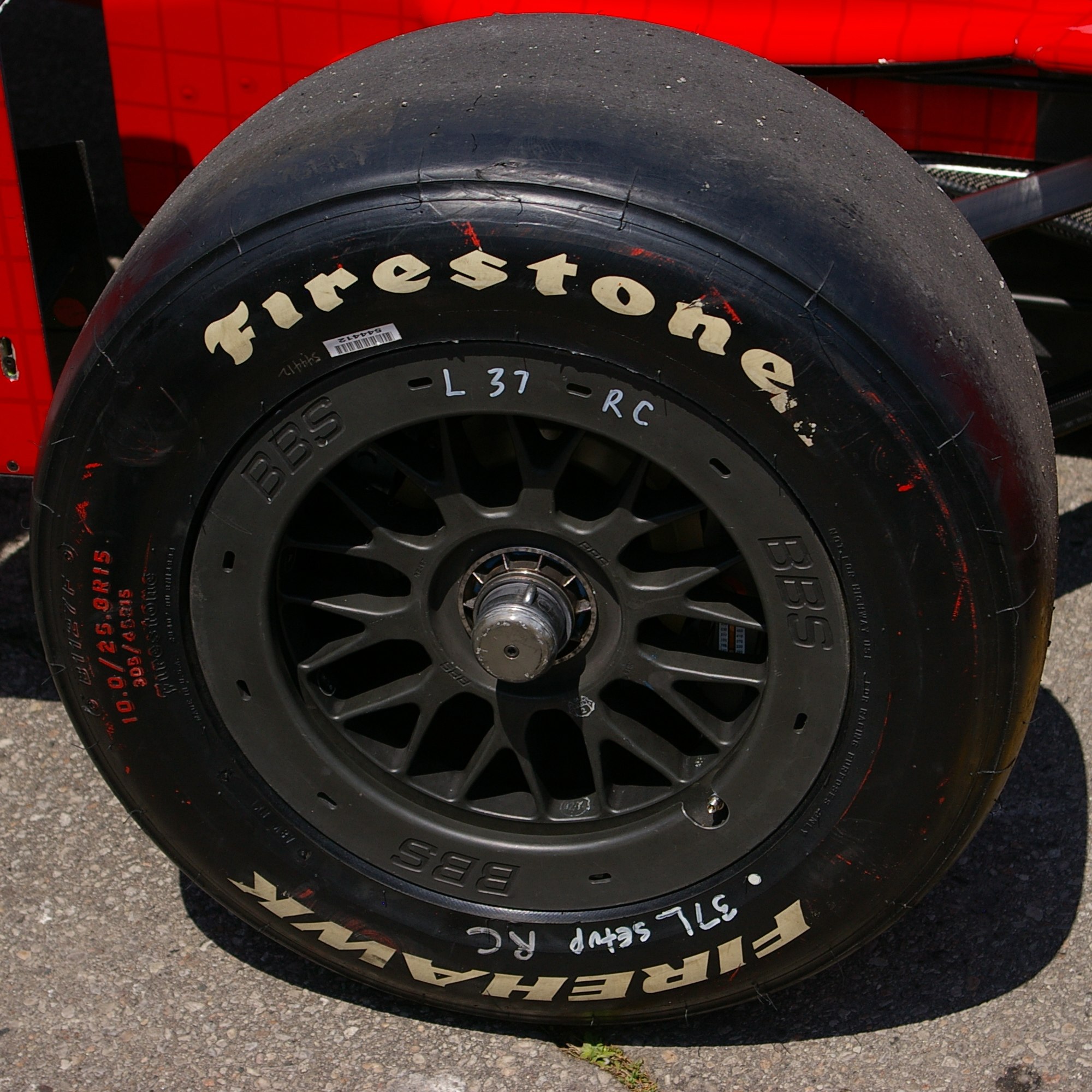
Image credit: Tire close up by tequilamike, CC BY 2.0, via Wikimedia Commons

コメント