📋 Summary
- TPR Co., Ltd., formerly known as Teikoku Piston Ring, is a Japanese engine internals manufacturer with roots tracing to Gentaro Tanaka Shoten in 1908, formally established as Tanaka Piston Ring Co. in 1939
- The company was renamed Teikoku Piston Ring in 1943, and took its current name, TPR Co., in October 2011, and is headquartered in Tokyo
- A genuinely notable historical detail: TPR’s piston rings were supplied even for the Sakae engine used in the WWII-era Zero fighter aircraft, reflecting the company’s precision-manufacturing pedigree from well before its modern automotive focus
- Today, TPR manufactures piston rings, cylinder liners, and valve seats and guides, core engine-internals components genuinely distinct from any other brand covered in this series
The piston rings sealing combustion pressure inside your JDM vehicle’s engine, quietly doing genuinely critical work with every single combustion cycle, may well trace back to TPR, a Japanese engine internals specialist with a surprisingly deep manufacturing history.
Over a Century of Precision Engine Component History
TPR Co., Ltd.’s origins trace back to Gentaro Tanaka Shoten, founded in 1908, according to the company’s own corporate history, before the business was formally established as Tanaka Piston Ring Co. in 1939. The company was renamed Teikoku Piston Ring in 1943, a name it carried for decades, before taking its current identity, TPR Co., in October 2011. The company is headquartered in Tokyo.
💡 Tip: TPR’s History Includes a Genuinely Notable WWII-Era Aviation Connection
A genuinely notable historical detail worth knowing: TPR’s piston rings were supplied even for the Sakae engine used in the WWII-era Zero fighter aircraft, according to the company’s own history, reflecting a precision-manufacturing pedigree that predates the company’s modern automotive engine focus by decades.
A Genuine Engine Internals Specialist
TPR’s current product range covers piston rings, cylinder liners, and valve seats and guides, core engine-internals components that are genuinely distinct from any other manufacturer covered elsewhere in this series. Piston rings seal the combustion chamber, preventing compression and combustion gases from leaking past the piston while also controlling oil consumption; cylinder liners provide the wear-resistant surface the piston travels within; and valve seats and guides ensure precise, durable valve operation within the cylinder head. These components work together at the genuine heart of an engine’s combustion process, components most JDM owners never think about unless facing a major engine rebuild.
Why an Engine Uses Three Separate Piston Rings, Not Just One
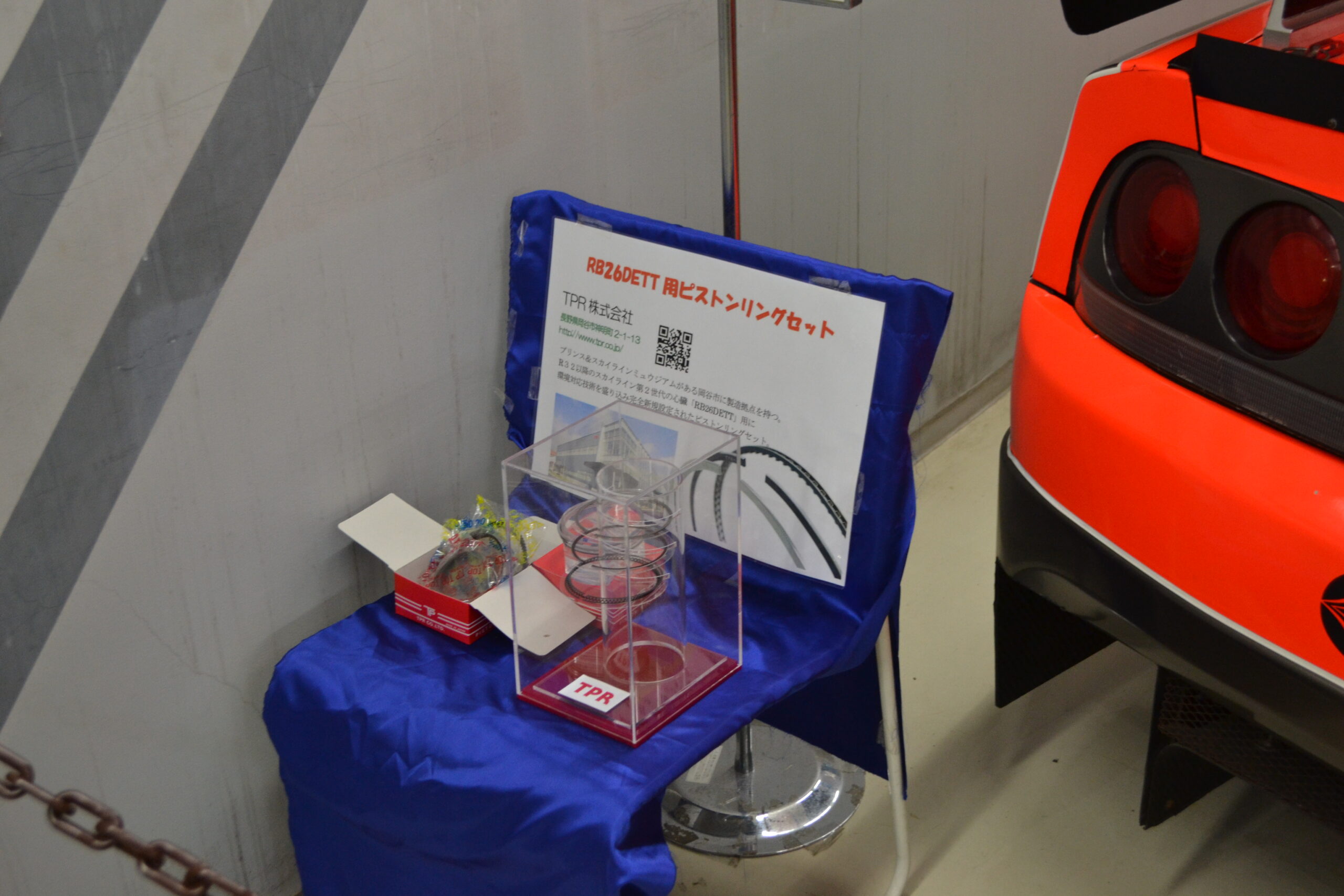
It’s genuinely useful to understand why a modern piston carries three distinct rings rather than a single sealing ring, since each does a different job. The top two rings are compression rings, stacked one above the other specifically to seal the combustion chamber and trap combustion pressure above the piston rather than letting it leak past into the crankcase; the third, lowest ring is the oil control ring, responsible for scraping excess oil off the cylinder wall on the piston’s downstroke so only a thin, correctly metered film remains for lubrication, preventing oil from being drawn up into the combustion chamber and burned. TPR applies different coating technologies depending on the ring’s specific job and the engine’s demands, including chrome plating, nitriding, and physical vapor deposition coatings based on chromium nitride, chosen specifically for their hardness and scuff resistance against the cylinder liner surface. Understanding this three-ring division helps explain why a rebuild using mismatched or incorrect individual rings, rather than a complete, correctly specified ring set, can cause genuinely serious oil consumption or compression problems even if the engine otherwise runs.
Why Engine Internals Quality Matters for Performance Builds
For a JDM engine being rebuilt or significantly modified for increased power, covered elsewhere in this series through various turbo and tuning brands, the quality and specification of internal components like piston rings and cylinder liners genuinely matters for both reliability and achieving the intended performance gains. Understanding that a major, historically significant specialist like TPR produces these exact component categories provides useful context when researching genuine OEM-equivalent parts for an engine rebuild.
⚠️ Caution: Engine Internal Component Work Requires Genuine Mechanical Expertise
Piston ring, cylinder liner, or valve seat work involves a genuinely involved engine rebuild process requiring precise measurements, correct clearances, and proper assembly technique. This work should always be performed by someone with genuine engine-building expertise and proper equipment, never attempted as a casual DIY project without adequate mechanical knowledge.
Frequently Asked Questions
Q: What does TPR make?
A: Piston rings, cylinder liners, and valve seats and guides, core engine-internals components.
Q: Was TPR always called TPR?
A: No, the company operated as Teikoku Piston Ring from 1943 until taking its current name, TPR Co., in October 2011, with roots tracing back to 1908.
Q: What is TPR’s connection to WWII aviation history?
A: The company’s piston rings were supplied for the Sakae engine used in the Zero fighter aircraft, according to the company’s own history.
Q: Why do piston rings matter for engine performance?
A: They seal the combustion chamber, preventing gas leakage and controlling oil consumption, genuinely critical to both engine efficiency and reliability.
This article is for general informational purposes based on publicly available company sources. Always have engine internal component work performed by a qualified professional with genuine engine-building expertise.
Image credit: Piston Ring Set of RB26DETT by 先従隗始, Public Domain (CC0), via Wikimedia Commons
コメント