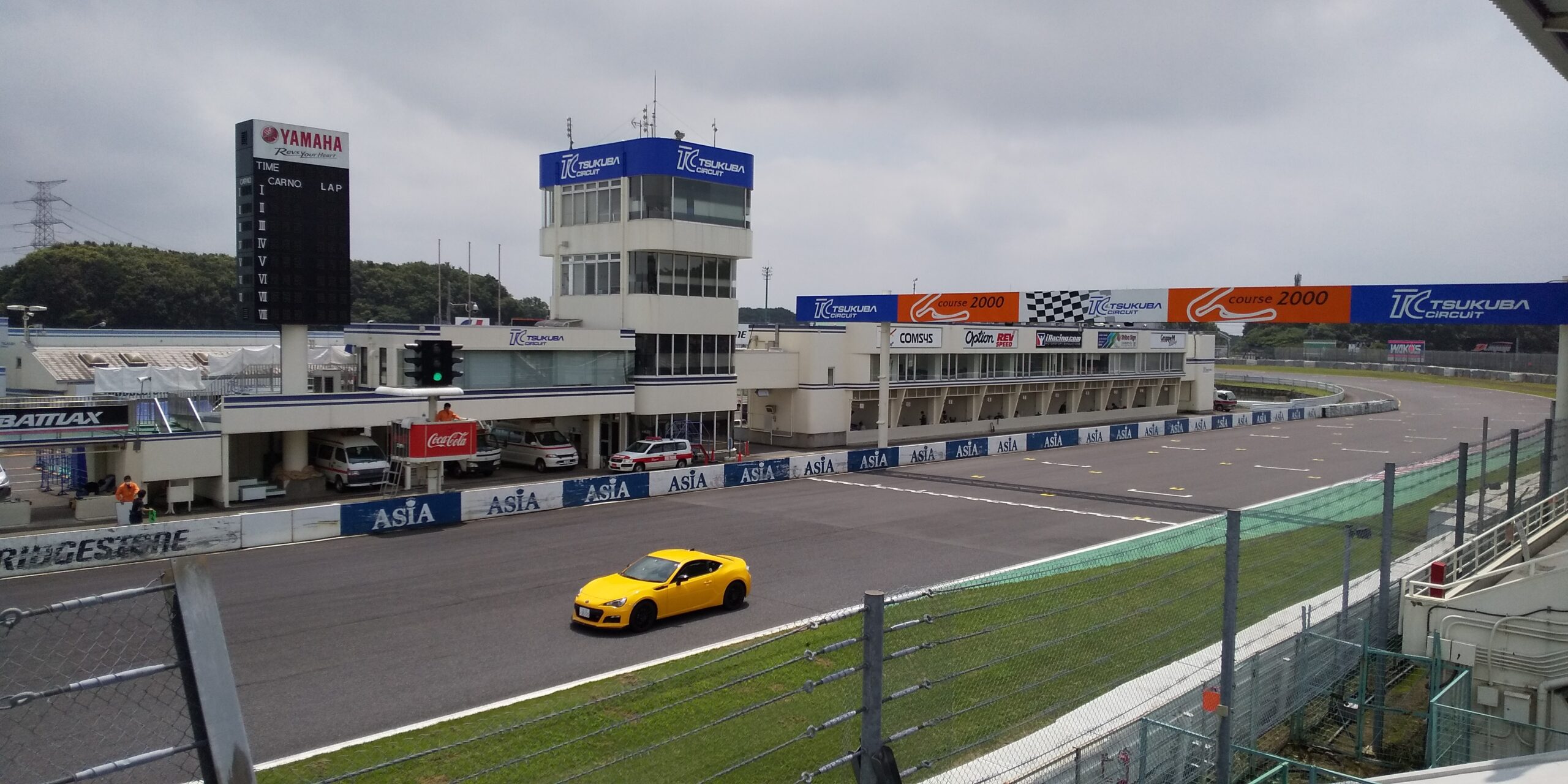
Ask any serious time attack enthusiast worldwide what lap time genuinely means something, and there’s a real chance they’ll cite a figure from a compact, technical circuit in Ibaraki Prefecture that most casual motorsport fans have never heard of: Tsukuba Circuit. Despite measuring just over two kilometers, Tsukuba has become the single most universally referenced benchmark in time attack culture, a genuine proving ground where tuning shops, manufacturers, and privateers alike measure their cars against each other using directly comparable lap times. This guide explains why.
📋 What You’ll Learn in This Guide
- Tsukuba’s history from a 1966 concept to a 1970 opening
- Why the circuit’s technical, U-shaped layout suits time attack specifically
- How Tsukuba became time attack culture’s universal benchmark
- Notable lap records that illustrate the circuit’s competitive evolution
- What makes a Tsukuba lap time so directly comparable across different eras and cars
- From a 1966 Concept to a 1970 Circuit
- A Technical, U-Shaped Layout Built for Precision
- How Tsukuba Became Time Attack’s Universal Benchmark
- Notable Records That Illustrate the Circuit’s Evolution
- What Makes a Tsukuba Time Genuinely Comparable
- The Best Motoring Connection
- Time Attack Culture Beyond Tsukuba
- Frequently Asked Questions
- Final Thoughts
From a 1966 Concept to a 1970 Circuit
Tsukuba Circuit’s origins trace back to 1966, when the venue was first conceived specifically with the goal of attracting young people into motorsport participation, though the actual circuit wouldn’t open until June 22, 1970, in Shimotsuma, Ibaraki Prefecture. This multi-year gap between initial concept and actual completion reflects the genuine practical challenges of establishing new motorsport infrastructure, but the resulting circuit’s specific design — a compact, technical layout rather than a sprawling, high-speed facility — would eventually prove genuinely well-suited to a discipline that didn’t even exist yet when the circuit was first conceived: time attack competition.
A Technical, U-Shaped Layout Built for Precision
Tsukuba’s circuit layout measures just 2.045 kilometers across 14 corners, following a distinctive U-shaped path that folds back on itself through a genuine variety of hairpins and medium-speed bends before a final fast curve returns drivers to the start/finish straight. This compact, technically demanding layout — genuinely different in character from a sprawling, high-speed facility like Suzuka or Fuji Speedway covered elsewhere in this guide series — rewards precise braking points, careful weight transfer management, and genuine driver skill in a way that’s particularly well-suited to isolating and measuring a specific car-and-driver combination’s actual performance limit, which is precisely what time attack competition is fundamentally trying to measure.
💡 Tip
Understanding why Tsukuba’s specific layout suits time attack so well helps explain a broader principle about circuit design generally: a track doesn’t need to be long, fast, or internationally famous to become genuinely significant within a specific motorsport discipline — it simply needs to reward exactly the skills that discipline is trying to measure. Tsukuba’s technical, compact layout does precisely this for time attack in a way a longer, faster circuit with more varied straight-line speed emphasis simply wouldn’t replicate as cleanly.
How Tsukuba Became Time Attack’s Universal Benchmark
While informal time attack-style events at Tsukuba reportedly date back as early as the 1980s, the circuit’s first officially recognized time attack event took place in May 1994, and from that point forward, Tsukuba’s specific lap times gradually became the single most universally referenced benchmark within Japanese and eventually international time attack culture. This benchmark status emerged organically rather than through any deliberate marketing campaign — because so many different tuning shops, manufacturers, and individual competitors chose to test and compete at the same specific circuit over decades, Tsukuba lap times became a genuinely direct, apples-to-apples comparison point across different eras, different cars, and different competitive contexts in a way few other circuits worldwide can claim.
Notable Records That Illustrate the Circuit’s Evolution
Tsukuba’s lap record history offers a genuinely fascinating window into time attack culture’s technical progression over the decades. Driver Yoshiki “Fire” Ando broke a genuinely symbolic barrier on January 27, 2023, becoming the first to lap Tsukuba’s course in under 50 seconds with a 49.897-second lap — a milestone comparable in significance to breaking a genuinely meaningful psychological barrier in other forms of competition. Earlier notable records include a 50.366-second lap set by driver Under Suzuki in an ADVAN-liveried Nissan Silvia S15 in 2016, and a 49.445-second lap set by the HKS TRB-03. For genuinely high-performance open-wheel machinery on the circuit’s longer “2000” course configuration, Kamui Kobayashi set the fastest recorded lap in a Super Formula Dallara-Toyota at 44.088 seconds in 2015, illustrating the meaningful performance gap between dedicated time attack-prepared production-based cars and genuine open-wheel racing machinery on the same circuit.
⚠️ Caution
Don’t assume Tsukuba lap times translate directly or predictably to performance comparisons at other circuits — a car genuinely optimized for Tsukuba’s specific technical, compact layout may not perform comparably well relative to competitors on a longer, faster, or differently configured circuit. Tsukuba’s benchmark status reflects its role as a shared, directly comparable reference point specifically among cars and drivers who’ve also competed there, not a universal performance translator applicable to any circuit worldwide.
What Makes a Tsukuba Time Genuinely Comparable
The specific value of Tsukuba as a benchmark lies in its remarkable consistency over an extended period — because the fundamental circuit layout has remained largely stable across decades of time attack competition, a lap time set in a given year can be meaningfully, directly compared against records set years or even decades earlier, in a way that circuits undergoing more frequent layout changes or safety-driven modifications simply can’t offer with the same clean historical continuity. This consistency is precisely why serious time attack competitors and enthusiasts continue treating Tsukuba lap times as the sport’s most meaningful, universally understood currency, even as newer circuits and competitive formats have emerged elsewhere.
The Best Motoring Connection
Tsukuba’s benchmark status was substantially reinforced by Japan’s influential car culture video media, particularly the long-running Best Motoring video series, which featured Tsukuba prominently across countless comparison tests, tuning shop showcases, and driver skill demonstrations that circulated widely both within Japan and, through fan-subtitled distribution, among international enthusiasts during the pre-streaming era. This media exposure meant that overseas JDM enthusiasts often became familiar with Tsukuba’s specific corners, lap time culture, and competitive personalities well before ever having the opportunity to visit Japan themselves, giving the circuit a genuine cultural significance among international fans that extends considerably beyond its purely competitive time attack function.
Time Attack Culture Beyond Tsukuba
While Tsukuba remains time attack’s most universally cited benchmark, the broader time attack competitive discipline has genuinely expanded well beyond this single circuit, with dedicated time attack events and competitive series now held at various circuits both within Japan and internationally. Understanding Tsukuba’s specific historical role as the discipline’s original and most enduring benchmark, rather than assuming it represents the entirety of contemporary time attack culture, gives a more accurate picture of how this specific circuit fits within time attack’s now considerably broader competitive landscape.
Frequently Asked Questions
Q: Can overseas visitors attend time attack events at Tsukuba as spectators?
A: Time attack events at Tsukuba are generally open to spectators, though specific event schedules, ticketing, and access details vary by event and should be confirmed directly with current circuit or event organizer information before planning a visit.
Q: Is Tsukuba’s shorter course configuration still used today alongside the full “2000” layout?
A: The circuit has historically offered a shorter alternative configuration without the final hairpin section in some past years, though which specific configurations remain currently in use should be confirmed against current circuit information rather than assumed to match any specific historical description.
Q: Do manufacturers use Tsukuba for genuine production car development testing, not just aftermarket time attack competition?
A: Tsukuba’s role as a widely recognized benchmark circuit has made it a location various manufacturers and tuning companies use for both competitive time attack purposes and broader performance testing and development work, reflecting its established reputation as a meaningful, comparable testing ground beyond purely competitive events.
Q: How does Tsukuba’s relatively short 2.045-kilometer length compare to major international circuits?
A: Tsukuba is genuinely compact relative to major international circuits like Suzuka or Fuji Speedway, both well over four kilometers in length, but this smaller scale is precisely what makes it so effective for isolating and measuring a specific car’s cornering and braking performance without the confounding influence of extended high-speed straights that longer circuits introduce into overall lap time comparisons.
Final Thoughts
Tsukuba Circuit’s remarkable rise from a modest 1970 regional facility to time attack culture’s single most universally referenced benchmark demonstrates how a circuit’s specific technical character, rather than its size or international fame, can determine its lasting significance within a particular motorsport discipline. Understanding why this compact, technical layout became such a meaningful proving ground — and treating its lap times as a benchmark specifically within time attack culture rather than a universal performance measure — gives real context to one of Japanese motorsport’s most quietly significant venues, one whose influence on global car culture has genuinely outgrown its modest physical footprint.
Image credit: Tsukuba Circuit by なおっつ (CC BY-SA 4.0), via Wikimedia Commons

コメント