📋 Summary
- Initial D, created by Shuichi Shigeno, ran as a manga from 1995 to 2013 across 48 volumes, reportedly selling more than 50 million copies, making it one of the best-selling automotive-themed manga of all time
- The series is widely credited with single-handedly rescuing the Toyota AE86 Sprinter Trueno/Corolla Levin from being a forgotten, unremarkable economy car and turning it into one of the most recognizable JDM icons in the world
- Beyond the AE86, Initial D introduced international audiences to touge (mountain pass) racing culture, drift technique, and a wide cast of other JDM cars including the FD3S RX-7, S13/S14 Silvia, and R32 GT-R
- The series’ influence extended into real-world professional drifting, racing video games, and the broader international JDM import scene, with effects still visible decades after the manga concluded
Few pieces of media have shaped how an entire generation of car enthusiasts around the world think about Japanese performance cars quite like Initial D. What began as a manga about street racing on a specific set of mountain roads outside Tokyo grew into something closer to a cultural institution, one whose fingerprints are still visible on the JDM scene today, decades after the story first began.
From Manga to Global Phenomenon
Initial D was created by Shuichi Shigeno and began serialization in Weekly Young Magazine in 1995, eventually running for 18 years until 2013 across 48 collected volumes. The manga has reportedly sold more than 50 million copies over its run, a figure that places it among the best-selling automotive-themed manga ever published. That success was followed by multiple anime television series, feature films, and a wave of licensed video games, spreading the story well beyond Japan’s borders and into international car culture, particularly through fan-driven English-language distribution and, later, official streaming releases.
The story centers on Takumi Fujiwara, a young driver who unknowingly develops exceptional car control skills delivering tofu for his father’s shop along the winding mountain roads of Mount Akina, before being drawn into the world of touge racing, an entire competitive culture organized around late-night runs on Japan’s mountain passes.
💡 Tip: Initial D Is a Genuinely Useful Introduction to JDM Car Culture
For newcomers trying to understand why certain specific cars, driving techniques, and terminology carry so much weight in JDM enthusiast circles, Initial D remains a genuinely useful cultural reference point. Concepts like touge racing, drift versus grip driving styles, and the reverence for specific chassis codes like the AE86 or FD3S all trace at least partly back to how this series popularized and explained them to a mainstream audience, making it worth understanding even for enthusiasts who never followed the story itself.
How Initial D Rescued the AE86
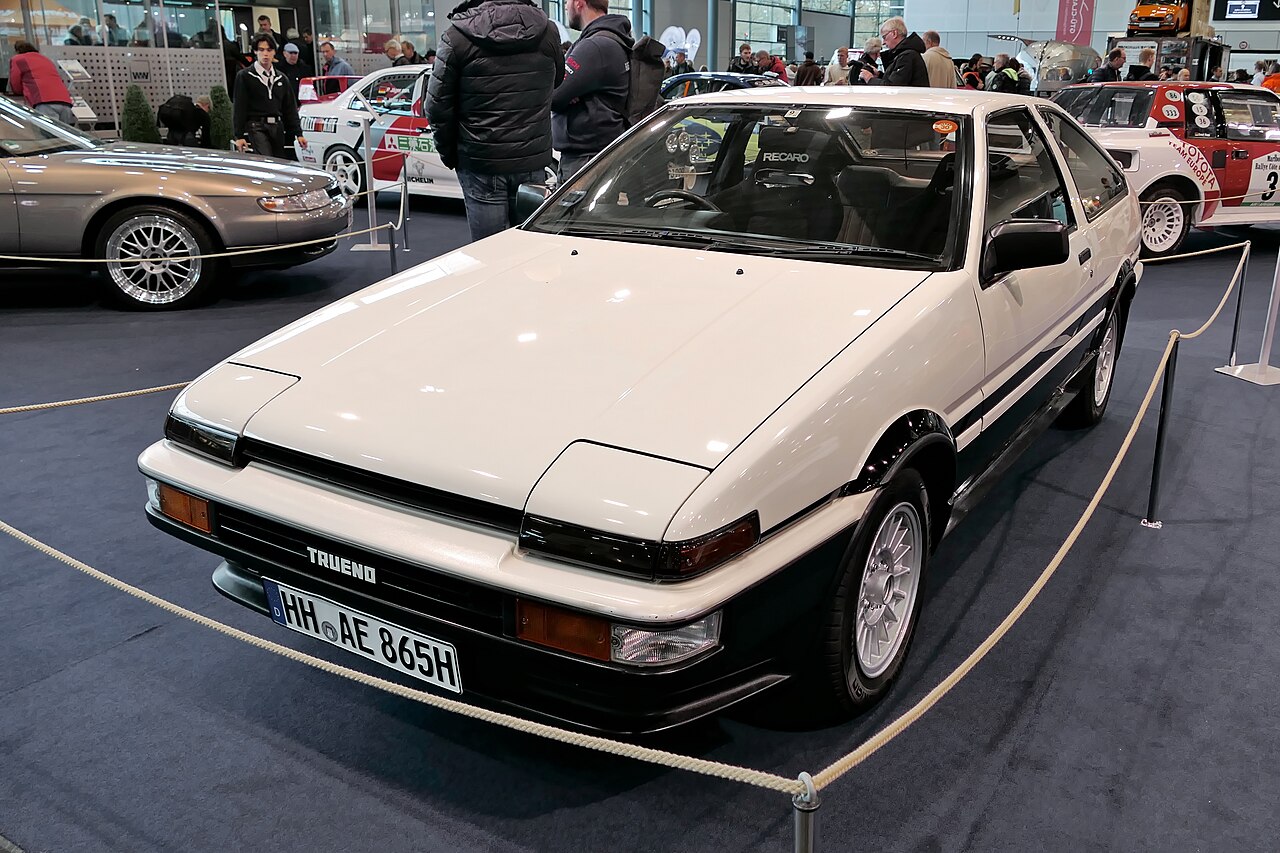
Perhaps no single piece of media has had a more dramatic effect on a specific car’s reputation than Initial D had on the Toyota AE86 Sprinter Trueno and Corolla Levin. Before the manga’s release, the AE86 was, by most accounts, a fairly unremarkable, affordable Japanese economy coupe from the early-to-mid 1980s, appreciated by some enthusiasts for its light weight and rear-wheel-drive layout but far from a cultural icon. Takumi Fujiwara’s choice of the AE86 as his father’s delivery car, and by extension his own race car throughout the series, changed that perception permanently.
In the years following Initial D’s rise in popularity, AE86 values climbed substantially and clean examples became increasingly difficult to find, a direct and often-cited consequence of a generation of enthusiasts specifically seeking out the car because of the series. Toyota itself has acknowledged the AE86’s cultural significance in developing later cars, with the modern Toyota 86/GR86 and Subaru BRZ explicitly designed around the same lightweight, rear-wheel-drive formula that made the original AE86 beloved, aimed in part at the audience Initial D helped create.
A Cast of Cars That Became Icons in Their Own Right
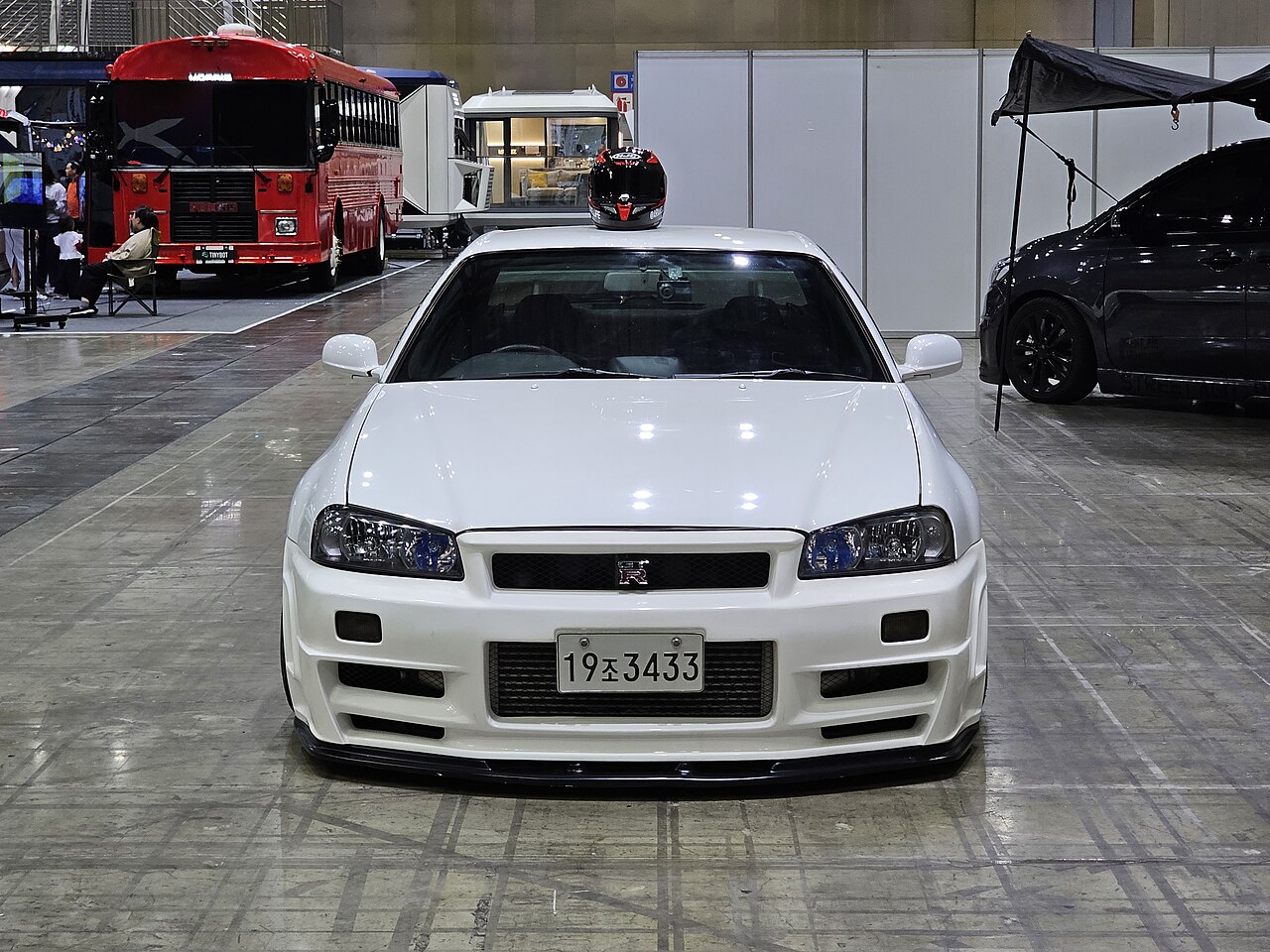
While the AE86 remains Initial D’s most closely associated car, the series featured a wide roster of other JDM performance cars driven by rival characters, many of which saw their own reputations boosted by association with the show. The Mazda FD3S RX-7, driven by a rival racer, the Nissan Silvia S13 and S14, and the Nissan Skyline GT-R R32 and R34 all appeared as opponents’ cars throughout the series’ long run, introducing viewers to an entire cross-section of 1990s Japanese performance cars beyond just the AE86.
This broad cast effectively functioned as an informal education in JDM car culture for millions of international viewers, many of whom had little prior exposure to Japanese performance cars from that era, packaged inside a compelling, ongoing racing story rather than a dry technical overview.
⚠️ Caution: Fiction Popularized Real Street Racing Culture, With Real Risks
While Initial D is a work of fiction, the touge racing culture it depicts and popularized is loosely rooted in a real, and genuinely dangerous, history of illegal street racing on Japan’s public mountain roads. The series’ massive popularity is often credited, alongside other factors, with drawing renewed attention, including from law enforcement, to illegal street racing both in Japan and among enthusiasts abroad who romanticized the depicted lifestyle. Any actual high-performance driving, drifting included, should be practiced on a closed course or sanctioned track, not on public roads.
Fueling the Global Drift Boom
Initial D’s influence extended well beyond car values and enthusiast trivia into the growth of drifting as an organized, professional motorsport outside Japan. The series is widely credited as one of the key cultural forces that introduced international audiences to drifting as a distinct discipline in the years before organized drift competitions existed in most countries outside Japan. As drifting grew into a legitimate, sanctioned motorsport internationally through the 2000s, with dedicated series and events launching across North America, Europe, and elsewhere, a meaningful share of the sport’s early fan base and competitor pool had been introduced to the concept specifically through Initial D.
The series’ impact also extended into gaming, with numerous licensed and unlicensed Initial D video games released over the years, and its visual style and specific rival battles becoming reference points that influenced later racing games and even some real-world event branding within the drift and touge-inspired car meet scene.
A Legacy That Outlasted the Story Itself
Even though the core manga concluded in 2013, Initial D’s cultural footprint has proven remarkably durable. AE86s remain some of the most sought-after and expensive classic Japanese economy cars specifically because of this legacy, car meets and online communities still reference the series’ terminology and rivalries, and new generations of enthusiasts continue discovering the story for the first time through streaming platforms and fan communities, introducing the same touge racing mythology to viewers who were not yet born when the manga first began.
The Eurobeat Soundtrack Became Its Own Cultural Export
One of the more unexpected side effects of Initial D’s international popularity was the way it introduced huge numbers of enthusiasts outside Japan to Eurobeat, a fast-tempo dance music genre that had actually originated in Europe but found a much larger and more devoted long-term fan base through its use as the anime’s racing soundtrack. Eurobeat had been a relatively niche genre internationally before Initial D, but the anime’s high-energy racing sequences, scored almost exclusively with Eurobeat tracks, turned the music into something closely and permanently associated with the series itself in the minds of most fans.
That association proved durable well beyond the anime’s own run: Eurobeat compilation albums tied to Initial D continued to be released for years, the music remains a recurring reference point at JDM-themed car meets and online communities, and it is common for enthusiasts who have never watched a full episode of the anime to still recognize Initial D-associated Eurobeat tracks purely through their circulation in car culture and internet meme culture more broadly.
Frequently Asked Questions
Q: When did Initial D begin, and how long did it run?
A: Initial D began serialization in 1995, created by Shuichi Shigeno, and ran for 18 years until 2013, spanning 48 collected volumes and reportedly selling more than 50 million copies.
Q: Why is the Toyota AE86 so closely associated with Initial D?
A: The AE86 is the primary car driven by the series’ protagonist, Takumi Fujiwara. The manga and anime’s popularity is widely credited with transforming the AE86 from a largely forgotten economy car into one of the most sought-after and valuable classic JDM cars in the world.
Q: What is touge racing?
A: Touge refers to Japan’s winding mountain pass roads, and touge racing describes a real (though illegal) street racing culture centered on those roads that Initial D’s fictional story is loosely based on and helped popularize internationally.
Q: Did Initial D actually help create professional drifting as a sport?
A: Initial D is widely credited as one of the key cultural influences that introduced international audiences to drifting before organized, sanctioned drift competitions existed in most countries outside Japan, helping build the early fan and competitor base as the sport professionalized through the 2000s.
Q: What other cars appear prominently in Initial D besides the AE86?
A: Notable rival cars throughout the series include the Mazda FD3S RX-7, Nissan Silvia S13 and S14, and Nissan Skyline GT-R R32 and R34, among others, giving viewers broad exposure to 1990s JDM performance cars beyond the AE86.
This article is for general informational purposes and reflects widely reported information about the Initial D franchise and its cultural impact. Specific sales figures and historical claims may vary between sources.
Image credit: Toyota Sprinter Trueno GT APEX – Germany 01 by More Cars, CC BY 4.0, via Wikimedia Commons
コメント