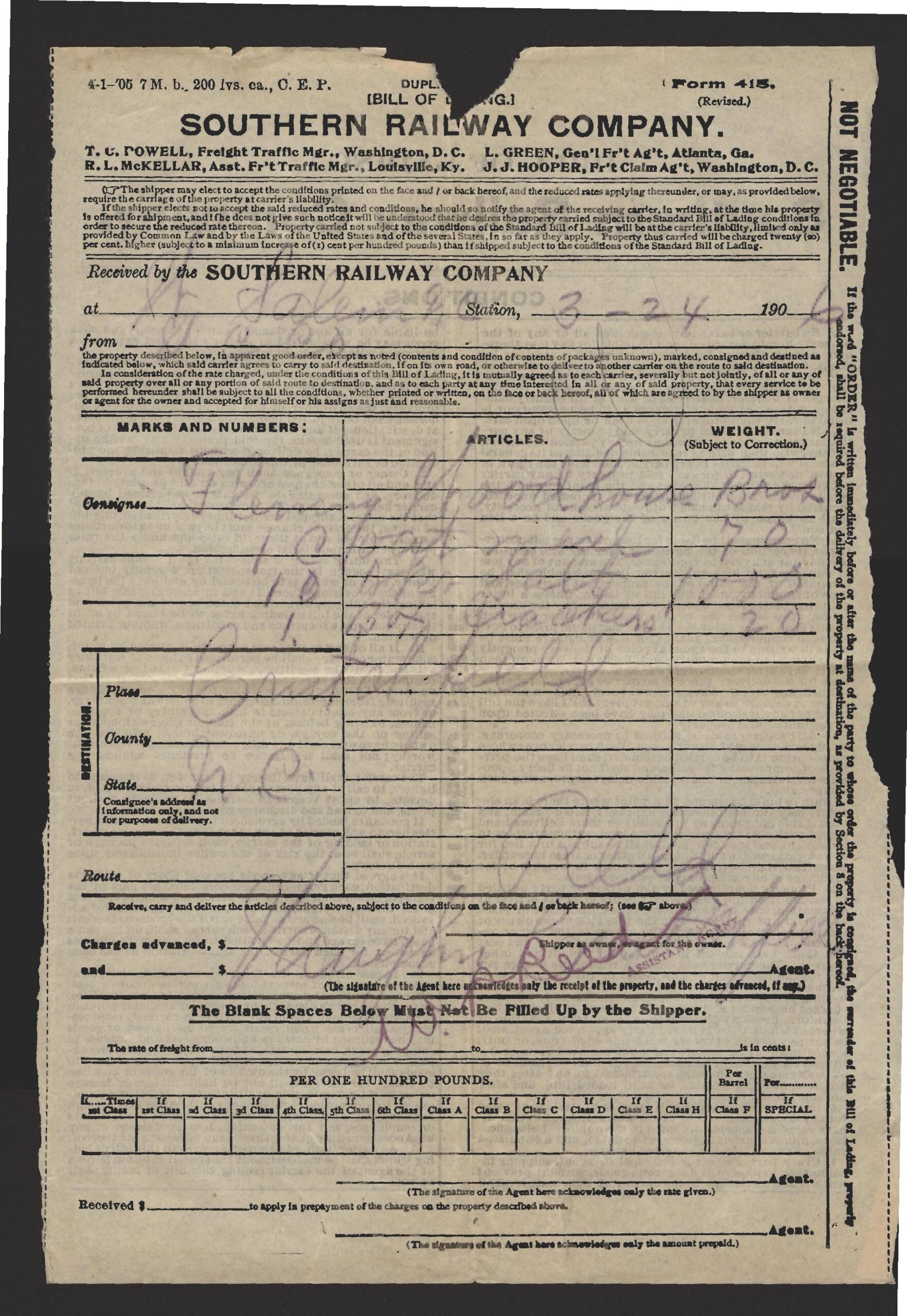
Buried among the paperwork accompanying any car shipped from Japan is a single document that matters more than almost any other: the bill of lading. Without it, or without the correct release mechanism tied to it, you genuinely cannot take possession of your vehicle at destination, no matter how much you’ve already paid or how eager you are to pick it up. Understanding what a bill of lading actually is, why it functions the way it does, and the different release methods commonly used gives you real insight into a document most first-time buyers barely think about until they’re staring at one, confused, at the worst possible moment. This guide covers the basics.
📋 What You’ll Learn in This Guide
- What a bill of lading actually is and the three roles it serves
- The difference between an original bill of lading and a telex release
- What a seaway bill is and when it’s used instead
- Why losing or mishandling this document can genuinely delay your vehicle
- How to track your shipment using bill of lading information
- What a Bill of Lading Actually Is
- Original Bill of Lading: The Traditional Approach
- Telex Release: The Faster Alternative
- Seaway Bill: An Even Simpler Option
- What Information the Bill of Lading Actually Contains
- Using Bill of Lading Information to Track Your Shipment
- House vs. Master Bill of Lading
- Digital and Electronic Bill of Lading Developments
- Frequently Asked Questions
- Final Thoughts
What a Bill of Lading Actually Is
A bill of lading (often abbreviated B/L) serves three distinct legal functions simultaneously: it’s a receipt confirming the carrier has received your cargo (the vehicle) for shipment, it’s evidence of the contract of carriage between the shipper and the carrier, and — depending on the specific type issued — it can also function as a document of title, meaning legal ownership or the right to claim the cargo is tied directly to physical possession of the original document itself. This third function is what makes a traditional original bill of lading meaningfully different from most other shipping paperwork you’ll encounter: it’s not merely informational, it’s a legal instrument that controls who can actually claim the cargo at destination.
Original Bill of Lading: The Traditional Approach
Under the traditional original bill of lading system, the carrier issues a set of physical original documents (commonly three), and whoever physically presents one of these originals at the destination port is entitled to claim the cargo. This system provides genuine security — since possession of the physical original is required, it protects against the cargo being released to the wrong party — but it also introduces real logistical friction: the original document needs to physically travel from Japan to your location (or wherever your customs broker is based) fast enough to arrive before or around the same time the vessel does, and if it’s lost, delayed, or damaged in transit, it can create genuine delays in claiming your vehicle even though the vehicle itself has already physically arrived at the destination port.
💡 Tip
If you’re expecting an original bill of lading, ask your exporter proactively how and when it will be sent to you (courier service, tracking number, expected delivery date) rather than waiting passively and hoping it arrives in time. Given that ocean transit times and international courier delivery times don’t always align neatly, confirming this logistics detail early gives you time to flag any potential timing problem before your vehicle is sitting at destination port with nobody able to claim it yet.
Telex Release: The Faster Alternative
A telex release is a mechanism that avoids the physical original document problem entirely: once the original bill of lading has been properly surrendered to the carrier’s office at the origin (Japan, in this case), the carrier’s origin office sends an electronic release message authorizing their destination office to release the cargo to the named consignee without requiring the physical original document to be presented at all. This has become an extremely common approach specifically because it eliminates the courier timing risk associated with physical original documents, and typically involves a modest carrier fee for processing the release. If your exporter mentions “telex release” as part of your shipping arrangement, understand that this simply means you won’t need to physically present an original document at destination — your customs broker or receiving agent will be able to claim the cargo once the release has been processed electronically.
Seaway Bill: An Even Simpler Option
A further alternative, the seaway bill, dispenses with the document-of-title function entirely from the outset — no original documents are issued at all, and the cargo is released to whoever can verify they are the named consignee, rather than requiring presentation of any physical document. This approach offers genuine simplicity for shipments where the added security of a negotiable original document isn’t particularly necessary (for instance, when the shipper and consignee have an established, trusted relationship rather than needing the document-of-title function to protect against fraud or disputed ownership), though it’s used less universally across the industry than either the original bill of lading or telex release approaches.
⚠️ Caution
If you’re relying on an original bill of lading, treat it with the same care you’d give any genuinely important legal document — keep it secure, don’t lose track of it, and understand that a lost original bill of lading can create a genuinely complicated, time-consuming process to resolve (sometimes requiring formal indemnity procedures with the carrier) before your cargo can be released. This is a meaningful practical reason many buyers and exporters increasingly prefer telex release specifically to avoid this risk entirely.
What Information the Bill of Lading Actually Contains
Beyond its legal function, a bill of lading contains genuinely useful practical information: the vessel name and voyage number, the specific container or cargo identification details, the port of loading and port of discharge, the named shipper and consignee, and often a booking or B/L reference number that’s essential for tracking your shipment’s progress through the carrier’s own tracking systems or third-party vessel tracking services. Keeping this reference number accessible, separate from the physical document itself if you have one, is genuinely useful for monitoring your shipment’s status independently rather than relying purely on updates from your exporter.
Using Bill of Lading Information to Track Your Shipment
Most major shipping carriers offer online tracking tools where entering your bill of lading number, booking reference, or container number returns current status information about your shipment’s location and estimated arrival. This gives buyers a genuinely useful, independent way to monitor progress rather than relying solely on periodic updates from their exporter, and can be particularly reassuring during the multi-week transit period when you might otherwise have no direct visibility into your vehicle’s actual status. If your exporter hasn’t proactively shared your bill of lading or tracking reference number, requesting it specifically once your vehicle has shipped is a reasonable and useful request.
House vs. Master Bill of Lading
When a freight forwarder or consolidator is involved in your shipment, rather than booking directly with the ocean carrier, you may encounter two related but distinct documents: a master bill of lading, issued by the actual ocean carrier to the freight forwarder, and a house bill of lading, issued by the freight forwarder to you as the actual customer. This two-tier structure is common in consolidated shipments (covered in more detail elsewhere in this guide series) where a forwarder combines multiple customers’ cargo into a single container booking with the carrier. Understanding which type of document you actually hold matters practically, since a house bill of lading means your direct legal relationship for cargo release purposes runs through the freight forwarder rather than the ocean carrier directly, which can affect who you need to contact if any issue arises during transit.
Digital and Electronic Bill of Lading Developments
The shipping industry has been gradually moving toward fully electronic bill of lading systems that aim to replicate the legal document-of-title function of a traditional paper original without requiring any physical document at all, addressing the same courier-timing and loss risks that telex release addresses but through a different technical approach. Adoption of these fully electronic systems varies by carrier and route, and isn’t yet universal across the industry, so don’t assume your specific shipment will necessarily use one — but it’s a trend worth being generally aware of, since electronic bill of lading systems may become an increasingly common alternative to both traditional originals and telex release arrangements in the coming years.
Frequently Asked Questions
Q: Which release method — original, telex, or seaway bill — should I prefer as a buyer?
A: Telex release has become the practical default for many vehicle shipments specifically because it avoids the physical document timing risk, and most buyers find it the most convenient option. Discuss with your exporter which method they typically use and why, and don’t hesitate to ask about telex release specifically if timing certainty matters to you.
Q: Who is typically named as the consignee on a bill of lading for a personal vehicle import?
A: This is usually either the buyer directly or the buyer’s customs broker, depending on how your specific import is structured. Confirm with your exporter and customs broker exactly who will be named, since this directly affects who is authorized to claim the cargo at destination.
Q: What happens if there’s an error on my bill of lading, like a misspelled name or wrong vehicle details?
A: Errors should be flagged and corrected with your exporter and the carrier as early as possible, ideally before the vessel departs, since corrections become more complicated and potentially costly once the shipment is already in transit. Review your bill of lading details carefully as soon as you receive them rather than assuming they’re automatically correct.
Final Thoughts
The bill of lading is a genuinely important, sometimes underappreciated document in the vehicle import process — understanding whether your shipment uses an original document, telex release, or seaway bill, and what that means practically for claiming your vehicle at destination, helps you avoid an entirely avoidable delay at the very last stage of a long import process. Confirming the specific release method and getting your tracking reference early are simple steps that make the final leg of the journey considerably less stressful.
Image credit: Historical bill of lading document, scanned by SCEhardt (Public domain), via Wikimedia Commons



コメント