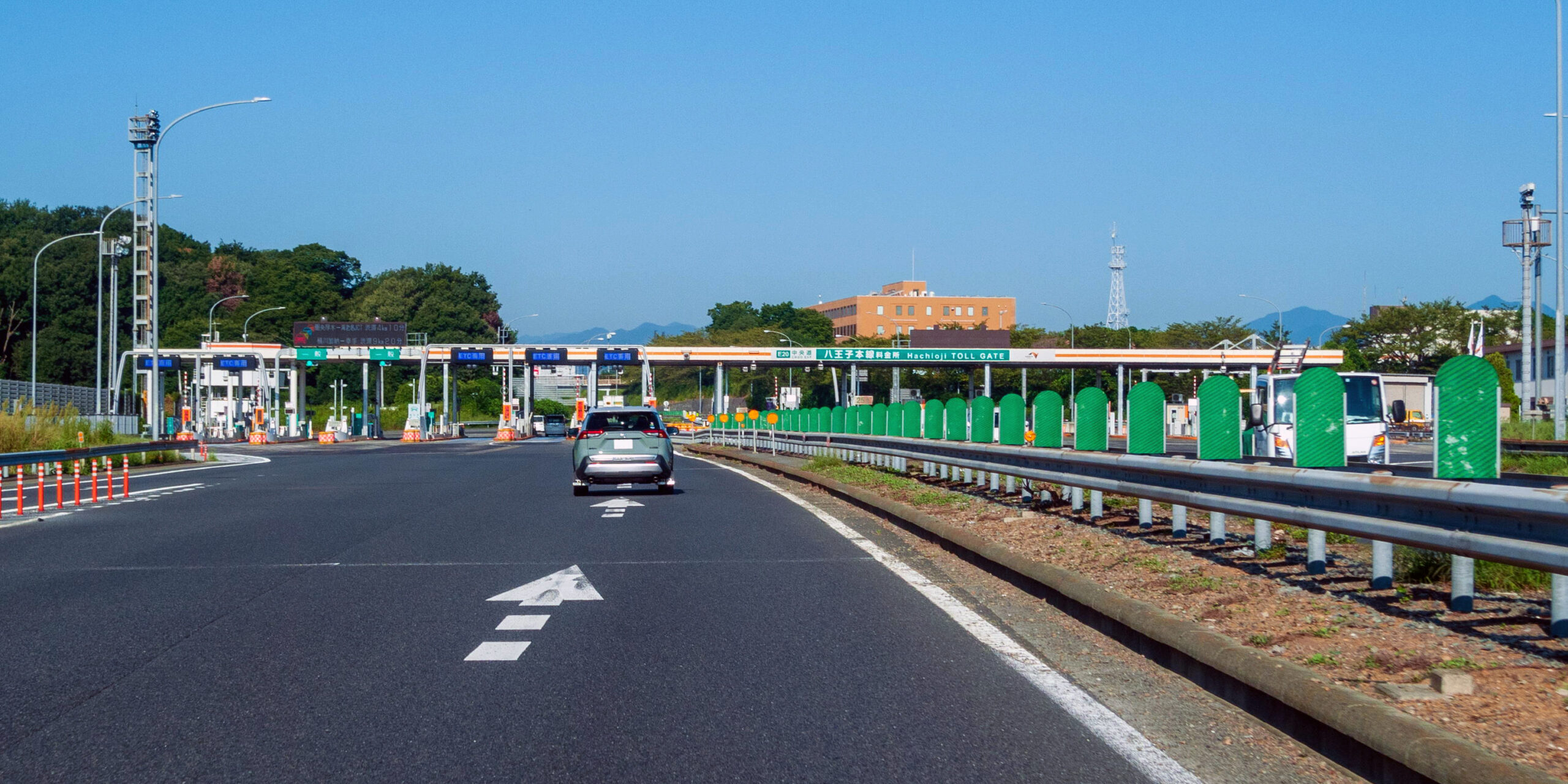
Pull up to your first Japanese expressway toll gate as a visitor, and you’ll notice something immediately: most cars aren’t stopping. They’re gliding through dedicated lanes at a steady pace while a small overhead gate lifts automatically, no cash or card exchanged with a human at all. That’s Japan’s ETC (Electronic Toll Collection) system in action, and understanding how it works, and how you as a visitor or new resident can actually use it, will save you real time, occasional confusion, and even some money on longer road trips. This guide covers everything you need to know about expressway tolls and ETC in Japan.
📋 What You’ll Learn in This Guide
- How Japan’s ETC electronic toll system actually works
- How to get an ETC card as a visitor renting a car
- What to do if you don’t have an ETC card at all
- Toll discounts available to ETC users
- Whether a fixed-price Expressway Pass makes sense for your trip
- How Japan’s Expressway Toll System Works
- What ETC Actually Is
- Getting an ETC Card as a Visitor
- What to Do Without an ETC Card
- ETC Discounts Worth Knowing About
- Should You Get a Fixed-Price Expressway Pass Instead?
- Using Navigation Apps to Estimate Tolls in Advance
- ETC for Long-Term Residents, Not Just Visitors
- Frequently Asked Questions
- Final Thoughts
How Japan’s Expressway Toll System Works
Unlike a “free” interstate highway system, most of Japan’s expressway network (operated primarily by regional NEXCO companies) charges tolls calculated based on the actual distance you travel, similar to a turnpike system. You take an entry ticket or record when you get on the expressway, and pay based on your specific entry and exit points when you leave, meaning longer trips naturally cost more than shorter ones. This distance-based structure is worth understanding upfront, since it means road trip costs across Japan can add up meaningfully on longer journeys, and it’s genuinely useful to factor toll costs into your travel budget rather than assuming a flat, predictable highway fee.
What ETC Actually Is
ETC stands for Electronic Toll Collection, and it’s a nationwide system that lets vehicles pass through toll gates without stopping, using a small in-car device paired with an ETC card (functionally similar to a payment card) that automatically records your entry and exit points and calculates the correct toll. Vehicles with a working ETC card use dedicated ETC lanes, typically marked in purple with an “ETC” sign, and simply drive through at a reduced but non-zero speed as the system reads the card and the gate arm lifts automatically. This is now the dominant way most regular drivers in Japan pay tolls, and it dramatically reduces the queuing and cash-handling that once characterized toll gates nationwide.
💡 Tip
Even with an ETC card, you still need to slow down noticeably (not stop completely, but well below highway speed) as you pass through the gate — this isn’t a full-speed drive-through system like some toll systems elsewhere. Watch for the signal lights at the gate and follow the speed of traffic ahead of you rather than assuming you can maintain highway speed straight through.
Getting an ETC Card as a Visitor
If you’re renting a car as a tourist or short-term visitor, getting an ETC card is usually straightforward: most rental car companies, particularly at airport counters and larger downtown locations, offer ETC card rental alongside the vehicle itself. When booking online, look for and select an option like “ETC card needed” during the reservation process, or simply ask for one at the counter when you pick up your car if you didn’t arrange it in advance. The rental fee for the card itself is typically modest, commonly around ¥330 for the rental period, and importantly, no separate deposit is usually required. All tolls you incur using the card during your rental are automatically tracked and simply added to your final bill when you return the vehicle, payable by cash or credit card along with your regular rental charges — a genuinely convenient system that avoids needing to handle cash at toll gates throughout your trip.
What to Do Without an ETC Card
If you don’t have an ETC card, either because your rental didn’t include one or you’re driving a vehicle without the system installed, you simply use the general lanes instead, typically marked in green with “一般” (ippan, meaning “general”) signage. At the entrance gate, you take a paper ticket recording your entry point. At your exit gate, you hand this ticket to a staffed booth attendant, who calculates your toll based on the distance traveled and accepts payment by cash or credit card. This works perfectly well and doesn’t require any special setup, but it does mean stopping fully at both the entry and exit gates, and potentially waiting in a short queue during busier travel periods, unlike the smoother, non-stop ETC lane experience.
⚠️ Caution
Pay close attention to lane markings as you approach a toll gate, since ETC lanes and general cash lanes are often positioned side by side, and driving into an ETC-only lane without a working card can cause the gate to fail to lift, creating an awkward and potentially costly situation if you need to reverse or explain the mistake to staff. When in doubt, especially early in your trip before you’re used to the signage, default to the clearly marked general lane.
ETC Discounts Worth Knowing About
Beyond the basic convenience, ETC users are eligible for certain toll discounts that cash-paying general lane users simply don’t get access to. A notable example is the late-night discount, typically offering around 30 percent off tolls for travel between midnight and 4 AM, a genuine benefit for anyone doing overnight long-distance driving. Various other time-of-day, frequency-based, or regional discounts exist as well, and having an ETC card is generally a prerequisite for accessing any of them, since the discounts are applied automatically through the electronic system rather than requiring manual claims at a toll booth.
Should You Get a Fixed-Price Expressway Pass Instead?
For visitors planning extensive driving within a specific region over a short period, Japan offers special fixed-price Expressway Passes available exclusively to foreign tourists, covering regions like Hokkaido (the Hokkaido Expressway Pass), Kyushu (the Kyushu Expressway Pass), and Tohoku (the Tohoku Expressway Pass), among others. These passes let you drive unlimited distances within the designated region’s expressway network for a set number of days, for one fixed price, rather than paying per-kilometer tolls for each individual trip. They’re obtained together with a rental car booking at participating rental outlets within the pass’s coverage area and function through an ETC card provided as part of the package.
Whether a pass is worth it depends heavily on your itinerary: these passes tend to offer excellent value for visitors planning to cover significant distances within the region over several days, but they’re generally poor value if you’re simply driving directly from one city to another without much additional regional travel, since the fixed price is calculated assuming meaningfully more total distance than a single point-to-point trip would rack up.
Using Navigation Apps to Estimate Tolls in Advance
One genuinely useful habit for visitors is checking estimated toll costs before you set off, rather than being surprised by the total at the end of a long drive. Most Japanese navigation systems built into rental cars, as well as popular apps, will show an estimated toll cost alongside the route and travel time when you input a destination, often letting you compare a toll expressway route against a slower, toll-free alternative. For budget-conscious travelers, this can be a genuinely useful way to make an informed tradeoff between time saved and money spent on longer journeys, particularly on routes where the toll-free alternative isn’t dramatically slower.
ETC for Long-Term Residents, Not Just Visitors
While much of the practical advice above focuses on short-term visitors renting cars, it’s worth noting that ETC is equally relevant, and arguably even more valuable, for long-term foreign residents who end up owning or leasing a car in Japan. Rather than renting a card with each trip, residents typically purchase their own ETC card, linked to a personal credit card, which stays with them and their vehicle over time as they explore the country’s expressway network for road trips, visits to family or friends in other regions, or extended weekend travel. If you’ve gone through the process of buying or leasing a car in Japan as covered elsewhere on this site, getting your own personal ETC card is a natural and worthwhile next step, since it’s the standard, expected payment method for essentially all regular expressway drivers in the country, not a niche visitor convenience.
Frequently Asked Questions
Q: Can I use my home country’s toll transponder in Japan?
A: No — Japan’s ETC system is a distinct national standard, and foreign toll transponders from other countries are not compatible. You’ll need a Japan-specific ETC card, most easily obtained through your rental car company.
Q: Do all expressways in Japan charge tolls?
A: The vast majority of Japan’s major expressway network operates on a toll basis, though some shorter regional roads and bypasses are toll-free. If you’re planning a route, most navigation apps and rental car GPS systems will indicate toll versus toll-free routing options, which can be useful if you’re trying to minimize costs on a budget trip.
Q: What happens if I accidentally enter an ETC lane without a card?
A: Modern ETC gates are generally designed to detect the absence of a valid card and won’t open, and there’s typically an intercom to contact staff for assistance if this happens. It’s not a major incident, but it can cause a brief delay and some awkwardness, which is exactly why paying attention to lane signage in advance is worthwhile.
Final Thoughts
Japan’s expressway toll and ETC system is efficient and visitor-friendly once you understand the basics, and renting an ETC card alongside your car is a small expense that pays for itself in convenience almost immediately. Whether you go the simple ETC card rental route for a standard trip, rely on general cash lanes if you skip the card, or invest in a regional Expressway Pass for an extensive road trip, a little upfront planning around Japan’s toll system will make your driving experience noticeably smoother than figuring it out reactively at your first toll gate.
Image credit: Chuo Expressway Hachioji Toll Gate.jpg by Yasu, CC BY-SA 3.0, via Wikimedia Commons
コメント