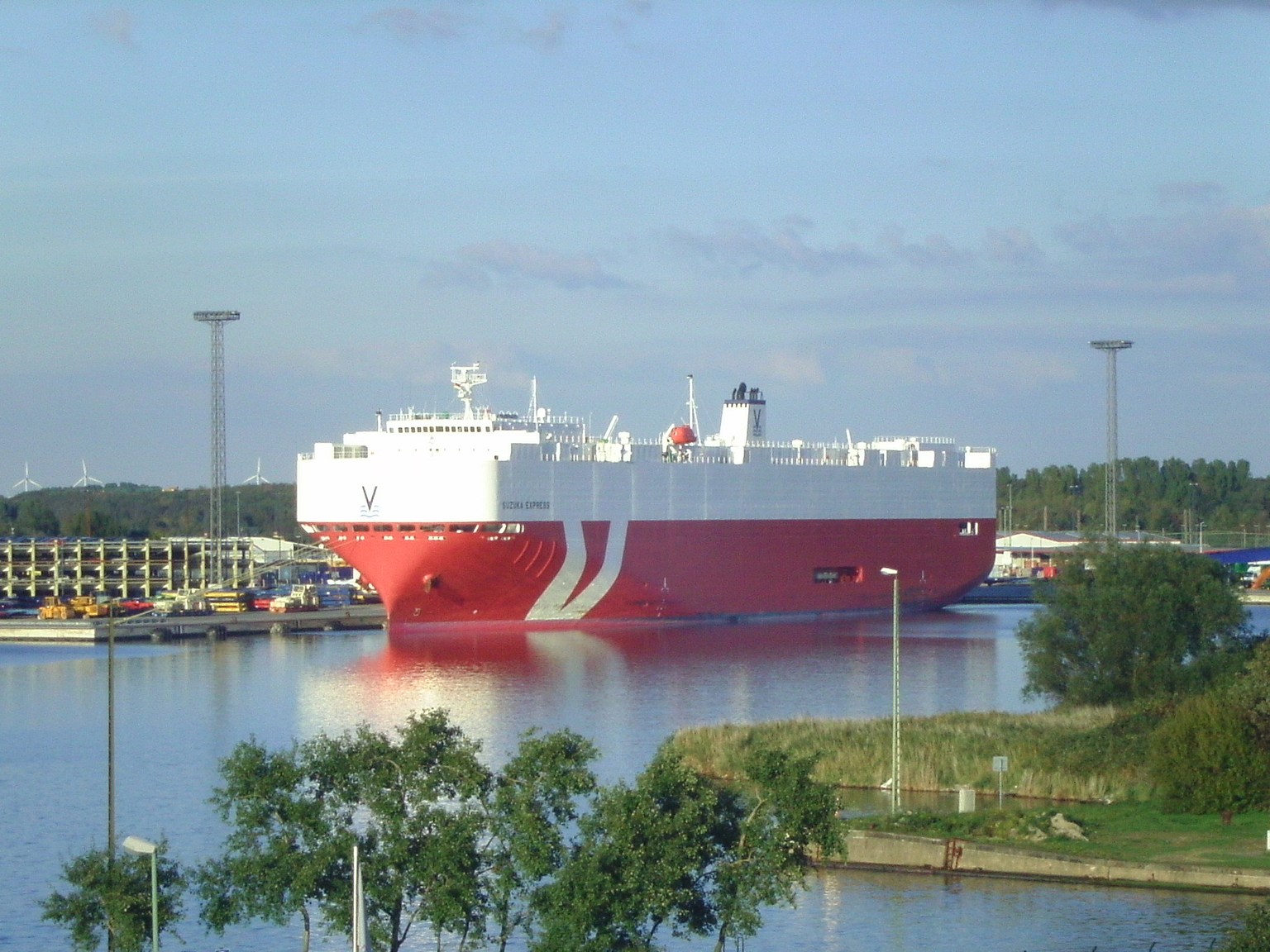
A vehicle spending weeks at sea between Japan and its destination country is exposed to real risk — rough weather, handling accidents during loading and unloading, and in rare cases genuinely serious incidents involving the vessel itself. Marine cargo insurance exists specifically to cover this exposure, and understanding how it actually works — what it covers, what it excludes, and the different coverage tiers available — is essential for any buyer importing a vehicle from Japan, whether you’re arranging it yourself or confirming what your exporter has already put in place. This guide explains the fundamentals.
📋 What You’ll Learn in This Guide
- What marine cargo insurance actually covers during a vehicle’s ocean transit
- The difference between Institute Cargo Clauses A, B, and C coverage tiers
- Why pre-existing damage typically isn’t covered by any tier
- Why a pre-loading condition report matters for any future claim
- How to confirm what coverage, if any, your exporter has already arranged
- Why This Coverage Matters Specifically for Vehicles
- Understanding the Institute Cargo Clauses Tiers
- Why Pre-Existing Damage Is Never Covered
- Deductibles and What They Mean Practically
- Who Actually Arranges This Coverage
- RoRo vs. Container Shipping: Does Coverage Differ?
- How Insured Value Is Determined
- Frequently Asked Questions
- Final Thoughts
Why This Coverage Matters Specifically for Vehicles
Standard shipping arrangements between an exporter and carrier typically include only limited, tightly capped liability for cargo loss or damage during transit — usually far below what a vehicle is actually worth. Marine cargo insurance is a separate, dedicated policy specifically covering the value of your cargo (the vehicle itself, in this case) against loss or damage during the voyage, and without it, a genuinely damaging incident during shipping could leave you facing a real financial loss that the shipping line’s own limited liability wouldn’t come close to covering. Given that an ocean voyage from Japan to many destination markets takes weeks, and involves multiple handling points (loading, potentially transshipment, and unloading) where damage risk concentrates, treating this coverage as optional is a genuine gamble most buyers shouldn’t take.
Understanding the Institute Cargo Clauses Tiers
Marine cargo insurance is typically structured around one of three standard coverage tiers known as the Institute Cargo Clauses, commonly labeled A, B, and C. Clause A, often marketed as “all-risks” coverage, provides the broadest protection, covering loss or damage from essentially any cause except a specific, defined list of exclusions (such as willful misconduct, inherent defects in the cargo itself, or war and strikes, which typically require separate additional coverage). Clause B offers narrower, named-risk coverage for a defined list of major events like fire, vessel sinking, collision, or specific weather-related damage, while Clause C, sometimes described as essentially “total loss only” coverage, protects against major catastrophic events but generally excludes many forms of partial damage that Clause A or B would cover. For a vehicle shipment specifically, Clause A coverage is generally the most appropriate choice given the vehicle’s typically significant value and the meaningfully broader protection it offers against the range of realistic partial-damage scenarios that can occur during transit.
💡 Tip
Don’t assume marine cargo insurance is automatically included in your exporter’s standard shipping quote — ask explicitly whether it’s included, and if so, which specific coverage tier (A, B, or C) and what the deductible amount is. If it’s not included by default, ask for a quote to add it, since the relatively modest cost of appropriate coverage is generally well worth it relative to the financial exposure of an uninsured vehicle during a multi-week ocean voyage.
Why Pre-Existing Damage Is Never Covered
Regardless of which coverage tier you select, marine cargo insurance covers damage or loss occurring during the covered transit period specifically — it doesn’t retroactively cover cosmetic issues, scratches, dents, or other damage that already existed on the vehicle before it was loaded for shipment. This is why a proper pre-loading condition report, documenting the vehicle’s exact condition immediately before shipment with photographs and detailed notes, is such an important part of the process: it establishes a clear baseline that both you and the insurer can reference if you later need to file a claim, distinguishing pre-existing condition from anything that happened during transit. Without this baseline documentation, you’re in a genuinely weaker position to substantiate that specific damage occurred during shipping rather than existing beforehand.
⚠️ Caution
Always inspect your vehicle carefully immediately upon arrival, before signing off on delivery or moving the vehicle from the port or receiving facility, and document any damage you find with photographs and written notes on the spot. Insurance claims for transit damage generally need to be filed within a specific timeframe after delivery, and delaying your inspection or failing to document damage promptly can genuinely jeopardize your ability to successfully claim against the policy, even for damage that clearly did occur during shipping.
Deductibles and What They Mean Practically
Marine cargo insurance policies typically include a deductible — a set dollar or currency amount of any claim that you’re responsible for covering yourself before the insurance pays out the remainder. This is standard practice across the insurance industry generally, not something unique to vehicle shipping, but it’s worth understanding the specific deductible amount on your policy before you need it, since a policy with a meaningfully high deductible relative to the likely scale of typical transit damage (a scratched bumper or minor dent, for instance) may leave genuinely modest claims essentially uncovered in practice even though the policy technically exists.
Who Actually Arranges This Coverage
In many standard export arrangements, your Japan-based exporter arranges marine cargo insurance on your behalf as part of the overall shipping package, though the specifics — whether it’s automatically included, offered as an optional add-on, or left entirely to the buyer to arrange independently — vary by exporter and by the specific shipping terms your transaction is structured under (a topic covered in more detail in the export contract terms guide elsewhere in this series). If your exporter doesn’t arrange it or you’re uncertain what’s included, independent marine cargo insurance can also be purchased directly from insurers specializing in this coverage, giving buyers a fallback option regardless of what their specific exporter offers.
RoRo vs. Container Shipping: Does Coverage Differ?
Whether your vehicle ships via RoRo (driven directly onto the vessel) or inside a shipping container, as covered in more detail elsewhere in this guide series, marine cargo insurance is available and appropriate for either method, though the specific risk profile differs somewhat between them. RoRo vehicles are more exposed to weather and general handling on open vessel decks during loading and voyage, while container-shipped vehicles are more protected from direct weather exposure but face different risks around loading and securing within the confined container space. Neither method is inherently uninsurable or dramatically riskier in a way that should change your decision to carry appropriate coverage — the core recommendation to carry Clause A-equivalent coverage for a vehicle of meaningful value applies regardless of which shipping method you choose.
How Insured Value Is Determined
The insured value declared on your marine cargo policy — the figure the insurer uses to calculate premiums and, ultimately, any total-loss payout — should accurately reflect the vehicle’s genuine value, typically based on the purchase price plus relevant shipping and associated costs up to that point, rather than an arbitrary or understated figure chosen to reduce the premium. Deliberately underinsuring a vehicle to save on premium cost is a false economy that can leave you significantly short of the funds needed to replace the vehicle in a genuine total-loss scenario, and insurers may also apply proportional reduction clauses in some policies that reduce claim payouts when a vehicle was knowingly underinsured relative to its actual value.
Frequently Asked Questions
Q: Is marine cargo insurance the same thing as the vehicle’s regular auto insurance in my home country?
A: No — these are entirely separate types of coverage. Marine cargo insurance covers the vehicle specifically during ocean transit as cargo, while your regular auto insurance policy in your destination country covers the vehicle once it’s registered and being driven on public roads there. You’ll need both at their respective stages, not one in place of the other.
Q: What happens if my vehicle is a total loss during shipping — do I get the full purchase price back?
A: Payout terms depend on the specific policy’s insured value declaration and terms, so this varies by policy rather than following one universal rule. Confirm exactly how insured value is determined and what a total loss payout would actually cover before you need to rely on it, ideally at the time you purchase the policy.
Q: Does marine cargo insurance cover the vehicle during inland transport before or after the ocean voyage itself?
A: This depends on the specific policy terms — some marine cargo policies extend coverage to include inland transit on either end of the voyage (sometimes called “warehouse to warehouse” coverage), while others cover only the ocean transit portion specifically. Confirm the exact scope of coverage explicitly rather than assuming either way.
Final Thoughts
Marine cargo insurance is a genuinely essential, often underappreciated part of importing a vehicle from Japan — the relatively modest cost of appropriate coverage is a reasonable price for protecting against the real financial exposure of a multi-week ocean voyage. Confirming exactly what coverage tier, deductible, and scope your exporter has arranged, or arranging appropriate coverage independently if they haven’t, and taking your pre-loading and post-arrival documentation seriously, together give you genuine protection rather than a false sense of security based on assumptions about what’s covered.
Image credit: Car carrier vessel “Suzuka Express” (Public domain), via Wikimedia Commons


コメント