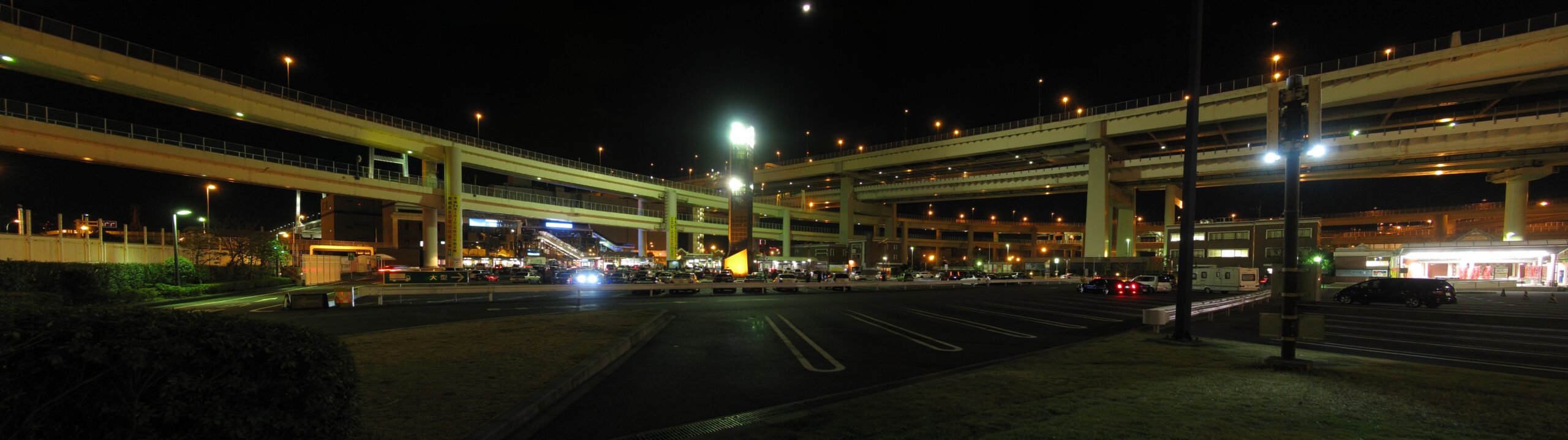
If you’ve spent any time researching JDM culture online, you’ve probably seen footage of Daikoku Parking Area — a sprawling lot beneath looping Yokohama expressway ramps where anything from a bone-stock kei car to a widebody Lamborghini might turn up on any given night. What’s less obvious from the outside is that these informal car meets operate under a real, if entirely unwritten, code of conduct, self-policed by the community itself rather than enforced by any official authority. Showing up without understanding that code is the fastest way to feel — or actually be — unwelcome. This guide explains how Japan’s car meet culture actually works and how to participate respectfully as a visitor.
📋 What You’ll Learn in This Guide
- Why Daikoku PA and similar spots became organic car meet destinations
- How self-policing actually works without any official organizer
- Noise, driving behavior, and photography etiquette specifics
- Why aggressive driving at a meet risks the venue for everyone
- How to approach your first Japanese car meet as an overseas visitor
- Why Expressway Parking Areas Became Meet Spots
- There Is No Organizer — And That’s the Point
- Noise and Driving Behavior: The Core Rules
- Photography Etiquette
- What Kind of Cars You’ll Actually See
- Timing and Practical Visiting Tips
- Beyond Daikoku and Tatsumi: A Nationwide Pattern
- Parking Lot Etiquette Beyond Organized Meets
- Frequently Asked Questions
- Final Thoughts
Why Expressway Parking Areas Became Meet Spots
Japan’s car meet culture largely centers on ordinary highway parking areas (PAs) and service areas rather than dedicated event venues, and this isn’t an accident of geography so much as a practical outcome of what these spaces actually offer: large, well-lit, legally accessible parking lots directly connected to the expressway network, open 24 hours, with no admission fee or formal booking required. Daikoku PA, connected to the Bayshore Route in Yokohama, became the most famous of these organic gathering spots largely through momentum and reputation — as more enthusiasts started showing up, it became the default answer to “where do I go to see JDM culture in person,” which in turn attracted more visitors in a self-reinforcing cycle that’s been running for years. Tatsumi PA, located more centrally within Tokyo itself, offers a comparable but generally smaller and more intimate alternative, particularly convenient for visitors without easy access to Yokohama.
There Is No Organizer — And That’s the Point
A defining feature of these gatherings is that they have no formal organizer, no entry fee, no guest list, and no official rules posted anywhere. Anyone can show up in any car at any time the PA is open, and the “event,” such as it is, exists purely because enough enthusiasts independently choose to be there on a given night, particularly weekend evenings. This makes the self-policing dynamic genuinely important: because there’s no security staff or official authority enforcing behavior standards specific to car culture, the community itself — through social pressure, reputation, and in extreme cases simply asking someone to stop — is what keeps these informal gatherings functioning smoothly enough that the facility operators continue tolerating them rather than shutting them down.
💡 Tip
If you’re visiting as a spectator rather than arriving in a notable car yourself, that’s completely normal and welcomed — a significant portion of any given night’s crowd at Daikoku or Tatsumi is enthusiasts and photographers who came specifically to look, not necessarily to show off their own vehicle. Arriving by taxi or public transport to a nearby point and walking in is a perfectly legitimate way to experience the scene without needing to rent or bring a car yourself.
Noise and Driving Behavior: The Core Rules
The most important unwritten rules concern noise and driving behavior within the lot itself. Sustained, excessive engine revving purely for show — as opposed to a brief, incidental rev when starting or moving a car — is broadly considered disrespectful and has, at various points, drawn direct police attention to these gathering spots. Even more seriously, any burnouts, drifting, or aggressive driving within the parking area itself is treated as a serious breach that risks the venue for everyone present, not just the individual driver, since facility operators and police response to this kind of behavior can result in a lot being temporarily or permanently closed to the entire car meet community as a consequence of one person’s actions. This collective-consequence dynamic is a major part of why the community self-polices so actively — a single reckless driver genuinely threatens something the whole community values.
⚠️ Caution
Do not treat a car meet parking area as anything resembling a racetrack or drift venue. These are functioning public expressway rest facilities, still used by ordinary drivers needing a legitimate rest stop, and any dangerous driving within them is both a genuine safety hazard to other people present and a direct threat to whether the gathering continues to be tolerated at all. Reckless behavior at these spots has led to real police crackdowns and periods of closure in the past — a consequence that falls on the entire community, not just whoever behaved badly.
Photography Etiquette
Photography is a huge part of the culture at these meets, but it comes with real etiquette expectations that are easy for a visitor to overlook. Ask before photographing someone’s privately owned car up close, particularly if it would clearly include the owner, other identifiable people, or a clearly readable license plate in frame — car owners who’ve invested significant time and money into a build are generally happy to have their car appreciated and photographed, but being asked first rather than having a stranger’s camera pointed at them without acknowledgment is a basic courtesy that goes a long way. Keep your voice and any music at a reasonable volume, don’t crowd around a car in a way that blocks the owner or other attendees from viewing it, and be mindful that you’re in a shared space that other people are also trying to enjoy, not a private photo studio arranged for your convenience.
What Kind of Cars You’ll Actually See
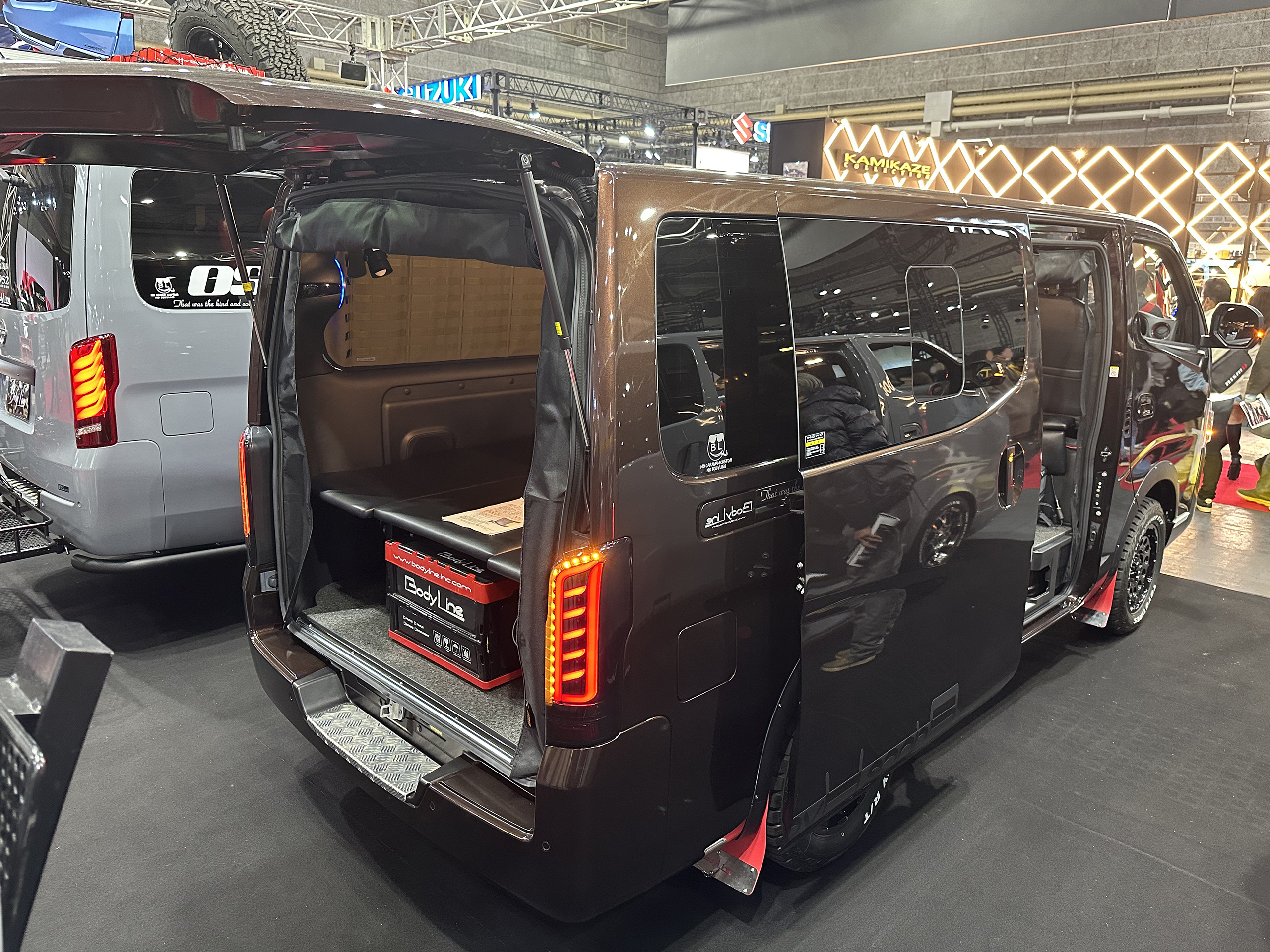
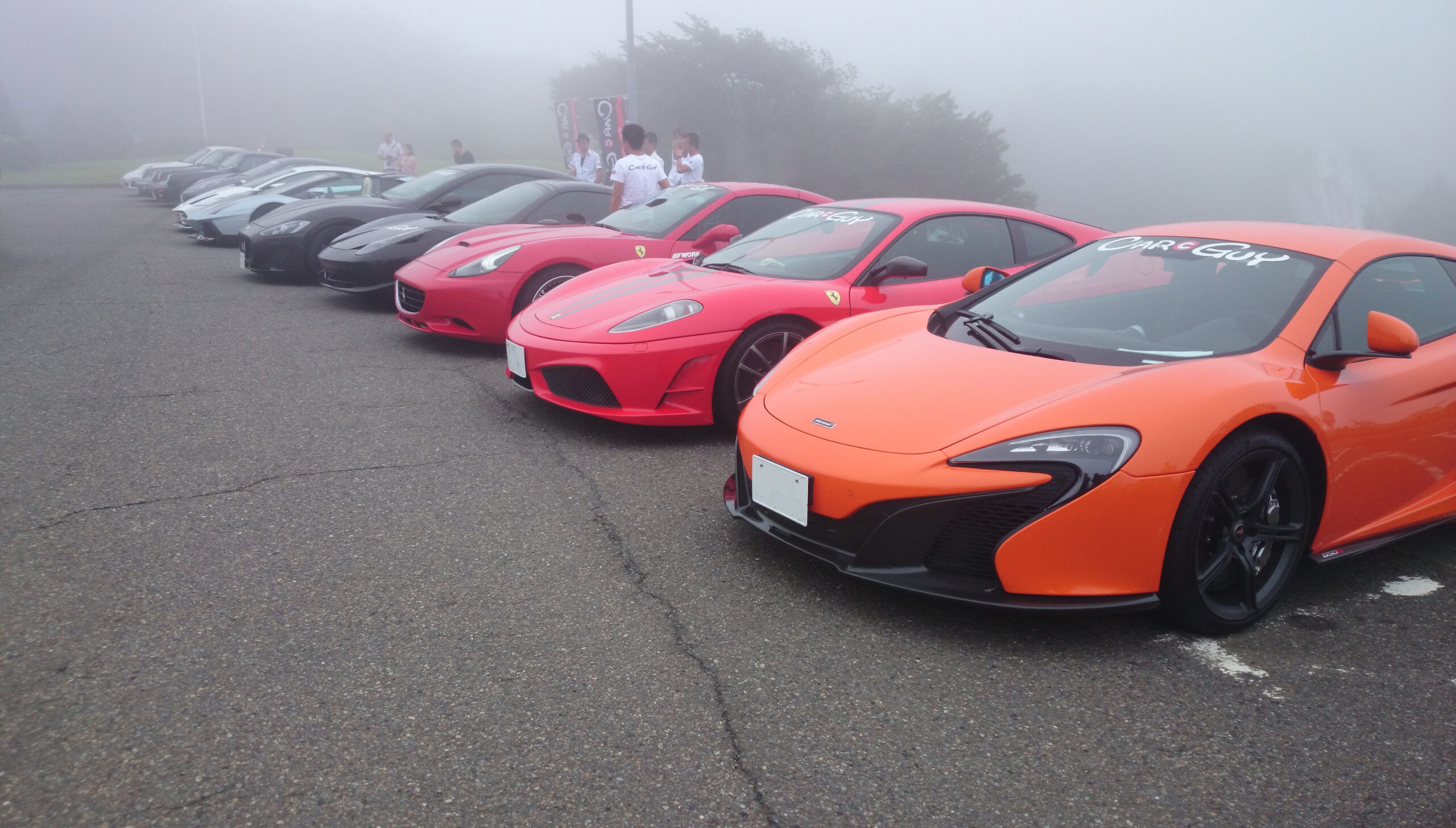
One of the most appealing aspects of these gatherings for overseas visitors is the sheer diversity on display — a single night can include anything from a completely stock kei car whose owner simply enjoys the community, to meticulously restored classic JDM icons, to heavily modified widebody builds, to genuinely exotic European supercars whose owners have adopted the same gathering spots as everyone else. This diversity reflects the genuinely inclusive, non-hierarchical nature of the scene at its best — there’s no formal barrier to entry based on what you drive, and plenty of longtime attendees will tell you the community values genuine enthusiasm over having the most expensive or extreme build in the lot.
Timing and Practical Visiting Tips
Weekend evenings, particularly Friday and Saturday nights, tend to draw the largest and most active crowds at spots like Daikoku and Tatsumi, though activity level varies night to night and isn’t governed by any fixed, published schedule since there’s no formal event structure to schedule in the first place. If you’re specifically hoping to see a busy night, arriving reasonably early in the evening and simply observing how the crowd builds is a more reliable strategy than assuming any specific time guarantees a specific level of activity, since these are genuinely organic, unscheduled gatherings that can vary considerably based on weather, season, and simple chance.
Beyond Daikoku and Tatsumi: A Nationwide Pattern
While Daikoku and Tatsumi are the two most internationally famous examples, the underlying pattern — enthusiasts organically gathering at well-lit, accessible parking areas near major expressways — repeats in various forms across other regions of Japan, each with its own local reputation and regular crowd, even if none has achieved quite the same international name recognition. This is worth understanding as a broader cultural pattern rather than something unique to just those two specific locations: if you’re traveling outside the Tokyo-Yokohama area and want to find a similar local scene, searching for car meet activity specific to your region, or simply asking local enthusiasts, will often turn up a comparable, if smaller and less internationally documented, gathering spot with the same basic unwritten etiquette code applying.
Parking Lot Etiquette Beyond Organized Meets
The core etiquette principles covered here — respecting noise levels, not blocking others’ space or view, asking before close-up photography of someone’s personal property, and never treating a shared lot as a performance stage — extend naturally beyond dedicated car meet spots to any shared parking situation in Japan where car enthusiasts might congregate informally, from a popular scenic overlook to a well-known dealership or specialty shop’s customer lot. Treating these same principles as a general default whenever you find yourself around a notable concentration of interesting cars in Japan, rather than only at the specific famous spots covered in car culture media, will serve you well regardless of exactly where you encounter the scene.
Frequently Asked Questions
Q: Do I need to drive an impressive car to be welcome at these meets?
A: No — plenty of attendees come purely as spectators and photographers, arriving on foot or by public transport, and this is a completely normal and accepted way to participate in the scene. Genuine enthusiasm and respectful behavior matter far more to the community than what, if anything, you personally drive.
Q: Is it safe to visit these parking area car meets as a tourist at night?
A: These are well-lit, publicly accessible facilities with regular police presence given their expressway location, and the community itself generally polices against genuinely dangerous behavior for the reasons explained above. As with any unfamiliar environment, ordinary situational awareness and common sense apply, but there’s nothing inherently unsafe about visiting respectfully as an observer.
Q: Can I bring a rental car to one of these meets?
A: There’s no rule against arriving in a rental car, though be mindful that an unremarkable rental sedan won’t draw the kind of attention a notable JDM car would, and that’s completely fine — many attendees are there to look and socialize regardless of what they personally drove there.
Final Thoughts
Japan’s car meet culture at spots like Daikoku PA and Tatsumi PA offers something genuinely rare: an unscripted, self-organizing gathering built entirely on shared enthusiasm and mutual respect rather than formal event structure. Understanding and following the community’s unwritten rules around noise, driving behavior, and photography isn’t just about avoiding awkwardness — it’s what keeps these spaces open and welcoming for everyone, visitors included.
Image credit: Daikoku Parking Area by Aimaimyi (CC BY-SA 3.0), via Wikimedia Commons

コメント