Behind every overseas buyer’s smooth JDM import experience sits a Japan-based exporter who’s navigated a genuinely specific set of licensing and regulatory requirements most casual observers never think about. Becoming a legitimate car exporter in Japan isn’t simply a matter of buying cars at auction and shipping them overseas — it requires a specific business license most people haven’t heard of, appropriate business premises, and compliance with both Japanese domestic regulations and the export procedures themselves. This guide walks through what’s actually involved in setting up a licensed used car export business in Japan.
📋 What You’ll Learn in This Guide
- Why buying used cars for export requires a secondhand dealer license
- The application process through your local police station
- Physical business premises requirements you can’t work around with a virtual office
- The registration deletion process required before actually exporting a vehicle
- Why professional legal consultation is genuinely worth the cost here
- The Core License: Kobutsusho (Secondhand Dealer License)
- How the Application Process Actually Works
- Physical Business Premises Requirements
- Appointing a Responsible Manager
- The Vehicle Export Process Itself
- Why This Matters for Overseas Buyers Too
- Record-Keeping and Ongoing Compliance Obligations
- Frequently Asked Questions
- Final Thoughts
The Core License: Kobutsusho (Secondhand Dealer License)
Anyone buying and reselling used goods in Japan, including used cars, as a business activity is legally required to hold a secondhand dealer license, commonly referred to by its Japanese name, kobutsusho (古物商). This applies regardless of whether the eventual buyer is domestic or overseas — the license requirement is triggered by the act of commercially buying and reselling used vehicles within Japan, and exporting the car afterward doesn’t exempt you from needing it. This is arguably the single most important piece of regulatory reality for anyone considering entering the JDM export business: you cannot legally source cars at auction or from dealers for commercial resale purposes without this license in place first.
How the Application Process Actually Works
The kobutsusho license application is submitted to the police station (specifically the public safety division) that has jurisdiction over your registered business location, not a national-level agency — this is a locally administered licensing system despite governing what’s ultimately a nationwide business activity. The application involves a formal fee (commonly cited in the range of around 19,000 yen, though exact fees can be adjusted over time and should be confirmed with the specific jurisdiction), submission of required documentation about the business and its responsible manager, and a processing period that commonly runs somewhere in the range of one to two months from application to approval, meaning this isn’t something to leave until the last minute if you’re planning a specific business launch timeline.
💡 Tip
Given the genuine legal and procedural complexity involved — particularly for a non-Japanese speaker or someone unfamiliar with Japanese administrative processes — consulting with a specialized administrative scrivener (gyoseishoshi) or business attorney experienced specifically in kobutsusho licensing before you begin is generally a worthwhile investment rather than an unnecessary expense. These specialists can help you avoid the kind of documentation errors or premises issues that could delay or derail an application, and their fees are typically modest relative to the cost of a failed or significantly delayed license application.
Physical Business Premises Requirements
A genuinely important practical constraint: Japanese authorities generally require documented evidence of an actual physical business location, including appropriate storage or parking space for vehicles, as part of the kobutsusho application. Relying on a virtual office, a shared co-working space, or a residential address without appropriate storage capability tends to create real difficulty obtaining approval, since regulators want assurance that you have a genuine, functioning place of business rather than existing purely on paper. This requirement has real practical implications for how you structure your business from the outset — you’ll generally need to secure appropriate commercial or storage premises before or during the application process, not as an afterthought once the license is already granted.
Appointing a Responsible Manager
The license application requires designating a responsible manager for the business — this can be the applicant themselves if operating as a sole proprietor, or a designated full-time employee if operating through a corporate structure. This manager role carries real legal responsibility for the business’s compliance with secondhand dealer regulations, and changes to who holds this role typically require notifying the licensing authority rather than being an informal internal matter, so this isn’t a purely nominal designation to be assigned without genuine consideration of who will actually be accountable for regulatory compliance going forward.
⚠️ Caution
If you’re planning to establish a corporate entity specifically for a used car export business, get licensing guidance before finalizing your corporate structure and business scope documentation, not after. Certain business structure decisions made at incorporation can create unexpected obstacles to obtaining kobutsusho licensing later, and unwinding an already-established corporate structure to fix a licensing problem is considerably more costly and time-consuming than getting appropriate guidance up front.
The Vehicle Export Process Itself
Beyond the business licensing requirement, actually exporting a specific registered vehicle involves its own separate procedural step: applying for registration deletion (抹消登録) and obtaining the corresponding certificate from Japan’s Ministry of Land, Infrastructure, Transport and Tourism before the vehicle can be legally exported. This deregistration process removes the car from Japan’s domestic vehicle registration system, confirming it’s genuinely leaving the country’s road registration framework rather than simply changing hands within it, and the resulting certificate is generally required as part of the customs export documentation covered in more detail elsewhere in this guide series.
Why This Matters for Overseas Buyers Too
Understanding this licensing landscape isn’t purely academic for overseas buyers working with a Japanese exporter — it’s a genuine due diligence signal. A legitimate, properly licensed exporter operating from a real business premises with appropriate documentation represents meaningfully lower risk than an unlicensed operator working informally, since a properly licensed business has both a real regulatory track record and genuine accountability to Japanese authorities that an informal operation simply doesn’t have. When evaluating a potential Japanese export partner, confirming their kobutsusho license status and physical business location is a reasonable and increasingly common piece of buyer due diligence, not an unusual or excessive request.
Record-Keeping and Ongoing Compliance Obligations
Holding a kobutsusho license isn’t a one-time achievement that then requires no further attention — licensed secondhand dealers in Japan are subject to ongoing record-keeping obligations, including maintaining transaction records that document who vehicles were purchased from, verification of the seller’s identity, and similar documentation designed primarily to prevent the secondhand goods trade from becoming a channel for stolen property. These aren’t unique burdens invented for car exporters specifically; they reflect Japan’s broader secondhand goods dealer regulatory framework, which covers everything from electronics to jewelry to vehicles under a shared regulatory logic. For a working export business, building proper record-keeping practices into your standard purchasing workflow from day one is far easier than trying to reconstruct compliant documentation after the fact if your business is ever subject to an inspection or audit.
Frequently Asked Questions
Q: Can a foreign national or foreign-owned company obtain a kobutsusho license in Japan?
A: Generally yes, though specific requirements around residency status, corporate structure, and documentation can add complexity beyond what a Japanese national or wholly domestic company would face. Consulting a specialist familiar with foreign-owned business licensing in Japan is particularly worthwhile in this scenario given the added layers of documentation typically involved.
Q: Do I need the kobutsusho license if I’m only exporting my own personal vehicle, not running a business?
A: A single, genuinely personal export of your own vehicle for non-commercial purposes is a fundamentally different situation than commercial buying and reselling, and the licensing requirement is specifically triggered by commercial secondhand dealing activity. If you’re uncertain whether your specific situation counts as commercial activity, confirming directly with the relevant licensing authority or a qualified professional is the safest approach rather than assuming either way.
Q: How long does the entire process take from deciding to start an export business to actually being able to buy cars legally?
A: Between securing appropriate business premises, preparing and submitting license documentation, and the one-to-two-month typical processing period, realistically budgeting several months from initial planning to being fully operational is a reasonable expectation, though individual timelines vary based on how quickly premises and documentation can be arranged.
Final Thoughts
Becoming a licensed car exporter in Japan involves genuine regulatory infrastructure — the kobutsusho secondhand dealer license, real business premises, a designated responsible manager, and the separate vehicle-specific export deregistration process — that’s easy to underestimate from outside the country. Whether you’re considering entering this business yourself or simply trying to evaluate whether a Japanese exporter you’re working with is operating legitimately, understanding this licensing framework gives you a genuinely useful lens for assessing legitimacy in an industry where informal operators do exist alongside properly licensed ones.
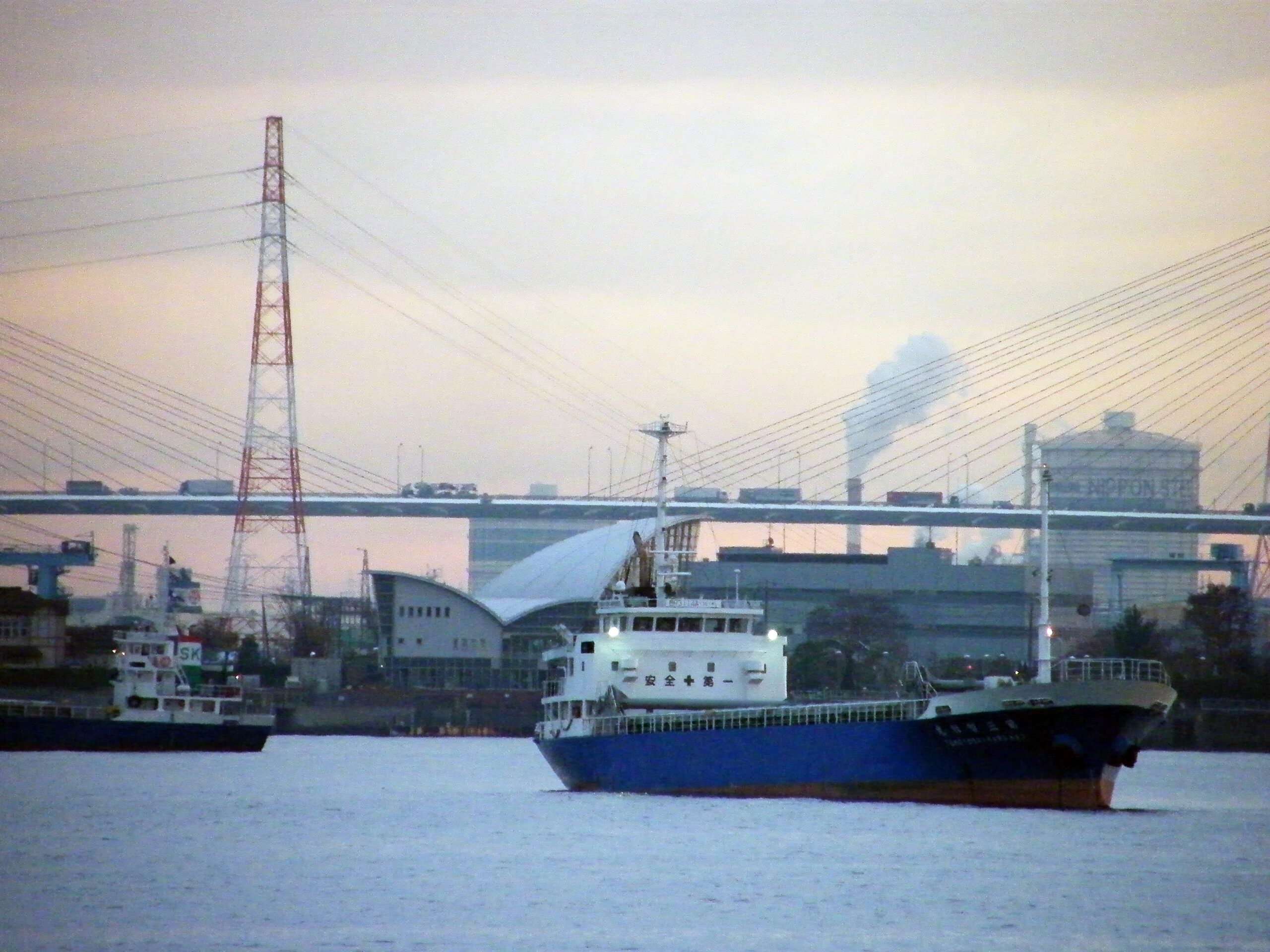
Image credit: Nagoya Port by Emran Kassim (CC BY 2.0), via Wikimedia Commons

コメント