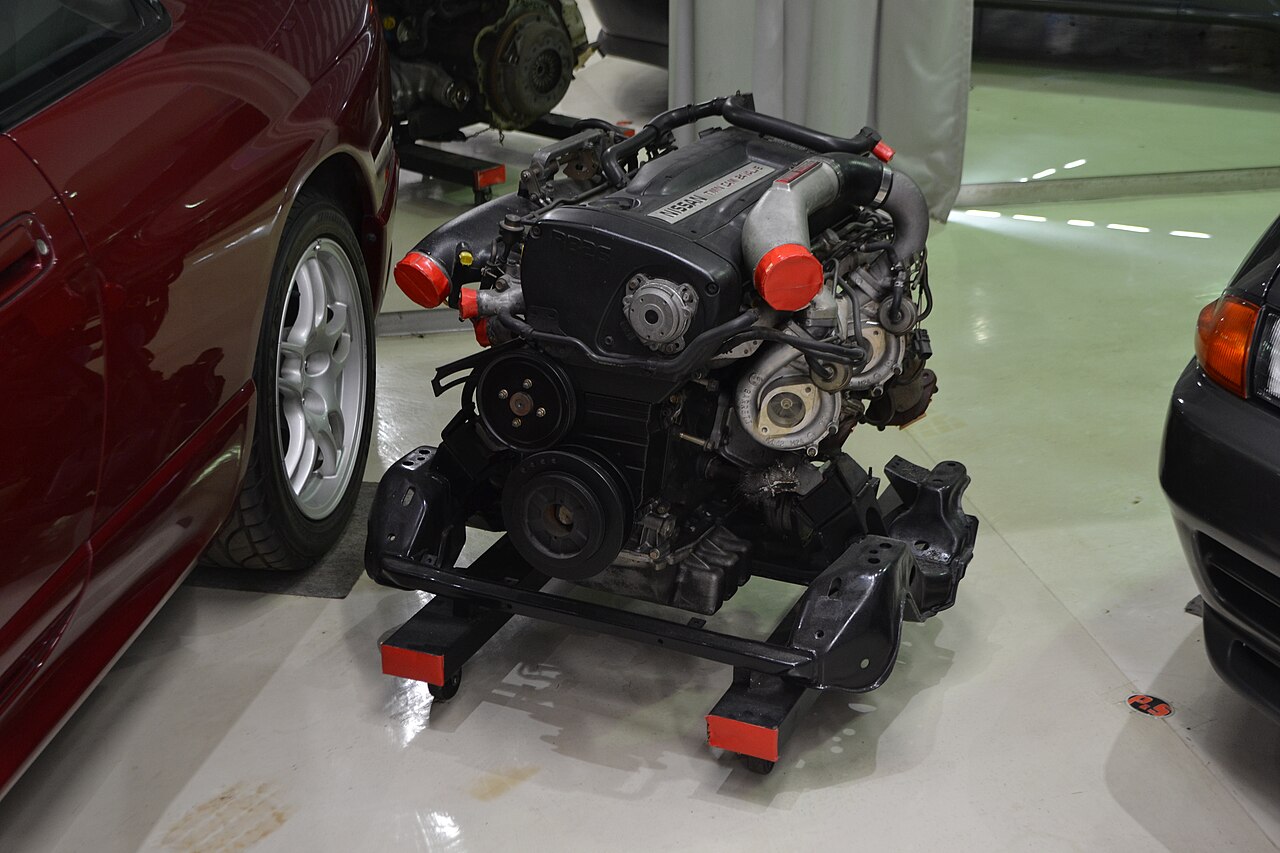
Not every JDM enthusiast wants — or can legally import — an entire vehicle. A genuinely significant portion of JDM import activity instead centers on sourcing specific engines, half-cuts, and individual components separately, whether to build an engine swap, restore an existing vehicle, or source parts unavailable domestically. This guide covers how this specific sourcing process actually works and the regulatory considerations involved.
📋 What You’ll Learn in This Guide
- What “half-cuts” are and why they’re a common JDM parts sourcing format
- The key components beyond the engine itself needed for a genuine swap
- Why many desirable JDM engines lack destination-country emissions certification
- How age-based exemptions can affect engine and parts import legality
- Practical quality assurance steps in the engine import process
- Understanding Half-Cuts as a Sourcing Format
- Key Components Beyond the Engine Itself
- The Emissions Certification Gap
- Age-Based Exemptions: A Country-Specific Consideration
- Practical Quality Assurance Steps
- Working With an Experienced Customs Broker
- Why Engine Swaps Remain Genuinely Popular Despite the Complexity
- Documentation to Request Before Purchase
- Frequently Asked Questions
- Final Thoughts
Understanding Half-Cuts as a Sourcing Format
JDM parts sourcing frequently centers on what’s known as a “half-cut” — the front or rear section of a donor vehicle, including the engine, front-end sheet metal, wiring harness, and related components, cut and shipped as a single connected unit rather than as fully disassembled individual parts. This half-cut format genuinely offers real practical advantages for engine swap projects specifically, since it preserves the correct factory wiring connections and component relationships intact, considerably reducing the risk of missing or mismatched parts compared to sourcing individual components separately from potentially different donor vehicles.
Key Components Beyond the Engine Itself
A genuinely complete engine swap package requires considerably more than just the bare engine block — critical additional components include the intake manifold, exhaust manifolds, valve cover gaskets, the air conditioning compressor, and, genuinely essential for proper operation, the complete wiring harness and any dedicated swap kit components designed to bridge the donor engine’s electrical and mechanical systems with the destination vehicle. Confirming a specific engine sourcing deal genuinely includes all these necessary supporting components, rather than just the engine block alone, matters considerably for avoiding costly gaps discovered only after the parts have already arrived.
💡 Tip
Before finalizing any engine sourcing purchase, create an explicit checklist of every specific component your planned swap actually requires — intake and exhaust manifolds, wiring harness, ECU, mounts, and any swap-kit-specific hardware — and confirm against the seller exactly which of these items are genuinely included versus which you’ll need to separately source. This upfront clarity genuinely prevents the common, costly experience of receiving a bare engine and then discovering multiple additional components still need to be sourced separately afterward.
The Emissions Certification Gap
Many genuinely desirable JDM engines were never certified for sale or emissions compliance within destination markets like the United States, meaning they never underwent the formal certification testing process required for legal on-road emissions compliance in that specific market. This lack of formal certification doesn’t automatically make sourcing or using such an engine illegal, but it genuinely shifts the burden of proof onto the buyer or installer to demonstrate the specific engine’s compliance status through whatever legal pathway applies in their specific jurisdiction, rather than the engine coming with straightforward, pre-established compliance documentation.
Age-Based Exemptions: A Country-Specific Consideration
Some destination markets, including the United States, maintain age-based exemptions from certain federal emissions standards — vehicles and, by extension in some interpretations, their engines, that reach a certain age threshold become exempt from standards that would otherwise apply to a newer equivalent. However, this specific exemption structure, its exact age threshold, and how it applies to individual engine sourcing rather than whole-vehicle import varies considerably by country, meaning buyers genuinely cannot assume rules understood for one specific destination market automatically apply unchanged to a different country’s regulatory framework.
⚠️ Caution
Don’t assume emissions compliance and age-exemption rules that apply to whole-vehicle JDM imports automatically apply identically to standalone engine or parts imports in your specific country — engine and parts sourcing can genuinely fall under different regulatory categories with different specific requirements than complete vehicle import, so confirming current, specific rules for standalone engine sourcing in your destination country and locality, rather than assuming whole-vehicle import rules simply transfer over, is essential before committing to a purchase.
Practical Quality Assurance Steps
Reputable JDM engine and parts sourcing genuinely involves a structured quality assurance process, including vehicle or engine inspection, compression testing to verify genuine mechanical health, and mileage verification to confirm the engine’s actual represented usage history rather than simply trusting a stated figure without independent confirmation. Buyers should genuinely request documentation of these specific quality checks before committing to a purchase, treating this verification process with the same seriousness applied to whole-vehicle purchases covered in earlier guides in this series, rather than assuming a lower price point justifies skipping these steps.
Working With an Experienced Customs Broker
For buyers navigating the genuinely more complex regulatory landscape standalone engine and parts import can involve, working with a customs broker who has genuine specific experience with automotive parts, rather than general import experience alone, can meaningfully expedite necessary regulatory filings and help avoid genuine port delays that a less experienced broker might not anticipate or handle efficiently. This specialized expertise matters particularly for engines and parts that fall into the specific emissions certification gap covered above, where correctly navigating the applicable compliance documentation genuinely requires specific, relevant experience rather than general familiarity with import procedures alone.
Why Engine Swaps Remain Genuinely Popular Despite the Complexity
Despite the genuine regulatory and logistical complexity covered throughout this guide, JDM engine swaps remain genuinely popular among enthusiasts specifically because certain donor engines offer a combination of performance potential, aftermarket support, and relative sourcing availability that’s difficult to replicate through other means, particularly for platforms where the factory engine option was considerably less capable than what Japan’s domestic market received. This continued popularity reflects a genuine cost-benefit calculation many enthusiasts make: the added complexity of standalone engine sourcing and installation is worth accepting for access to a specific engine’s genuine performance characteristics and established aftermarket ecosystem.
Documentation to Request Before Purchase
Beyond the compression testing and mileage verification covered above, genuinely thorough buyers should request documentation including the specific donor vehicle’s original registration or auction history where available, clear photos or video of the engine both installed in its donor vehicle and after removal, and explicit written confirmation of exactly which supporting components are included in the sale. This documentation request mirrors the same due diligence principles covered for whole-vehicle purchases in earlier guides in this series, applied specifically to the standalone engine and parts sourcing context where the stakes are just as real.
Image credit: Nissan RB26DETT engine (CC0), via Wikimedia Commons
Frequently Asked Questions
Q: Is sourcing a standalone JDM engine genuinely cheaper than importing a complete donor vehicle?
A: Relative cost comparisons between standalone engine sourcing and complete vehicle import depend heavily on the specific engine, vehicle, and destination market involved, so calculating actual total costs, including all necessary supporting components and applicable import fees, for both approaches is more reliable than assuming one option is universally cheaper across every situation.
Q: How long does standalone JDM engine sourcing and shipping typically take?
A: Shipping and import timelines for standalone JDM engines vary by specific sourcing method, shipping arrangement, and destination country’s customs processing, so confirming current expected timelines directly with a specific seller or broker gives a more accurate picture than assuming a fixed universal timeline applies to every shipment.
Q: Do all JDM engine sourcing companies provide the same quality assurance documentation?
A: No — the specific quality assurance process, documentation, and verification standards genuinely vary meaningfully by seller, so confirming exactly what inspection, testing, and verification documentation a specific seller actually provides, rather than assuming uniform industry standards apply across every business, is worthwhile before committing to a purchase.
Final Thoughts
Sourcing JDM engines and parts separately from a complete vehicle offers genuine flexibility for engine swap projects, restoration work, and parts sourcing more broadly, but it comes with its own genuinely distinct set of considerations — from half-cut sourcing logistics and complete component checklists to the emissions certification gap and country-specific regulatory frameworks covered throughout this guide. Approaching this specific sourcing path with the same careful verification and regulatory diligence as a complete vehicle import gives the strongest foundation for a genuinely successful project, whatever specific engine or platform combination a builder ultimately has in mind.

.jpg)
コメント