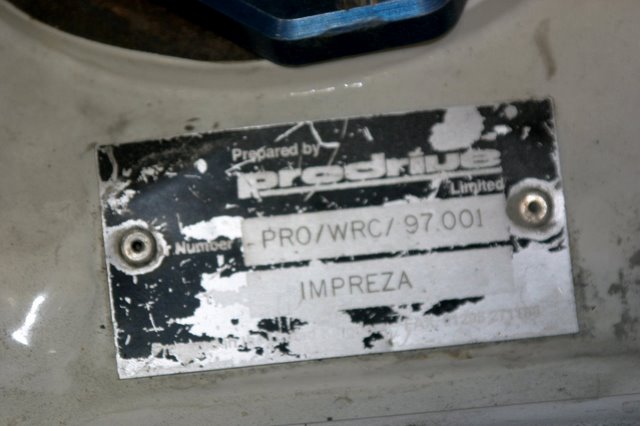
While WRC Rally Japan (covered in more detail elsewhere in this guide series) represents Japan’s brief but genuine chapter within the World Rally Championship’s international calendar, a separate, longer-running domestic championship has quietly developed its own dedicated community of drivers, teams, and events across the country: the JAF All Japan Rally Championship. Organized by the Japan Automobile Federation, this domestic series has produced genuine international talent, including Japan’s first FIA world rally champion. This guide explains how it actually works.
📋 What You’ll Learn in This Guide
- What the JAF All Japan Rally Championship actually is and who organizes it
- The series’ multi-class competitive structure
- How Toshihiro Arai became Japan’s first FIA world rally champion
- The regional rally events that make up the championship calendar
- How the domestic series relates to WRC Rally Japan
- A JAF-Organized Domestic Championship
- A Multi-Class Competitive Structure
- Toshihiro Arai: Japan’s First FIA World Rally Champion
- A Genuine Local Hero at Rally Hokkaido
- The Regional Rally Events Making Up the Calendar
- How This Series Relates to WRC Rally Japan
- The Cars Historically Associated With Japanese Rally Success
- Grassroots Participation and Amateur Competitors
- Frequently Asked Questions
- Final Thoughts
A JAF-Organized Domestic Championship
The All Japan Rally Championship, commonly abbreviated JRC, operates under the sanctioning authority of the Japan Automobile Federation (JAF) — the same national motorsport governing body responsible for sanctioning circuit racing series and issuing competition licenses across Japan’s broader motorsport landscape. This JAF sanctioning gives the series genuine official standing within Japan’s national motorsport governance structure, distinct from WRC Rally Japan’s separate relationship with the FIA’s international World Rally Championship calendar, even though both ultimately serve the same broader Japanese rally enthusiast community in different competitive contexts.
A Multi-Class Competitive Structure
The championship features multiple competitive classes, commonly designated with a “JN” prefix (JN1 through at least JN6, based on documented recent competition results), accommodating a genuine range of vehicle specifications and driver experience levels within the same overall championship rather than forcing every competitor into a single uniform category. The JN3 class specifically, for example, has featured naturally aspirated 1.5-liter machines including the Mazda Demio and Toyota Vitz, illustrating how the series’ class structure spans from more accessible, lower-powered entry categories up through more serious, higher-performance competitive classes within the same broader championship framework.
💡 Tip
If you’re researching the All Japan Rally Championship’s specific class regulations and technical requirements, note that these details are genuinely subject to periodic revision as the series evolves, and specific class specifications documented at any given point shouldn’t be assumed to remain permanently fixed. Checking current, up-to-date JAF documentation directly is the most reliable way to confirm exact class rules for any specific competitive season you’re researching.
Toshihiro Arai: Japan’s First FIA World Rally Champion
Among the drivers to emerge from Japan’s domestic rally scene, Toshihiro Arai holds a genuinely landmark distinction: after competing for the Subaru World Rally Team across multiple World Rally Championship categories through the late 1990s and early 2000s, Arai established his own team, Subaru Team Arai, in 2004, and went on to win the FIA Production Car World Rally Championship for Drivers in both 2005 and 2007 driving a Subaru Impreza WRX STI — becoming the first Japanese driver ever to claim an FIA world championship title. This achievement represents genuine, documented validation that Japan’s domestic rally development pathway, including the All Japan Rally Championship covered in this guide, can produce drivers capable of competing successfully at the very highest international level.
A Genuine Local Hero at Rally Hokkaido
Beyond his international championship success, Arai has built a particularly strong reputation specifically at Rally Hokkaido, one of the All Japan Rally Championship’s notable regional events, winning the event six times across his career — a genuinely dominant record at a single specific rally that reflects both his exceptional talent and the deep, sustained connection elite domestic rally drivers often build with specific regional events on the national calendar. This kind of driver-event relationship, where a specific competitor becomes closely associated with dominating a particular regional rally over many years, is a genuinely common and celebrated pattern within rally culture generally, and Arai’s Rally Hokkaido record stands as a notable Japanese example of this broader phenomenon.
⚠️ Caution
Don’t confuse the domestic All Japan Rally Championship with WRC Rally Japan, covered elsewhere in this guide series — while both involve rally competition within Japan, they represent genuinely separate competitive structures with different sanctioning bodies, different competitive calendars, and generally different competitor fields, even though some elite drivers and teams may have involvement across both. Researching either series specifically requires being clear about which one you’re actually referring to, since conflating them risks real confusion about specific results, history, and competitive structure.
The Regional Rally Events Making Up the Calendar
The All Japan Rally Championship’s season calendar spans multiple regional rally events held across different parts of Japan throughout the competitive year, including events like Rally Hokkaido, Rally Tango, and the Kumakogen Rally, among others, each contributing championship points toward the overall national title across the various competitive classes. This regional event structure — a rotating calendar of distinct rallies held in different parts of the country rather than a fixed, single venue — reflects standard practice for national rally championships generally, giving the series genuine geographic reach across Japan while allowing each individual event to develop its own distinct local character, terrain challenges, and regional fan following over time.
How This Series Relates to WRC Rally Japan
While the All Japan Rally Championship and WRC Rally Japan operate as genuinely distinct competitive structures, they exist within the same broader Japanese rally ecosystem and community, and success or experience gained within the domestic championship can serve as a genuine pathway toward eventual international rally competition, much as Toshihiro Arai’s career trajectory demonstrates. Understanding both the domestic championship and the international WRC event as related but separate parts of Japan’s overall rally landscape, rather than assuming they’re simply different names for the same competition, gives a more accurate picture of how Japanese rally competition actually functions across both domestic and international levels.
The Cars Historically Associated With Japanese Rally Success
Japanese rally competition, both domestically and internationally, has historically drawn heavily on the same all-wheel-drive turbocharged performance platforms celebrated throughout enthusiast circles worldwide — the Subaru Impreza WRX STI and Mitsubishi Lancer Evolution, both covered in detail elsewhere in this guide series, represent the two most iconic rally-bred platforms associated with Japanese manufacturer rally success across multiple decades and competitive contexts. Understanding these road cars’ genuine rally homologation origins, much like the Celica GT-Four’s own WRC homologation history covered elsewhere in this guide series, adds real context to why these specific models earned such devoted enthusiast followings extending well beyond their factory rally teams’ own direct competitive involvement.
Grassroots Participation and Amateur Competitors
Much like Super Taikyu’s grassroots endurance racing character covered elsewhere in this guide series, the All Japan Rally Championship’s lower and middle competitive classes accommodate genuine grassroots and amateur participation alongside its more elite, professionally supported competitors, reflecting a broader pattern common across national rally championships internationally where a genuine range of competitive ambition and budget levels can find an appropriate class within the same overall series structure. This accessibility is a meaningful part of what sustains rally competition’s broader popularity in Japan, giving passionate amateur competitors a genuine pathway into organized, sanctioned competitive rally driving rather than the sport remaining exclusively accessible to factory-backed professional teams.
Frequently Asked Questions
Q: Can international drivers compete in the All Japan Rally Championship?
A: The series is primarily a domestic Japanese championship, though rally competitions generally can and sometimes do accommodate international entries depending on specific event and series regulations. Confirming current entry eligibility directly with JAF or specific event organizers is the most reliable way to determine this for any particular competitive season.
Q: What kinds of cars typically compete across the JN class structure?
A: The classes span a genuine range from more modest naturally aspirated compact cars in lower classes up through more serious, higher-performance rally-prepared vehicles in higher classes, broadly following the same kind of multi-tier structure common across national rally championships internationally, though exact vehicle eligibility varies by specific class and current regulations.
Q: Is the All Japan Rally Championship covered by international motorsport media?
A: Coverage is generally more limited and domestically focused compared to WRC Rally Japan’s international broadcast presence, reflecting the series’ primarily domestic competitive scope, though dedicated rally enthusiast media and specialist publications do provide coverage for those specifically interested in following the series.
Final Thoughts
The JAF All Japan Rally Championship represents a genuine, sustained domestic rally competition ecosystem operating alongside Japan’s more internationally visible WRC involvement, with its own multi-class structure, regional event calendar, and track record of producing genuine international talent exemplified by Toshihiro Arai’s landmark FIA world championship victories. Understanding this domestic championship as a distinct, legitimate part of Japan’s broader rally culture gives real additional depth to appreciating the country’s complete motorsport landscape beyond its more internationally publicized racing series.
Image credit: Subaru Impreza WRX STI 1997 WRC Rally Car by Simondahn (CC BY-SA 3.0), via Wikimedia Commons

コメント