Earlier guides in this series have covered the specific cars, culture, and history that make JDM ownership so appealing internationally — but none of that matters if the actual import transaction falls apart because a buyer worked with an illegitimate or fraudulent exporter. This guide covers the practical, concrete steps for verifying a JDM exporter is genuinely legitimate before committing any money to a purchase.
📋 What You’ll Learn in This Guide
- How to verify JUMVEA trade association membership independently
- What a legitimate exporter’s website and communication should look like
- Why the original auction sheet is a genuinely critical verification document
- How payment account details reveal potential fraud
- The major red flags that should stop a transaction immediately
- Verifying Trade Association Membership Independently
- Checking Japan’s Public Business Registry
- What a Legitimate Exporter’s Communication Should Look Like
- The Original Auction Sheet: A Critical Verification Document
- Major Red Flags That Should Stop a Transaction
- Combining Multiple Verification Steps
- Requesting a Live Video Walkaround
- Cross-Referencing Reviews Beyond the Exporter’s Own Website
- Frequently Asked Questions
- Final Thoughts
Verifying Trade Association Membership Independently
Reputable JDM exporters are frequently members of the Japan Used Motor Vehicle Exporters Association (JUMVEA), an industry body whose membership requires adherence to genuinely strict ethical guidelines. Critically, don’t simply take an exporter’s own website claim of JUMVEA membership at face value — visit JUMVEA’s official website directly and search their member directory independently, since this directory is regularly updated and genuine members are always listed there, meaning independent verification takes only a few minutes but genuinely protects against a false membership claim made in bad faith.
Checking Japan’s Public Business Registry
Beyond trade association membership, genuinely verifying a specific exporter’s business legitimacy involves searching Japan’s public business registry using the company’s exact registered name, confirming the business genuinely exists as a formally registered entity rather than simply an unregistered website presenting itself as a company. This step provides genuine independent confirmation beyond whatever the exporter’s own marketing materials claim about their business status, and it typically takes only a few minutes using publicly accessible government registry tools.
💡 Tip
A genuinely useful verification habit is treating every claim an exporter makes about their own legitimacy — trade association membership, business registration, physical address — as something to independently confirm through a separate, official source rather than simply trusting the exporter’s own website or sales materials. This independent verification approach costs relatively little time but provides genuinely meaningful protection against fraudulent operations specifically designed to look legitimate on the surface.
What a Legitimate Exporter’s Communication Should Look Like
A genuinely professional exporter’s website should display a real physical address, a landline phone number rather than only a mobile number, clear company information, and basic security fundamentals like SSL encryption on their website. When actually communicating with a prospective exporter, pay attention to whether responses come promptly, are written in clear professional language, and originate from a proper corporate email address tied to the company’s own domain, rather than from a generic free email service that any individual could set up without any genuine business verification.
The Original Auction Sheet: A Critical Verification Document
Any exporter genuinely unable or unwilling to provide the original auction sheet for a specific vehicle, or whose provided VIN or chassis numbers show inconsistencies across different photos or documents, represents a genuine red flag that should be avoided immediately rather than explained away. Beyond the auction sheet itself, requesting comprehensive mileage evidence — including registration history and inspection certificates where available — provides genuine additional documentation cross-referencing that helps confirm a specific vehicle’s actual represented condition and history.
⚠️ Caution
The single most critical payment verification step is confirming the beneficiary name on any bank account you’re directed to pay matches the exporter’s registered company name exactly — if you’re asked to send funds to a personal account or a different company name than the one you’re actually transacting with, treat this as an immediate, serious fraud indicator rather than a minor administrative inconsistency. Insisting on a third-party escrow service that holds funds until both parties confirm the transaction is genuinely complete provides meaningful additional protection beyond payment verification alone.
Major Red Flags That Should Stop a Transaction
Several warning signs genuinely warrant immediately stopping a potential transaction rather than proceeding cautiously: stolen or reused photos that appear elsewhere online, a price significantly below genuine market value for the specific vehicle, pressure to pay quickly without adequate time for verification, refusal to provide the original auction sheet, requests for payment to a personal account, vague or evasive company details, inconsistent chassis numbers across documentation, and refusal to provide recent photos or a live video walkaround of the actual specific vehicle. Buyers should also genuinely be wary of brand-new company websites displaying only a handful of generically glowing reviews, a pattern that can reflect a fraudulent operation manufacturing fake credibility rather than genuine, hard-earned established business history.
Combining Multiple Verification Steps
No single verification step covered in this guide should be treated as sufficient on its own — genuine due diligence involves combining trade association verification, business registry confirmation, communication quality assessment, auction sheet review, and payment structure scrutiny together, since a genuinely sophisticated fraudulent operation might convincingly fake one or two individual signals while failing to replicate the full combination of legitimate business practices consistently across every dimension.
Requesting a Live Video Walkaround
A genuinely legitimate exporter should have no difficulty providing a live video walkaround of the actual specific vehicle you’re considering, showing real-time footage rather than only pre-existing static photos that could potentially be reused, stolen, or represent a different vehicle entirely than the one actually being sold. This live verification step has become increasingly practical given widely available video calling technology, and a seller’s reluctance or refusal to accommodate this reasonable request genuinely warrants serious suspicion rather than simple inconvenience.
Cross-Referencing Reviews Beyond the Exporter’s Own Website
Beyond reviews displayed directly on an exporter’s own website, which a fraudulent operation could potentially fabricate or selectively curate, seeking out independent reviews on third-party platforms, JDM enthusiast forums, and social media communities provides genuinely more reliable insight into an exporter’s actual track record with real past customers. A pattern of consistent, detailed, specific positive experiences reported independently across multiple genuine third-party sources carries considerably more weight than testimonials appearing only within an exporter’s own controlled marketing materials, which a bad actor could fabricate or curate selectively.
Frequently Asked Questions
Q: Is JUMVEA membership the only legitimate trade association for JDM exporters?
A: While JUMVEA represents one significant, well-recognized trade association within Japan’s used vehicle export industry, confirming whether other legitimate industry bodies exist and are relevant to a specific exporter’s business is worthwhile rather than assuming JUMVEA membership is the sole possible legitimacy indicator worth checking.
Q: What should a buyer do if they’ve already sent payment and now suspect fraud?
A: A buyer who suspects they’ve been defrauded after sending payment should contact their bank or payment provider immediately to explore any available fraud recovery options, and should also consider reporting the incident to relevant authorities, since response speed genuinely matters a great deal for any potential fund recovery efforts.
Q: Are third-party JDM import agents inherently safer than dealing with an exporter directly?
A: A reputable, independently verifiable import agent can genuinely add a useful layer of protection and expertise to a transaction, but agents themselves require the same kind of independent legitimacy verification covered throughout this guide, since the existence of an intermediary doesn’t automatically guarantee legitimacy on its own.
Q: Should a buyer be suspicious of an exporter offering to handle the entire import process, including destination-country paperwork?
A: A genuinely legitimate exporter offering comprehensive service including destination-country import paperwork assistance isn’t inherently suspicious, since this is a genuinely real value-added service that many established, reputable exporters provide, but the same independent verification steps covered throughout this guide should still apply in full regardless of how comprehensive an exporter’s advertised service offering appears on paper.
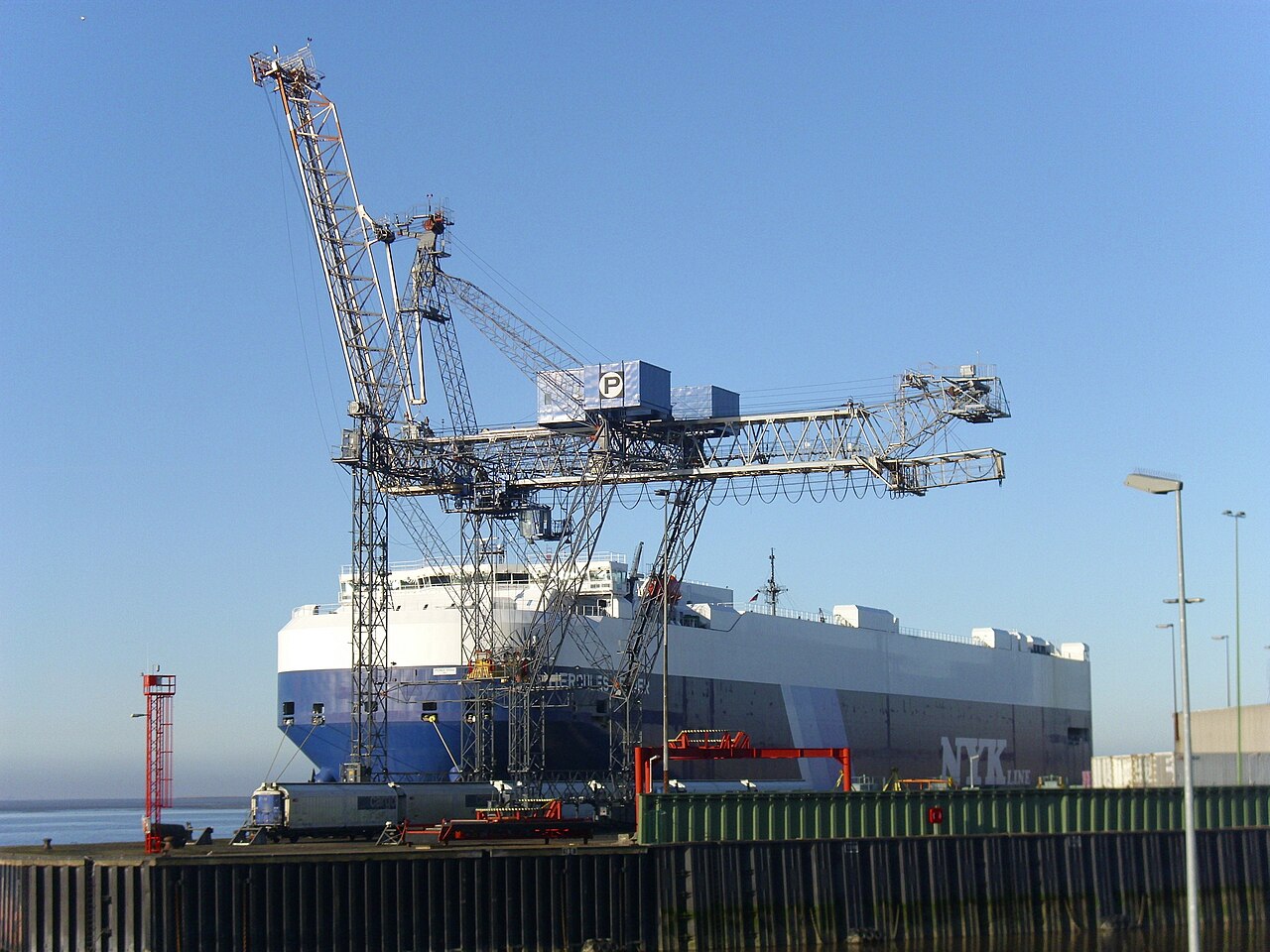
Image credit: Car carrier Hercules Leader (NYK Line) (CC0), via Wikimedia Commons
Final Thoughts
Verifying a JDM exporter’s legitimacy genuinely requires combining several independent checks — trade association membership confirmed directly through official channels, business registry verification, careful communication quality assessment, thorough auction sheet and documentation review, and strict payment account name matching — rather than relying on any single reassurance from the exporter alone. Taking these concrete verification steps seriously before committing any funds is genuinely the most effective protection available to anyone pursuing a JDM import purchase, and the modest time investment involved is genuinely trivial compared to the financial risk a fraudulent transaction represents.


コメント