Some cars become popular. A genuine handful become legends — vehicles whose reputation grows well beyond their original home market, inspiring dedicated global fanbases, motorsport folklore, and in several cases, entire automotive subcultures built around them decades after production ended. Japan has produced a genuinely disproportionate share of these legends, and understanding why specific models achieved this status, rather than others from the same era, tells you a lot about what actually makes a car culturally immortal. This guide counts down ten JDM cars that became true legends overseas, and the specific story behind each one’s rise to icon status.
📋 What You’ll Learn in This Guide
- Why the Skyline GT-R earned the nickname “Godzilla”
- How motorsport dominance built lasting legends for several models
- Why pop culture (film, anime) launched some cars to global fame
- How one affordable roadster built an entire following decades ago
- What these stories reveal about lasting automotive legend status
- 1. Nissan Skyline GT-R (R32–R34): “Godzilla”
- 2. Toyota Supra (A80/MK4)
- 3. Mazda RX-7 (FD)
- 4. Honda NSX
- 5. Toyota AE86 (Corolla Levin/Sprinter Trueno)
- 6. Mitsubishi Lancer Evolution
- 7. Subaru Impreza WRX STI
- 8. Nissan Silvia (S13/S14/S15)
- 9. Datsun 240Z
- 10. Toyota Land Cruiser
- Frequently Asked Questions
- Final Thoughts
1. Nissan Skyline GT-R (R32–R34): “Godzilla”
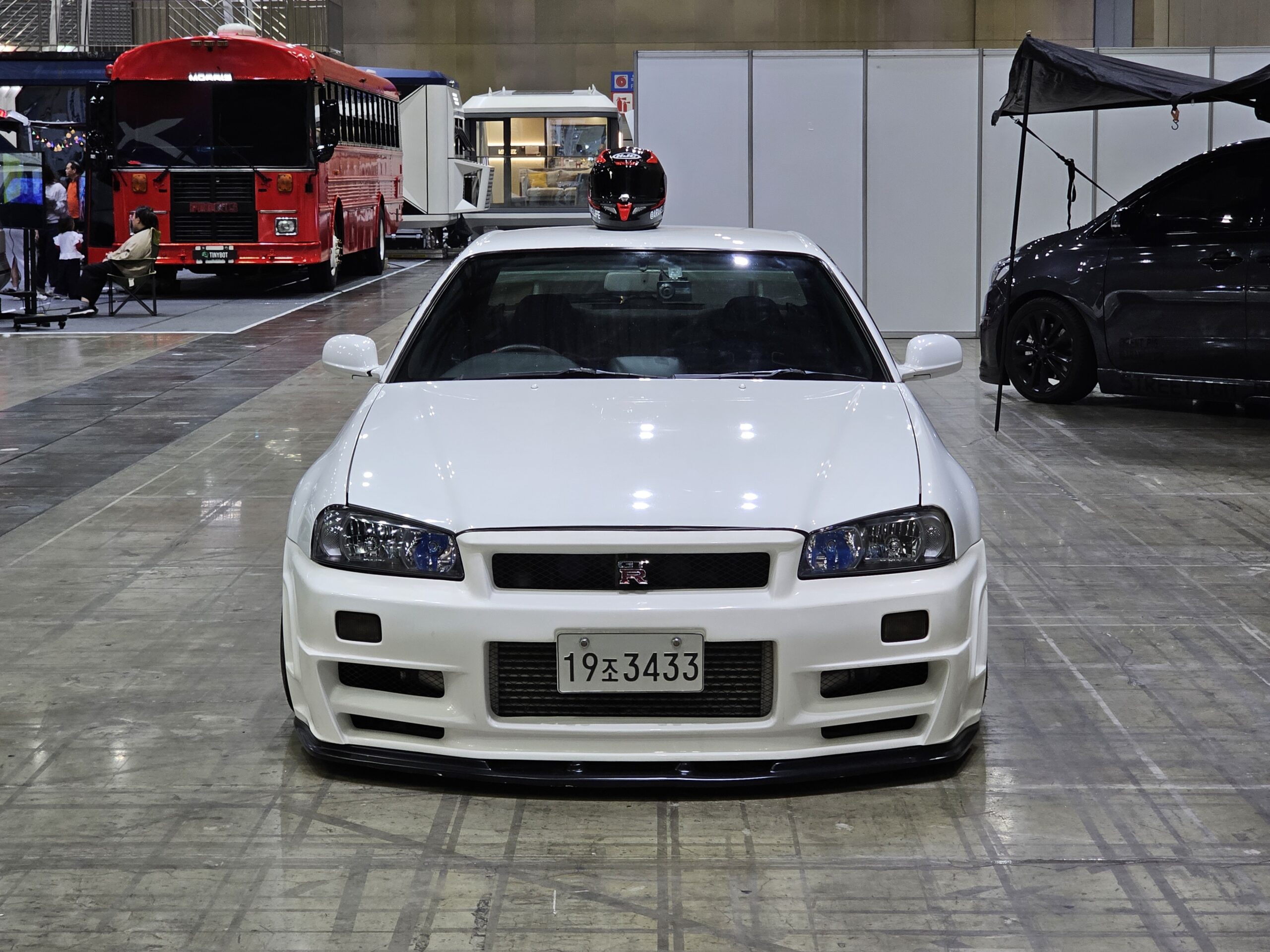
The Skyline GT-R earned its “Godzilla” nickname the hard way: the R32 generation’s sophisticated ATTESA E-TS all-wheel-drive system and twin-turbocharged RB26DETT engine proved so thoroughly dominant in Australian Group A touring car racing during the early 1990s that it effectively steamrolled the competition until regulation changes reshaped the category. That motorsport dominance, combined with the R34 generation’s later starring role in pop culture and its genuine engineering sophistication for its era, cemented the Skyline GT-R as arguably the single most coveted JDM legend among overseas enthusiasts, with the R34 in particular commanding serious collector premiums today.
2. Toyota Supra (A80/MK4)
The fourth-generation Supra’s legend rests on a genuinely rare combination: a naturally over-engineered engine and a starring cinematic role that introduced it to a massive global audience beyond traditional car enthusiasts. The 2JZ-GTE engine’s cast-iron block proved capable of handling dramatically more power than its factory output with the right supporting modifications, making it a tuning icon among enthusiasts worldwide, while the Supra’s featured role in the Fast and the Furious film franchise introduced the car (and JDM culture broadly) to millions of viewers who’d never otherwise have encountered Japanese performance cars.
3. Mazda RX-7 (FD)
The third-generation RX-7’s legend comes from its genuinely unique engineering approach: Mazda’s 13B-REW rotary engine, paired with a lightweight chassis and near-perfect weight distribution, delivered a driving character fundamentally different from anything using a conventional piston engine. That distinctive rotary engine note, combined with the FD’s elegantly curved styling and genuinely engaging handling dynamics, built a passionate following among driving purists specifically, distinct from the more power-and-tuning-focused fanbase surrounding some other JDM legends on this list.
💡 Tip
If you’re considering importing one of these specific legendary models, expect meaningfully higher prices than a typical JDM import, since their overseas legendary status has created real, sustained collector demand that ordinary JDM vehicles simply don’t command. Budget accordingly, and take auction sheet condition grading and documented history even more seriously than usual, since the premium you’re paying makes verification (covered in our dedicated mileage and history guide) genuinely more financially important.
4. Honda NSX
The original Honda NSX earned its legendary status by fundamentally challenging assumptions about what a supercar needed to be. Co-developed with input from Formula 1 legend Ayrton Senna during its development process, the NSX combined genuinely exotic mid-engine supercar looks and performance with Honda’s characteristic engineering reliability and everyday usability — proving a supercar didn’t need to sacrifice daily drivability for genuine performance credibility, a combination that earned it lasting respect even from enthusiasts of contemporary European exotics.
5. Toyota AE86 (Corolla Levin/Sprinter Trueno)
The AE86’s path to legend status runs directly through pop culture: its starring role as protagonist Takumi Fujiwara’s car in the enormously popular Initial D anime and manga series introduced an entire generation of overseas fans to Japanese mountain-pass (touge) drifting and street racing culture, with the AE86 itself as the central icon. Beyond the pop culture connection, the AE86’s genuinely light weight, naturally aspirated engine, and front-engine rear-wheel-drive layout gave it real substance as a driver’s car, earning it lasting respect independent of its anime fame among enthusiasts who value pure driving feel over raw power.
6. Mitsubishi Lancer Evolution
Born specifically as a homologation special allowing Mitsubishi to compete in Group A rally racing, the Lancer Evolution built its legend directly through World Rally Championship success — driver Tommi Mäkinen won four consecutive WRC Drivers’ Championships from 1996 through 1999 behind the wheel of various Evolution generations, with Mitsubishi securing a manufacturers’ title along the way. That direct, documented rally pedigree gave the Evo genuine motorsport credibility that overseas enthusiasts specifically prize, distinct from cars whose reputation rests primarily on street performance or tuning potential alone.
7. Subaru Impreza WRX STI
The Evo’s fiercest rival built its own legend through the same World Rally Championship battleground, with Subaru capturing manufacturers’ titles in the mid-1990s as the Impreza’s rally-bred all-wheel-drive system and distinctive turbocharged boxer engine proved genuinely competitive against Mitsubishi’s own rally program. This direct Evo-versus-STI rivalry, playing out both on actual WRC stages and in the imaginations of enthusiasts worldwide who followed the competition, created two intertwined legends whose fanbases still debate their relative merits decades later.
8. Nissan Silvia (S13/S14/S15)
The Silvia’s legend is inseparable from the birth of modern drift culture itself. Drifting originated on Japan’s mountain touge roads, and driver Keiichi Tsuchiya, widely credited as the “Drift King” for popularizing and refining the technique, helped establish the Silvia’s front-engine, rear-wheel-drive platform as the foundational chassis around which an entire global drifting subculture eventually formed. Decades later, the Silvia remains a genuinely central reference point anywhere drift culture exists worldwide, its legend having spread from Japanese mountain roads to purpose-built drift tracks on nearly every continent.
9. Datsun 240Z
Predating most other cars on this list by decades, the Datsun 240Z earned its legend by essentially proving Japanese sports cars could genuinely compete with established European rivals on both performance and style, at a dramatically more accessible price point, when it launched in the early 1970s. Its success in the American market specifically helped establish Japanese automakers’ broader credibility as serious sports car manufacturers rather than purely economy-focused builders, laying essential cultural groundwork for every JDM performance legend that followed it.
10. Toyota Land Cruiser
Rounding out this list with a genuinely different kind of legend: the Land Cruiser earned its worldwide reputation not through motorsport glamour or pop culture fame, but through an extraordinarily consistent, decades-long track record of off-road capability and mechanical reliability in some of the harshest operating environments on Earth. From African expedition routes to Australian outback stations to Middle Eastern desert terrain, the Land Cruiser’s legend rests on genuine, earned trust built through actual real-world durability rather than manufactured hype — arguably making it the most quietly, thoroughly legendary vehicle on this entire list.
⚠️ Caution
Legendary status drives genuine demand, which unfortunately also attracts fraud — cloned VINs, misrepresented modification history, and inflated condition claims are genuinely more common risks specifically around these high-demand legendary models than around ordinary JDM imports. Apply extra scrutiny, work exclusively with reputable, established exporters, and never skip the documentation verification steps covered throughout this site when pursuing one of these specific legendary models.
Frequently Asked Questions
Q: Are these ten cars considered the definitive, universally agreed-upon list of JDM legends?
A: Not a single official ranking exists, and passionate enthusiasts will always debate specific inclusions or ordering; this list reflects models with genuinely well-documented motorsport achievements, pop culture impact, or lasting reputational significance, though other genuinely legendary models certainly exist beyond these ten.
Q: Which of these cars is currently the most expensive to import?
A: Prices fluctuate with market demand and specific condition, but the Nissan Skyline GT-R, particularly clean R34 examples, has generally commanded some of the highest premiums among this group in recent years, reflecting its combination of motorsport pedigree, pop culture fame, and genuine engineering sophistication.
Q: Do all of these models qualify for import under the US 25-year rule yet?
A: Most of the older models on this list (the 240Z, early Silvia and AE86 generations, and early Skyline GT-Rs) clear the threshold, while some later models, particularly newer Evolution and STI generations, may still be approaching or short of 25 years depending on their specific production year — always verify a specific model year’s exact import eligibility rather than assuming based on the general model name.
Final Thoughts
What genuinely separates these ten JDM legends from the many other capable Japanese vehicles of their respective eras isn’t any single formula — some earned their status through documented motorsport dominance, others through pop culture exposure that reached far beyond traditional car enthusiasts, and at least one through decades of simply, quietly proving itself reliable in the world’s harshest conditions. Together, they represent the genuine high-water marks of Japanese automotive engineering and cultural impact, and understanding their specific stories gives real context for why JDM culture commands such passionate, lasting devotion among enthusiasts worldwide, decades after many of these cars first rolled off Japanese assembly lines.
Image credit: Nissan Skyline R34 GT-R by Damian B Oh (CC BY-SA 4.0), via Wikimedia Commons
コメント