📋 Summary
- Aftermarket gauge clusters, boost gauges, oil pressure meters, and A-pillar mounted pods are a genuinely distinctive visual signature of JDM tuning culture
- Defi is a Japanese aftermarket gauge brand launched in 1995 as a line from Nippon Seiki Co., Ltd., a major original-equipment instrument manufacturer
- Blitz, founded in Japan in 1980, began by importing German KKK turbochargers before expanding into a full range of tuning parts, including its own meters and gauges
- Understanding why these brands exist as separate additions to factory instrumentation helps explain a core piece of JDM interior modification culture
Beyond the wheel and the seat, one of the most visually distinctive elements of a genuinely tuned JDM interior is the gauge cluster, extra dials mounted on the A-pillar, in the center console, or replacing the factory instrument binnacle entirely, tracking boost pressure, oil temperature, air-fuel ratio, and other metrics factory dashboards typically don’t display. Two Japanese brand names dominate this specific corner of JDM culture: Defi and Blitz.
Defi: Built by an Original-Equipment Instrument Specialist
Defi is a genuinely interesting case because, unlike many aftermarket brands built from scratch by tuning enthusiasts, Defi is a dedicated product line from Nippon Seiki Co., Ltd., a major manufacturer that actually produces original-equipment instrument clusters for numerous automakers. According to the brand’s own information, the Defi line launched in 1995, meaning the same engineering expertise behind factory-installed dashboard instrumentation was applied directly to the aftermarket gauge market. That OE-manufacturer pedigree is a meaningful part of why Defi gauges carry genuine credibility within JDM tuning circles specifically, rather than being viewed as a purely aftermarket novelty product.
💡 Tip: Gauge Placement Is Part of the JDM Aesthetic Itself
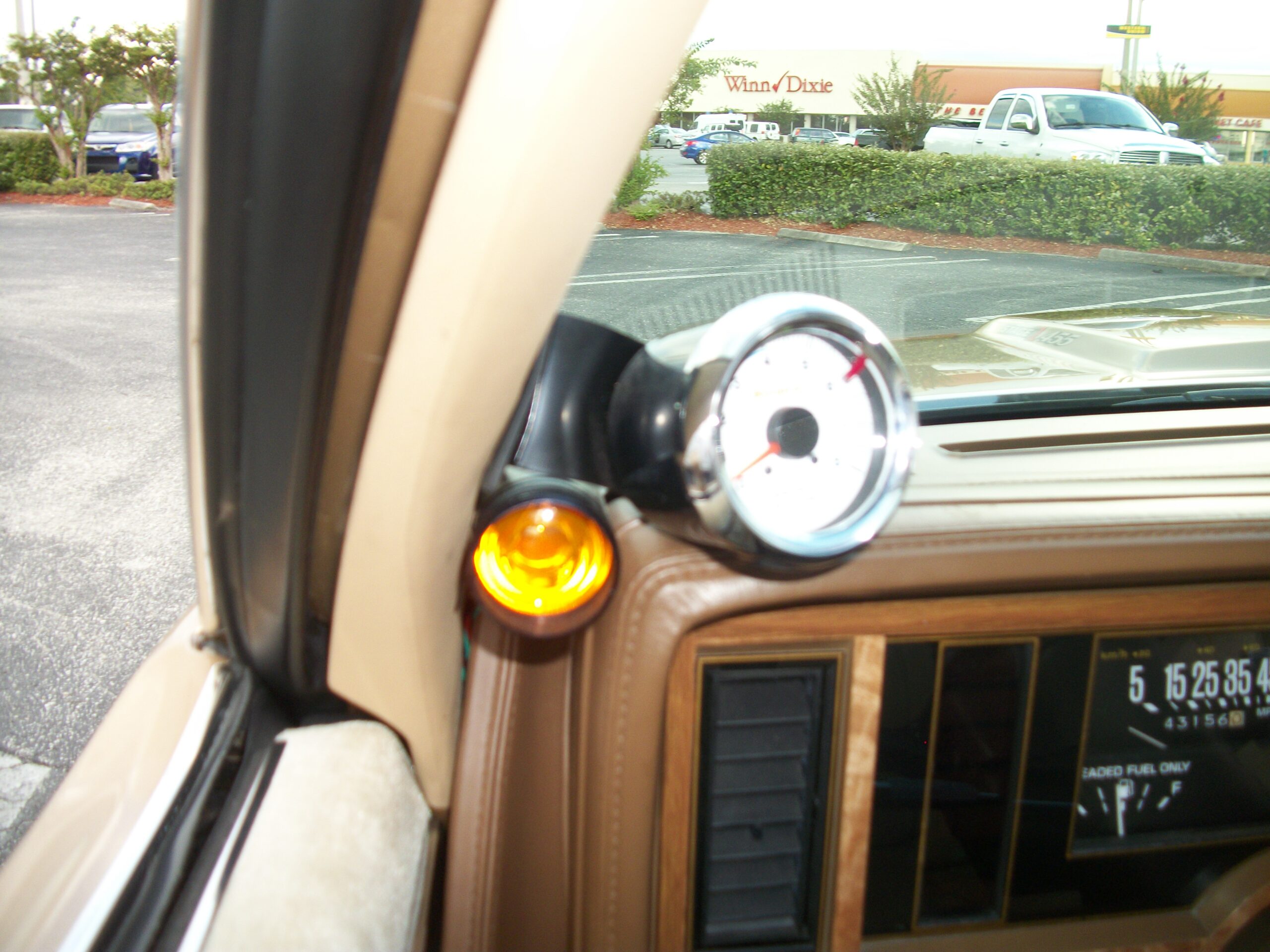
Where a gauge gets mounted, A-pillar pod, center console cluster, or a dedicated meter hood atop the dashboard, is genuinely as much a stylistic choice within JDM culture as which brand of gauge is selected. Photos of classic JDM builds often reveal as much about the era and scene’s aesthetic preferences through gauge placement alone as through the car itself.
Blitz: From Importing German Turbos to a Full Tuning Catalog
Blitz, based in Nishi-Tokyo, has a genuinely different origin story. The company was founded in 1980, initially to import and sell German KKK-brand turbochargers into the Japanese market, a detail that itself reflects the same European-to-Japan tuning-parts pipeline seen elsewhere in JDM culture. From that turbocharger-importing starting point, Blitz expanded over the following decades into a full tuning parts catalog, encompassing exhaust systems, suspension (its ZZ-R damper line among them), and yes, its own line of meters and gauges, making it a genuinely multi-category tuning brand rather than a gauge specialist exclusively.
How Defi’s Advance BF Networked Gauge System Actually Works
It’s genuinely worth understanding the specific engineering behind Defi’s flagship Advance BF gauge line, since it represents a meaningfully more sophisticated approach than a traditional standalone mechanical gauge. Rather than running a physical pressure line from the engine bay directly to a mechanical gauge needle, as older boost gauges did, the Advance BF system uses an electrical sending unit to measure boost or vacuum pressure, feeding that signal to a required Defi-Link Advance Control Unit that networks multiple gauges together rather than treating each one as an isolated instrument. Inside each gauge, a stepper motor drives the needle, delivering genuinely quick, accurate response to rapidly changing input, essential for something like boost pressure that can spike and fall within a second or two under hard acceleration. The networked system adds functionality a purely mechanical gauge simply can’t offer: automatic peak-value memory recording the highest reading reached, roughly three minutes of data logging that can be played back afterward, and integrated warning LEDs and an audible buzzer that trigger automatically if a monitored value crosses a dangerous threshold, turning what looks like a simple dial into a genuinely proactive safety-monitoring system for an engine running meaningfully beyond factory parameters.
Why Aftermarket Gauges Became So Central to JDM Culture
The prevalence of aftermarket gauge clusters within JDM tuning specifically connects directly to Japan’s deeply established turbocharged and forced-induction tuning culture, where monitoring boost pressure, oil temperature, and air-fuel ratio in real time is a genuinely practical safety and performance concern for a heavily modified engine, not merely a decorative addition. That practical origin is worth keeping in mind: while gauge pods have absolutely become a recognizable visual signature of the JDM aesthetic broadly, their original purpose within the tuning community was, and remains, functional monitoring for engines running well beyond factory-specified parameters.
⚠️ Caution: Installation Often Requires Sensor and Wiring Work
Unlike bolt-on cosmetic parts, functional aftermarket gauges typically require actual sensor installation, oil pressure sending units, boost pressure taps, and associated wiring, which touches genuine engine and electrical systems. This is generally not a purely cosmetic installation, and improperly installed sensors can create real mechanical or electrical issues, so professional installation or genuinely thorough research is worth prioritizing over a purely aesthetic approach.
Frequently Asked Questions
Q: Is Defi a standalone company or part of a larger manufacturer?
A: Defi is a product line of Nippon Seiki Co., Ltd., a major manufacturer that also produces original-equipment instrument clusters for automakers, with the Defi aftermarket line launched in 1995.
Q: Does Blitz only make gauges?
A: No. Blitz, founded in 1980 originally to import German KKK turbochargers, has expanded into a full tuning parts catalog including exhaust systems, suspension dampers, and meters/gauges.
Q: Why are aftermarket gauges so common in JDM tuning culture?
A: They originated primarily as functional tools for monitoring boost pressure, oil temperature, and other metrics on heavily modified, often turbocharged engines, a genuine practical need that later also became an established visual signature of the broader JDM aesthetic.
Q: Is installing aftermarket gauges a simple bolt-on job?
A: Generally not entirely. Functional gauges typically require sensor installation and wiring work that touches actual engine and electrical systems, so professional installation is often worth considering.
This article is for general informational purposes based on publicly available company information. Company histories, product lineups, and installation requirements change over time – always verify current details directly with the brand or a qualified professional before purchasing or installing aftermarket gauges.
Image credit: 1986 Buick Regal Stage One; Tachometer by DanTD, CC BY-SA 4.0, via Wikimedia Commons
コメント