📋 Summary
- Cars and Coffee, the informal early-morning car meet format now found worldwide, is commonly traced to Southern California in the early-to-mid 2000s, growing from small, unannounced weekend gatherings into a global phenomenon
- Japan has its own long-running, unofficial meet culture, most famously centered on Daikoku Parking Area in Yokohama, a spot with deep roots reaching back to the Bayshore Route touge and highway racing scene of the 1980s and 1990s
- JDM cars have become a fixture at Cars and Coffee-style events internationally, often parked alongside American muscle cars and European exotics in a way that reflects how thoroughly JDM culture has integrated into the broader global enthusiast community
- Social media played a major role in spreading both the Cars and Coffee format and specific JDM meet culture internationally, turning informal local gatherings into globally recognized institutions
Long before organized car shows with judged classes and trophies, there was always a simpler, more informal version of car culture: people showing up somewhere with their cars, standing around, and talking. That instinct is exactly what powers both the modern Cars and Coffee movement and Japan’s own long-running unofficial meet culture, two related but distinct traditions that have increasingly converged as JDM cars have become fixtures at meets far outside Japan.
Where Cars and Coffee Came From
The Cars and Coffee format, informal, unannounced, no entry fee, no trophies, just enthusiasts and their cars gathering early on a weekend morning, is commonly traced back to Southern California in the early-to-mid 2000s. Various accounts point to slightly different specific origins, including informal gatherings organized by Meguiar’s car care company founder Barry Meguiar, and a related early meetup near Crystal Cove close to Newport Beach that grew out of an existing Southern California car culture scene. What is consistently agreed upon is that the format spread with essentially no formal promotion in its earliest days, growing purely through word of mouth as passing drivers noticed the gathering and started showing up themselves.
From those Southern California roots, the Cars and Coffee format expanded dramatically, particularly from the mid-2000s onward, eventually spawning hundreds of independently organized events across the United States and, eventually, internationally, all following roughly the same low-key, come-as-you-are format.
💡 Tip: Social Media Turned Local Meets Into Global Institutions
A significant factor in both Cars and Coffee’s spread and the internationalization of JDM-specific meet culture has been social media. Enthusiasts photographing and posting cars from local meets on platforms like Instagram and, earlier, Facebook and Twitter, helped specific meets, and specific rare or well-built cars within them, gain reputations well beyond their local area. This dynamic has been especially significant for JDM culture specifically, since it let enthusiasts in countries without deep JDM import history still develop detailed knowledge of specific cars and builds happening at meets on the other side of the world.
Japan’s Own Meet Culture: Daikoku Parking Area
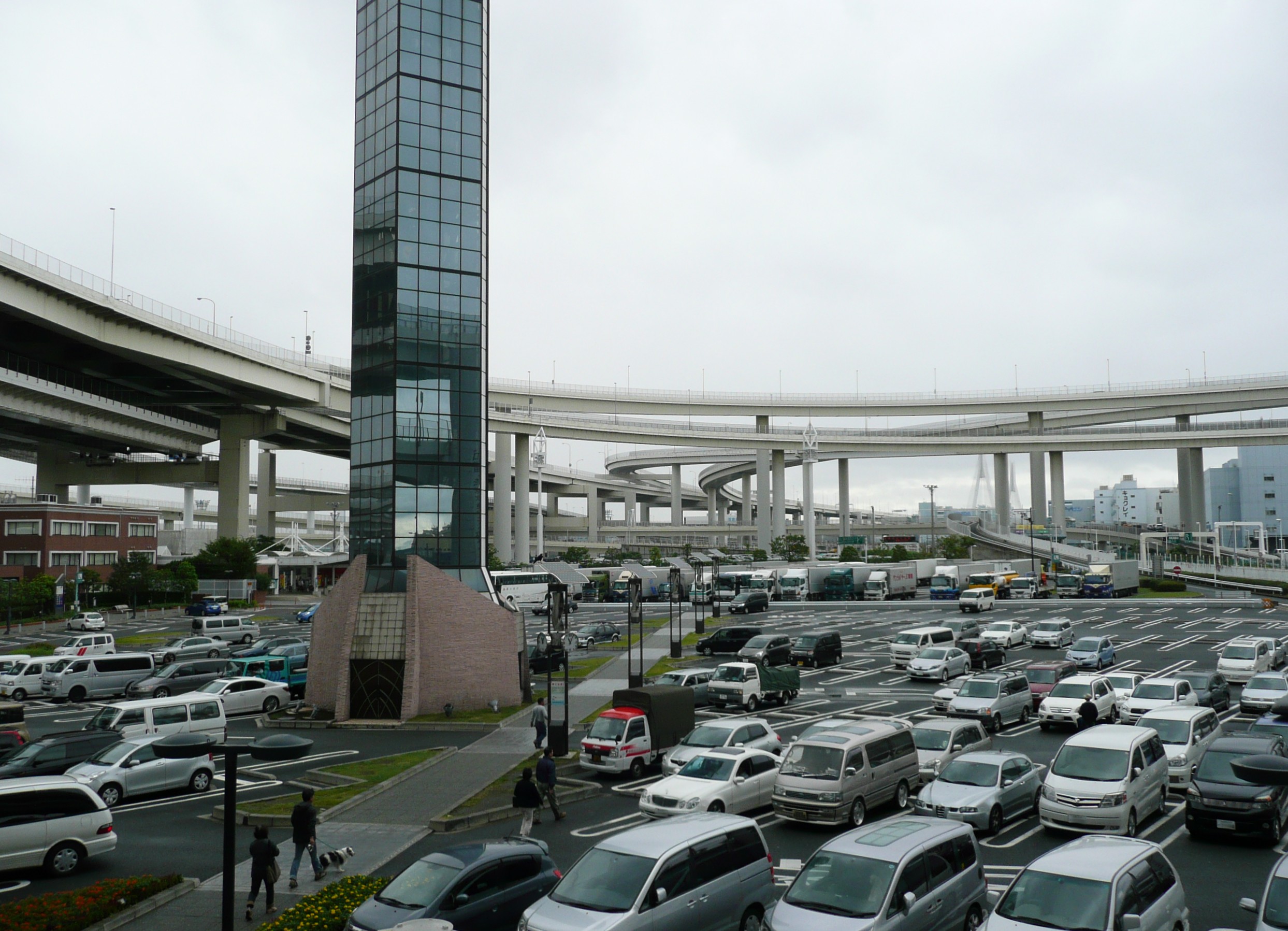
While Cars and Coffee represents an internationally exported format, Japan has its own deeply rooted, largely unofficial car meet tradition that predates it. The most famous example by far is Daikoku Parking Area, a rest stop along the Shuto Expressway’s Bayshore Route in Yokohama Bay, widely regarded as Japan’s single most iconic car meet location. Daikoku’s reputation as a gathering spot is commonly traced back to the late 1990s, growing out of the same expressway and touge culture that produced Japan’s notorious high-speed highway racing scene of the 1980s and 1990s, including the loosely organized, secretive groups sometimes referred to collectively as the Mid Night Club, whose members reportedly needed cars capable of extremely high top speeds to participate.
Unlike Cars and Coffee events, which are typically organized, even if informally, by a specific person or group, the Daikoku gathering has no formal organizer at all. Enthusiasts simply show up on weekend nights, particularly Friday and Saturday evenings, and the tradition has sustained itself this way for roughly three decades purely through consistent, voluntary participation rather than any official promotion or event structure.
How JDM Cars Fit Into Cars and Coffee Culture Abroad
As JDM import culture has matured in markets like the United States, the UK, and Australia, JDM cars have become an increasingly normal and expected presence at Cars and Coffee-style events internationally, parked comfortably alongside American muscle cars, European sports cars, and exotics in a way that reflects how thoroughly JDM culture has been absorbed into the broader global car enthusiast community rather than remaining a separate, niche scene. A clean, unmodified Skyline GT-R or a well-built Silvia drawing a crowd at an American Cars and Coffee event has become a fairly routine sight in markets with mature JDM import scenes, a genuine shift from earlier decades when such a car would have been a rare, almost unbelievable novelty outside Japan.
Some regions with particularly large JDM enthusiast populations have also developed dedicated JDM-specific meet events, distinct from general Cars and Coffee gatherings, that focus specifically on Japanese cars, often drawing direct inspiration from Japan’s own meet culture and terminology, including borrowing the “touge” and “meet” vocabulary that originated with Japanese enthusiast culture.
⚠️ Caution: Informal Meets Still Carry Real Legal and Safety Considerations
Because both Cars and Coffee events and spots like Daikoku Parking Area are informal and largely unregulated, participants and organizers should remain mindful of real legal and safety considerations: parking lot capacity and local ordinances at Cars and Coffee venues, and both traffic regulations and the historical association between highway meet spots and illegal street racing culture in Japan. Attending a car meet responsibly means respecting posted rules, not blocking traffic or emergency access, and never treating a meet’s parking area as an invitation to drive aggressively either arriving or departing.
The Broader Pattern: Cars Bringing People Together Without Formal Structure
What ties Cars and Coffee and Japan’s own meet culture together, despite their different origins, is a shared belief that the most genuine car culture experiences often happen without formal structure, judging, or entry requirements. Both traditions grew organically, spread primarily through word of mouth and later social media rather than marketing, and have proven remarkably durable precisely because they ask so little of participants beyond simply showing up with a car they care about.
That shared philosophy helps explain why JDM cars have integrated so naturally into Cars and Coffee culture internationally: both traditions were always fundamentally about community and shared enthusiasm rather than exclusivity, making it relatively easy for JDM culture, itself built on similarly informal, enthusiast-driven roots, to find a comfortable home within an already-compatible global meet culture.
From Informal Meets to Curated Shows: Wekfest and the Next Step
Not every part of import meet culture stayed purely informal. Wekfest, founded in 2008 by Kenneth Li in the San Francisco Bay Area, began as a small local gathering rooted specifically in JDM and broader import car culture before growing into a large, touring, curated show series held across multiple US cities, including San Jose, Los Angeles, Seattle, Miami, and New York, as well as an international event held in Japan. Unlike a purely open Cars and Coffee gathering, Wekfest operates a selective entry process for exhibitors, aiming to showcase particularly high-quality, well-executed builds rather than simply welcoming any car that shows up.
Wekfest’s growth illustrates a broader pattern within import and JDM meet culture more generally: as the scene matured and its audience grew, it naturally split into multiple formats existing alongside each other, from completely informal, unorganized gatherings like Daikoku Parking Area, through open Cars and Coffee-style meets, up to selective, professionally produced shows like Wekfest that cater to builders seeking a more curated audience and higher production values.
Frequently Asked Questions
Q: Where did Cars and Coffee originate?
A: It is commonly traced to Southern California in the early-to-mid 2000s, with accounts pointing to informal gatherings connected to Meguiar’s founder Barry Meguiar and a related early meetup near Crystal Cove close to Newport Beach. The format spread primarily through word of mouth before expanding nationally and internationally.
Q: What is Daikoku Parking Area?
A: A rest stop on the Shuto Expressway’s Bayshore Route in Yokohama, widely regarded as Japan’s most famous unofficial car meet spot, with roots tracing back to the late 1990s and a historical connection to Japan’s highway racing and touge culture.
Q: Do Cars and Coffee events charge an entry fee or give awards?
A: Traditionally, no. The classic Cars and Coffee format has no entry fee and no formal judging or trophies, distinguishing it from more organized car shows.
Q: Why have JDM cars become common at Cars and Coffee events outside Japan?
A: As JDM import culture has matured in markets like the US, UK, and Australia, JDM performance cars have become an increasingly normal presence at general car meets, reflecting how thoroughly JDM culture has integrated into the broader global enthusiast community.
Q: Who organizes the Daikoku Parking Area gathering?
A: No one, officially. Unlike most organized car meets, enthusiasts simply show up on weekend nights, and the tradition has sustained itself this way for decades without formal promotion or event structure.
This article is for general informational purposes and reflects widely reported history about these car meet traditions. Specific founding accounts and dates may vary between sources.
Image credit: Daikoku-PA.JPG by Nyao148, CC BY 3.0, via Wikimedia Commons
コメント