Your export agent is arguably the single most important relationship in the entire process of buying a car from Japan. They’re your eyes and ears at the auction, your translator for auction sheets, your negotiator with the auction house, and your project manager for everything from de-registration to shipping. Yet many first-time buyers go into this relationship without a clear picture of what an agent actually does day-to-day, or how their fees are structured — which makes it hard to tell a fair quote from an inflated one. This guide breaks down exactly what a Japanese export agent provides, how their fees typically work, and what questions to ask before you commit to working with one.
📋 What You’ll Learn in This Guide
- The full range of services a typical export agent provides
- How agent fees are usually structured, with realistic ranges
- The difference between an agent’s fee and the many other costs in the process
- Questions worth asking before you commit to a specific agent
- Warning signs that a quote isn’t as transparent as it looks
- Why You Need an Agent in the First Place
- What an Export Agent Actually Does
- How Agent Fees Are Typically Structured
- Agent Fee vs. Everything Else: Keeping the Categories Straight
- Questions Worth Asking Before You Commit
- Full-Service Packages vs. À La Carte Arrangements
- Communication Style Matters More Than Buyers Expect
- Language Support and Documentation Quality
- Frequently Asked Questions
- Final Thoughts
Why You Need an Agent in the First Place
As covered in more detail elsewhere on this site, Japan’s major auction houses restrict direct membership to licensed domestic dealers, which means overseas buyers cannot simply create an account and start bidding. An export agent (sometimes called an auction agent, or simply an exporter) is your bridge into that system — either a licensed dealer themselves or working in partnership with one — giving you practical access to auction inventory you couldn’t otherwise reach.
What an Export Agent Actually Does
A full-service agent typically handles the entire chain of tasks between “I found a car I like” and “the car is on a ship headed to my country.” This usually includes: providing (and often translating) auction sheet access so you can evaluate condition before bidding, placing bids on your behalf according to your instructions during live auctions, handling payment to the auction house once you win, arranging inland transport of the vehicle from the auction yard to the export port, managing the de-registration process and obtaining the export certificate, coordinating with a shipping line to book RoRo or container transport, arranging marine insurance, and providing you with tracking information and documentation as the shipment progresses. Some agents also offer pre-export inspection services, additional photography, or help sourcing specific hard-to-find models on request.
💡 Tip
Ask potential agents for a written breakdown of exactly which of these services are included in their quoted fee, and which are billed separately. Two agents quoting seemingly similar headline numbers can have very different actual costs once you account for what each one does or doesn’t include.
How Agent Fees Are Typically Structured
Fee structures vary meaningfully between companies, but a few common patterns show up across the industry. Many agents charge a flat service fee per vehicle, commonly somewhere in the range of ¥50,000 to ¥120,000 (roughly $350 to $850 depending on exchange rates), covering their core bidding and coordination work. Some agents instead charge a percentage-based commission on the winning bid price, while others use a hybrid model combining a smaller flat fee with a percentage on higher-value vehicles. On top of the core agent fee, expect separately itemized charges for the auction house’s own processing fee (often around ¥25,000 or more), inland transport to the port (which can range from roughly ¥5,500 for short distances up to ¥60,000 or more for vehicles purchased far from the departure port), and documentation or export certificate processing.
⚠️ Caution
Be cautious of quotes that seem unusually low compared to competitors, especially if the agent is vague about what’s included. Some less scrupulous operators advertise a low headline “service fee” specifically to win your business, then add substantial, poorly disclosed markups elsewhere in the process — inflated inland transport charges, padded documentation fees, or a hidden margin built into the shipping quote. A genuinely competitive agent should be comfortable providing a complete, itemized estimate before you commit.
Agent Fee vs. Everything Else: Keeping the Categories Straight
It’s worth being clear that the agent’s own fee is just one line item in your total landed cost, not the whole picture. The vehicle price, auction house commission, ocean freight, marine insurance, destination-country customs duties and processing fees, customs broker charges, and port handling are all separate costs that exist regardless of which agent you use, though a good agent will help you estimate and coordinate all of them. When comparing quotes between agents, make sure you’re comparing apples to apples — one agent’s “all-inclusive” quote might genuinely include freight and insurance, while another’s seemingly cheaper quote might cover only their own service fee, leaving you to arrange (and pay for) everything else separately.
Questions Worth Asking Before You Commit
- What exactly is included in your quoted fee, and what’s billed separately? Insist on a full written breakdown rather than a single lump-sum number.
- Can you provide references or verifiable reviews from buyers in my own country? Import rules and shipping routes vary by destination, so reviews from buyers who imported to your specific country are more relevant than generic testimonials.
- How do you handle a situation where something goes wrong — damage during shipping, a paperwork delay, or a dispute over a car’s condition? Ask for a specific example of how they’ve resolved a past problem, not just a general assurance.
- Are you a JUMVEA member, and can you provide your business registration details? This is a straightforward way to verify legitimacy before sending any money.
- What’s your typical timeline from winning bid to vehicle departure? Realistic agents give you a specific, honest estimate rather than an unrealistically fast promise.
Full-Service Packages vs. À La Carte Arrangements
Many established agents now offer bundled, all-inclusive packages that combine bidding, de-registration, export documentation, and shipping into a single quoted price, which tends to simplify budgeting and reduce the coordination burden on you as the buyer. Other buyers, often those with more import experience or very specific preferences, prefer to arrange certain steps independently — for example, using their own preferred freight forwarder rather than the agent’s default shipping partner. Neither approach is inherently better; bundled packages generally suit first-time importers who value simplicity, while à la carte arrangements suit experienced buyers who have specific reasons to want more direct control over individual steps.
Communication Style Matters More Than Buyers Expect
It’s easy to focus entirely on fees and services when evaluating an agent, but communication quality turns out to be one of the strongest predictors of a smooth experience. A good agent responds to questions promptly, explains auction sheet details in plain language rather than industry jargon, and proactively flags problems rather than waiting for you to ask why something is delayed. Before committing to work with an agent, send a few genuine questions about a specific listing and see how thoroughly and quickly they respond. An agent who gives vague, rushed, or generic answers during the courtship phase, when they’re presumably trying to win your business, is unlikely to suddenly become more attentive once you’ve already paid a deposit.
Time zone differences also matter more than many first-time buyers anticipate. If you’re located many hours away from Japan, ask how the agent typically handles time-sensitive communication, such as confirming a maximum bid right before a live auction starts. Some agents offer messaging apps or dedicated account managers specifically to bridge this gap smoothly, while others rely on email exchanges that can introduce frustrating delays around fast-moving auction deadlines.
Language Support and Documentation Quality
Since much of the process involves translating Japanese documents, auction sheets, and government paperwork, the quality of an agent’s translation work directly affects how well-informed your decisions are. Ask to see a sample translated auction sheet before you commit, so you can judge whether the translation is genuinely thorough (including handwritten remarks, not just the numeric grade) or superficial. Similarly, ask whether the agent provides translated or bilingual copies of key documents like the export certificate, since some destination countries’ registration authorities specifically request this and having it prepared in advance can meaningfully speed up your local registration process once the car arrives.
Frequently Asked Questions
Q: Do I pay the agent before or after they win a bid on my behalf?
A: This varies, but many agents require either a deposit or full pre-funding of your account before they’ll place bids on your behalf, since they’re financially responsible to the auction house the moment a winning bid is placed. Clarify this policy, including what happens to your funds if you don’t win any bids, before you register.
Q: Is it worth paying more for a well-established, larger agent versus a smaller boutique operation?
A: Not automatically — reputation, transparency, and communication quality matter more than company size. Some smaller agents provide excellent, highly personalized service, while some larger companies can feel impersonal. Focus your evaluation on verifiable reviews and clear, itemized pricing rather than company size alone.
Q: Can I switch agents partway through a purchase if I’m unhappy with the service?
A: This becomes difficult once a bid has been placed and won, since the agent’s account and relationship with the auction house is what secured the vehicle. It’s much easier, and far less risky, to thoroughly vet an agent before your first bid than to try to switch mid-transaction.
Final Thoughts
A good export agent genuinely earns their fee — navigating Japan’s auction system, translating condition reports accurately, and coordinating a multi-step international shipping process is real, valuable work that most overseas buyers simply couldn’t handle alone. The key to a good experience isn’t necessarily finding the cheapest possible fee, but finding an agent who is transparent about exactly what you’re paying for, responsive to your questions, and verifiably reputable before you ever send them money. Take the time to compare a few agents, ask pointed questions about their fee structure, and choose based on clarity and trustworthiness rather than the lowest headline number alone.
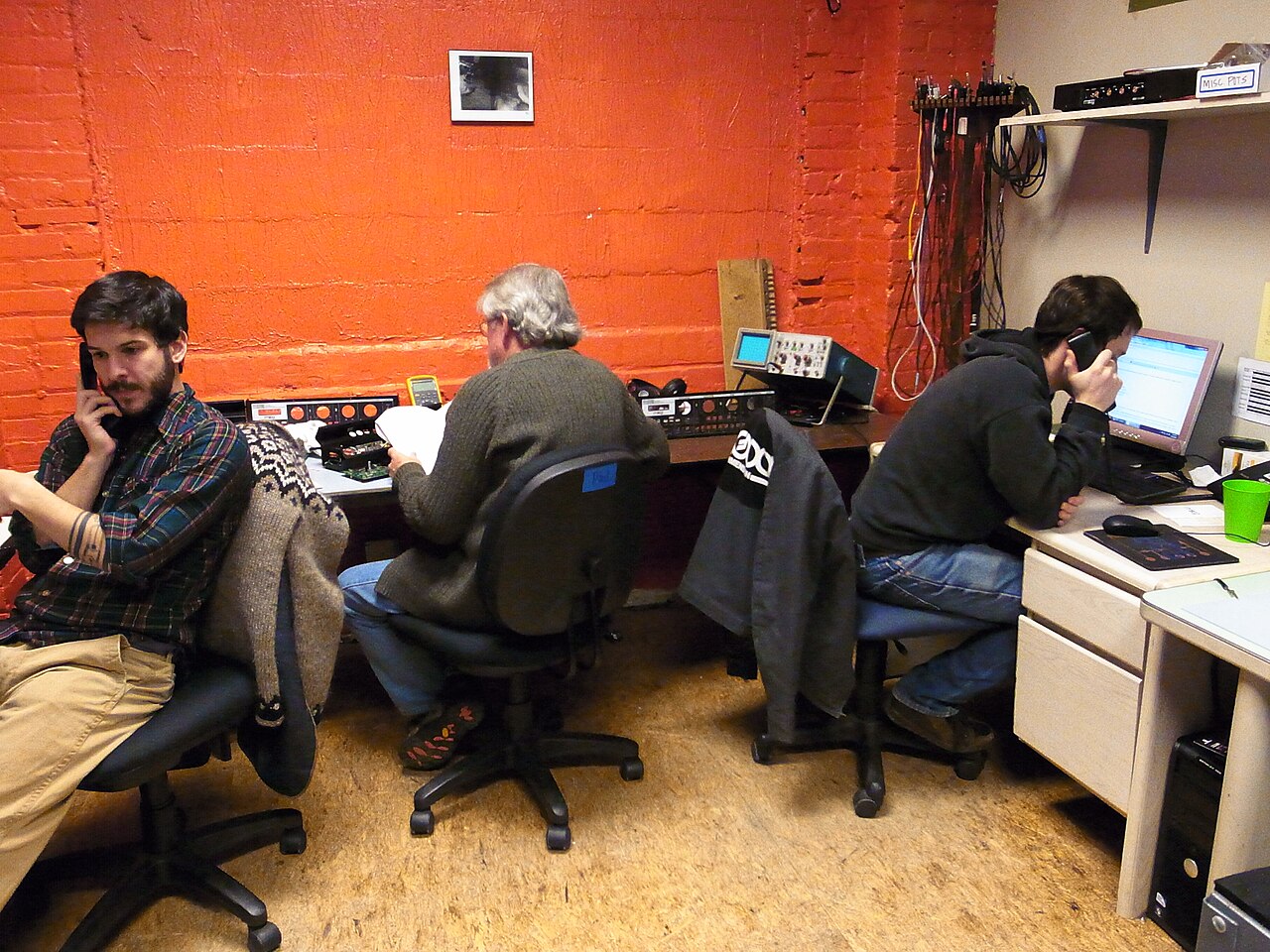
Image credit: Moog customer service by Gina Collecchia (CC BY 2.0), via Wikimedia Commons

コメント