📋 Summary
- Japan distinguishes between Service Areas (SA), larger facilities with fuel stations, restaurants, and shops, and Parking Areas (PA), smaller stops generally without a gas station, both integrated directly into the expressway network
- Japan’s expressway system dates to 1963, when the first completed stretch opened on the Meishin Expressway, with early rest facilities offering little more than basic parking and restrooms
- Modern SAs have evolved dramatically from their simple origins into genuine destinations in their own right, featuring farmers markets, regional specialty foods, and in some especially large examples, hot springs and amusement facilities
- The nationwide popularity of B-kyu gourmet, or “B-grade cuisine,” a movement celebrating authentic, unpretentious regional comfort food, has significantly shaped modern SA and PA dining culture toward genuine local specialties rather than generic highway food
For anyone who has only experienced generic highway rest stops elsewhere, Japan’s expressway Service Areas and Parking Areas represent a genuinely different philosophy entirely, where a routine fuel and bathroom break can become a legitimate culinary destination showcasing regional specialties found nowhere else. Understanding this culture, and the practical distinction between SA and PA facilities, adds real value to any road trip through Japan.
SA vs. PA: A Genuinely Practical Distinction
Japan’s expressway rest facilities fall into two categories that matter practically for trip planning. Service Areas, commonly abbreviated SA, are the larger facilities, typically featuring a fuel station, multiple restaurants, larger retail shops, and full restroom facilities. Parking Areas, abbreviated PA, are smaller stops generally without a gas station, though still offering restrooms and, in many cases, at least some food and shopping options, just on a considerably more modest scale than a full SA. Understanding this distinction matters practically when planning refueling stops specifically, since not every rest facility along a given expressway route will actually have fuel available.
From Basic Rest Stops to Genuine Destinations
Japan’s expressway system traces its origins to July 16, 1963, when the first completed stretch opened on the Meishin Expressway between Ritto in Shiga Prefecture and Amagasaki in Hyogo Prefecture. Early rest facilities along this pioneering route offered little beyond basic parking and restrooms, though even in this early period, scenic viewpoints, including views of Lake Biwa and the city of Otsu, helped draw motorists to stop and take in the surroundings rather than simply treating the facilities as purely functional necessities.
This modest origin stands in genuinely striking contrast to how SAs have evolved in recent decades. Where earlier facilities offered little more than simple restaurants, basic shops, fuel, and restrooms, modern SAs have increasingly transformed into elaborate, mall-like destinations, with some operators specifically developing their facilities as genuine travel destinations in their own right rather than purely functional waypoints along a longer journey.
💡 Tip: Look for Regional Specialties, Not Generic Highway Food
One of the most rewarding aspects of Japan’s SA culture is the genuine emphasis on regional specialty food rather than the generic, interchangeable fast food commonly found at highway rest stops in many other countries. Many modern SAs feature farmers markets selling fresh, locally grown produce and locally caught fish, restaurants built around dishes made with regional ingredients, and specialty products from well-known local shops that genuinely aren’t available anywhere else. Rather than defaulting to familiar chain restaurant options at every stop, seeking out an SA’s specific regional specialty offerings can turn a routine highway break into a genuinely memorable part of a Japan road trip.
The B-kyu Gourmet Connection
A significant cultural force shaping modern SA dining specifically is Japan’s broader nationwide enthusiasm for B-kyu gourmet, literally “B-grade cuisine,” a food culture movement celebrating authentic, unpretentious, often regionally specific comfort food over more expensive or formal dining options. This movement has directly influenced how many SAs curate their food offerings, favoring genuine regional comfort dishes and local specialties that reflect a specific area’s actual culinary identity, over generic, broadly appealing but characterless fast food that could be found at any highway stop regardless of location.
This connection between highway dining and genuine regional food culture is part of what makes actively seeking out specific SA food offerings a genuinely worthwhile travel activity in Japan, rather than treating every stop as an interchangeable, purely functional break from driving.
⚠️ Caution: Not Every PA Has Fuel – Plan Your Refueling Stops
Because Parking Areas generally lack fuel stations while Service Areas typically include them, drivers, particularly those unfamiliar with a specific expressway route or driving in more rural areas with less frequent facility spacing, should specifically plan refueling stops around confirmed SA locations rather than assuming any rest facility along the route will have fuel available. Modern navigation systems and expressway signage typically distinguish between SA and PA facilities clearly, making this a straightforward detail to confirm in advance, but it’s genuinely worth checking before setting out on a longer expressway journey, particularly through less densely developed regions where facility spacing can be considerably wider than in urban areas.
Extra-Large SAs: Hot Springs and Amusement Facilities
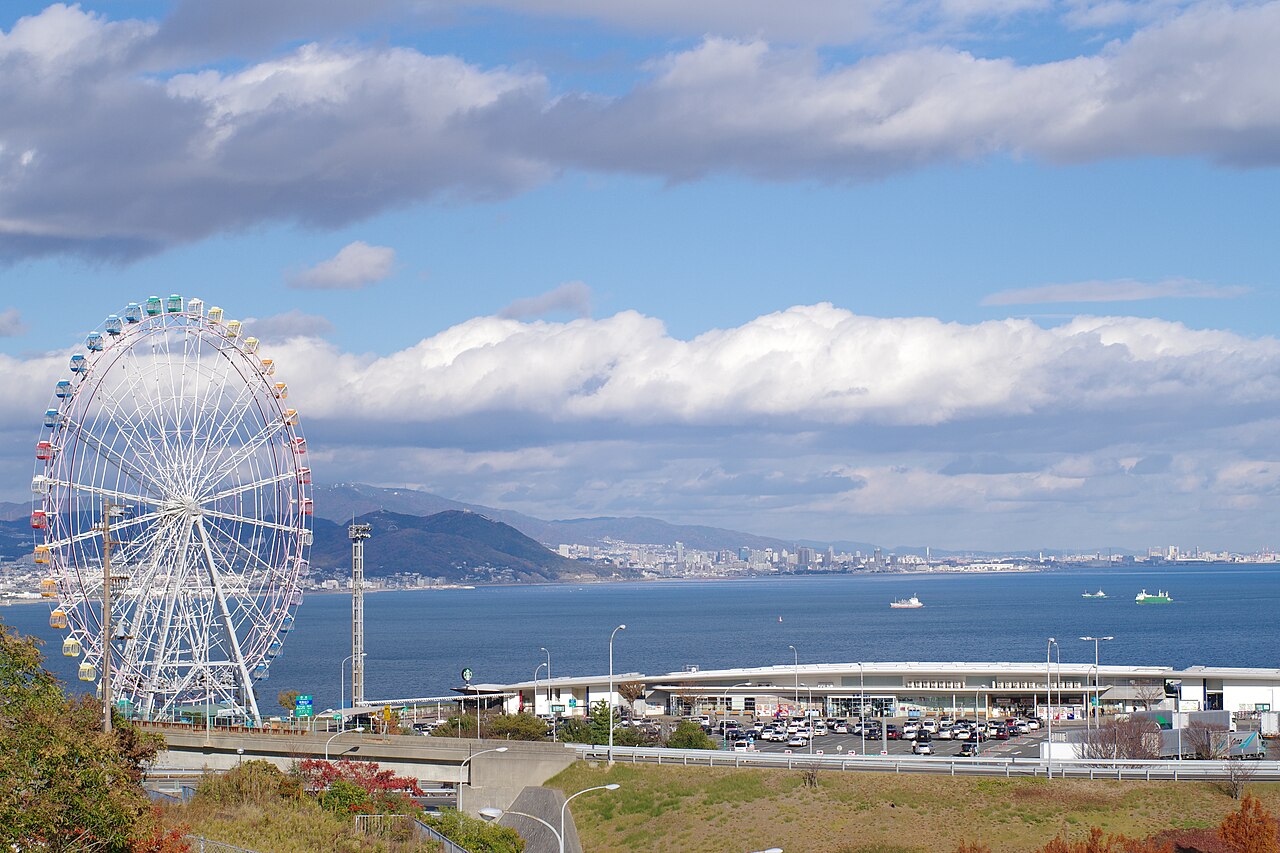
At the far end of SA elaboration, some especially large facilities have expanded well beyond food and shopping into genuine leisure destinations, with certain extra-large SAs featuring hot spring bathing facilities or amusement park-style attractions, including Ferris wheels and rides aimed at families traveling with children. These represent the extreme end of SA evolution from purely functional rest stops toward genuine standalone attractions, and while not every route includes a facility of this scale, they represent a genuinely distinctive and worthwhile detour for travelers whose route happens to pass one, offering an entertainment option unlike anything found at a typical highway rest stop in most other countries.
Who Actually Operates These Facilities
Japan’s expressway network, and the SA and PA facilities along it, are primarily managed by NEXCO, the collective name for the regional expressway operating companies, East, Central, and West Nippon Expressway Companies, that took over management of Japan’s toll expressway system following a broader restructuring of the country’s highway administration. These operators have played a direct role in the transformation of SAs from purely functional stops into elaborate destination facilities, actively curating tenant restaurants and shops, and in many cases specifically commissioning collaborations with well-known regional restaurants and producers to bring genuine local specialties directly into the expressway rest stop format, rather than simply leasing space to whichever generic chain happened to be available.
Omiyage Culture and Highway Shopping
Beyond food consumed on-site, SA shops play a significant role in Japan’s broader omiyage culture, the deeply ingrained practice of bringing back small, often regionally specific gifts for family, friends, and colleagues after traveling. Many SA gift shops stock carefully curated selections of regional specialty products, distinctive local snacks, and area-specific packaged goods specifically because travelers are actively expected to purchase souvenirs representing wherever their trip has taken them, making SA shopping a genuinely integrated part of Japanese travel culture rather than an optional afterthought. This dynamic further reinforces why SAs lean so heavily into showcasing authentic regional identity in their retail offerings rather than simply stocking generic travel snacks that could be found anywhere along the network.
For international visitors specifically, browsing SA gift shops along a driving route can offer a genuinely interesting window into regional Japanese food culture and local specialty products that might otherwise be difficult to discover without dedicated research, making even a brief rest stop a small but meaningful part of experiencing a specific region’s character during a longer road trip.
Frequently Asked Questions
Q: What’s the difference between a Service Area (SA) and Parking Area (PA)?
A: SAs are larger facilities that typically include a fuel station, multiple restaurants, and larger shops, while PAs are smaller stops generally without a gas station, though often still offering restrooms and limited food and shopping options.
Q: When did Japan’s expressway system, and its rest facilities, begin?
A: The first completed expressway stretch opened on July 16, 1963, on the Meishin Expressway, with early rest facilities offering little more than basic parking and restrooms.
Q: What is B-kyu gourmet, and how does it relate to SA food?
A: B-kyu gourmet, or “B-grade cuisine,” is a nationwide Japanese food culture movement celebrating authentic, unpretentious regional comfort food, which has significantly shaped modern SA dining toward genuine local specialties rather than generic fast food.
Q: Can I always refuel at any expressway rest stop?
A: Not necessarily. Parking Areas generally lack fuel stations, so drivers should confirm Service Area locations in advance when planning refueling stops, particularly on longer routes through less densely developed regions.
Q: Do any SAs offer more than food and shopping?
A: Yes. Some especially large SAs feature hot spring bathing facilities or amusement park-style attractions, representing the most elaborate end of how far Japan’s rest facility culture has evolved beyond purely functional stops.
This article is for general informational purposes and reflects commonly cited information about Japan’s expressway service area culture. Specific facilities, offerings, and amenities vary by location and change over time – always check current facility information before planning a route.
Image credit: Awaji Service Area, Kobe-Awaji-Naruto Expressway by Ryo FUKAsawa, CC BY 2.0, via Wikimedia Commons
コメント