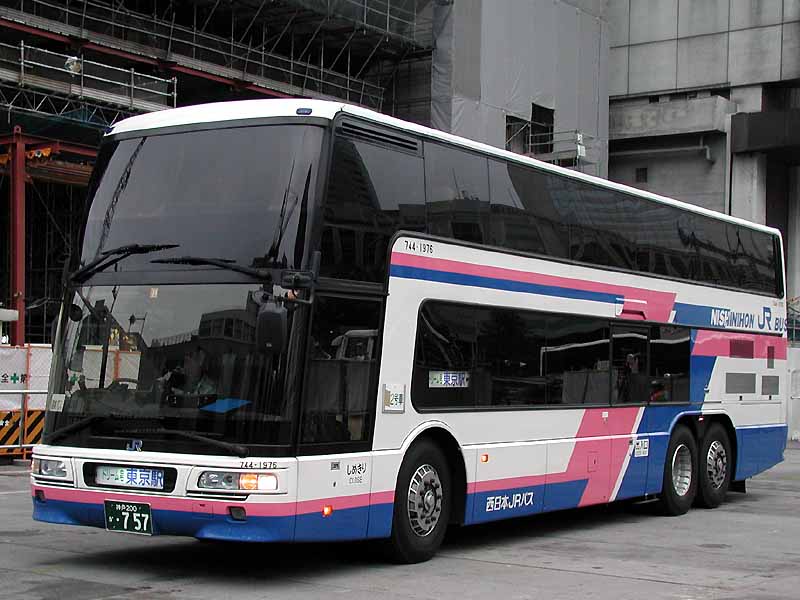
For travelers weighing how to move between Japan’s major cities, the bullet train inevitably gets the most international attention — but a genuinely well-developed parallel network of highway buses, particularly the country’s distinctive overnight services, offers a considerably cheaper and, for some routes, genuinely more practical alternative. This guide explains how Japan’s highway bus network developed and what the different overnight seat classes actually offer.
📋 What You’ll Learn in This Guide
- How Japan’s overnight bus network grew alongside the expressway system in the 1970s-1980s
- The major operators running these routes nationwide
- The genuine range of seat classes from basic to premium business-class-style seating
- Why overnight buses can cost 60-80% less than equivalent Shinkansen fares
- The specific practical advantages beyond just ticket price alone
- Growing Alongside Japan’s Expressway Network
- The Major Operators
- The Range of Seat Classes
- Onboard Comfort Features
- The Genuine Cost Advantage
- Beyond Cost: Connecting Routes the Shinkansen Doesn’t Serve
- The Overnight Bus as a Genuine Cultural Touchstone
- Choosing Between Bus and Shinkansen for a Given Trip
- Frequently Asked Questions
- Final Thoughts
Growing Alongside Japan’s Expressway Network
Japan’s overnight highway bus network genuinely developed in step with the country’s expanding expressway system through the 1970s and 1980s, emerging specifically as a considerably cheaper alternative to train travel for the growing number of routes this new expressway infrastructure made practically viable. This parallel development between road infrastructure and long-distance bus service reflects a genuinely deliberate market response: as expressways connected more of the country more directly, bus operators had the physical infrastructure needed to offer genuinely competitive long-distance travel times against the existing rail network.
The Major Operators
Japan’s overnight highway bus network today operates through several genuinely major companies, including Willer Express, JR Bus, Kintetsu Bus, and Nishitetsu Bus, collectively serving hundreds of specific city-pair routes across the country. This multi-operator structure means travelers researching a specific route genuinely have multiple companies to compare, each potentially offering somewhat different seat classes, pricing, and specific route timing for comparable city-pair connections.
💡 Tip
When researching a specific overnight bus route, comparing offerings across multiple operators genuinely matters, since seat class options, exact departure and arrival timing, and pricing can vary meaningfully between companies serving the same basic city-pair connection — the Tokyo-Osaka corridor specifically sees genuinely intense competition among operators, which has driven considerable innovation in seat comfort and service tiers on this particular route.
The Range of Seat Classes
Japan’s overnight buses genuinely span a meaningful range of comfort tiers to match different budgets and preferences. Basic seats typically arrange passengers in a 2+2 configuration across four seats per row, offering somewhat more legroom than a standard city bus while remaining the most budget-friendly option. Standard overnight seats step up to genuinely comfortable, reclining seating typically arranged in rows of three seats with one or two aisles. Luxury seats reduce density further to a 2+1 configuration with meaningfully more space between seats, often including footrests, dedicated head support, and privacy curtains. At the very top of the range, premium seats on the most competitive routes, particularly Tokyo-Osaka specifically, have introduced seating genuinely resembling airline business class, reflecting just how far operator competition has pushed overnight bus comfort standards on Japan’s busiest corridors.
Onboard Comfort Features
Beyond seat width and recline, well-equipped overnight buses genuinely include blackout drapes to block window light during sleeping hours, complimentary blankets and pillows, onboard outlet charging, Wi-Fi connectivity, and on many routes, an onboard bathroom eliminating the need for rest-stop bathroom breaks during the overnight journey. These practical comfort features reflect operators’ genuine recognition that overnight bus passengers are specifically trying to sleep through a multi-hour journey, a meaningfully different design priority than daytime bus service focused primarily on simple point-to-point transport.
⚠️ Caution
Don’t assume every overnight bus seat class or specific route includes identical amenities — the specific comfort features covered above, from onboard bathrooms to Wi-Fi availability, genuinely vary by operator, seat class, and specific route, so confirming exactly what a given ticket includes before booking is worthwhile, particularly for travelers specifically prioritizing certain comfort features for a long overnight journey.
The Genuine Cost Advantage
Overnight bus fares can run genuinely 60 to 80 percent cheaper than equivalent Shinkansen fares for comparable routes, a substantial cost difference that makes overnight buses a genuinely significant budget-travel option for both domestic Japanese travelers and international visitors managing a Japan itinerary on a tighter budget. This cost advantage compounds with a further practical benefit: since the journey happens overnight, travelers effectively save an entire night’s accommodation cost as well, making the genuine total savings compared to daytime Shinkansen travel plus a hotel night even more substantial than the ticket price difference alone suggests.
Beyond Cost: Connecting Routes the Shinkansen Doesn’t Serve
Highway buses genuinely serve a practical route-coverage function beyond pure cost savings as well, connecting many city pairs that simply aren’t directly served by Japan’s Shinkansen bullet train network at all. For travelers with itineraries including destinations outside the Shinkansen’s specific route coverage, highway buses frequently represent the most practical direct long-distance travel option available, rather than simply a cheaper alternative on routes where both options genuinely compete.
The Overnight Bus as a Genuine Cultural Touchstone
Beyond its purely practical transportation function, the overnight highway bus has developed a genuine cultural resonance within Japan specifically, frequently appearing as a narrative device in Japanese film, television, and literature to represent themes of transition, solitude, or a character’s journey between different phases of life. This cultural embedding reflects the overnight bus’s distinctive position within Japanese daily life — a genuinely liminal travel experience, neither fully public nor fully private, that many Japanese travelers have personally experienced at some meaningful point, whether for budget-conscious travel, visiting family, or job-related relocation.
Choosing Between Bus and Shinkansen for a Given Trip
Deciding between an overnight highway bus and the Shinkansen for a specific trip genuinely comes down to weighing several practical factors together: total budget available, how much value a traveler places on arriving well-rested versus saving money, whether the specific destination is even served by Shinkansen at all, and how much flexibility a traveler has around arrival and departure timing. Neither option is universally superior — a business traveler with limited time might genuinely prioritize the Shinkansen’s speed and daytime arrival, while a budget-conscious traveler with more flexible scheduling might find the overnight bus’s combined savings on both transportation and accommodation genuinely more valuable for their specific trip.
Frequently Asked Questions
Q: How far in advance should overnight bus tickets typically be booked?
A: Booking timing recommendations vary by specific route and season, with popular routes and travel periods like major Japanese holidays generally warranting earlier booking, so checking a specific operator’s current booking guidance for a planned route and travel date is more reliable than assuming universal booking timing across all routes.
Q: Are overnight buses in Japan genuinely safe and reliable for solo travelers, including women traveling alone?
A: Japan’s overnight bus network generally maintains a strong reputation for safety and reliability, and some operators specifically offer women-only seating sections or cabins on certain routes, though travelers with specific safety preferences should research a given operator’s current specific offerings directly before booking.
Q: Can overnight bus tickets be purchased by international visitors without Japanese language ability?
A: Many major overnight bus operators and third-party booking platforms serving the Japan market offer English-language booking interfaces specifically designed for international visitors, though the specific level of English support can vary by operator, so confirming this directly before attempting to book is worthwhile for travelers without Japanese language ability.
Q: Do overnight buses make scheduled rest stops during the journey?
A: Most overnight bus routes do include one or more scheduled rest stops at highway service areas during the journey, giving passengers a brief opportunity to stretch and use facilities, though the specific number and timing of stops varies by route and operator, so checking a specific route’s itinerary details ahead of time helps set accurate expectations for the overall journey.
Final Thoughts
Japan’s highway bus network, and its distinctive overnight services in particular, represents a genuinely well-developed transportation alternative that grew directly alongside the country’s expressway infrastructure since the 1970s and 1980s. From basic budget seating through genuinely business-class-style premium options, the range of comfort tiers available, combined with substantial cost savings over Shinkansen travel and route coverage the bullet train simply doesn’t reach, makes highway buses a genuinely practical option worth serious consideration for many Japan itineraries, whether the priority is stretching a travel budget further or simply reaching a destination the Shinkansen never quite gets you to.
Image credit: Nishinihon JR Bus overnight highway bus, Tokyo Station by Comyu (CC BY-SA 3.0), via Wikimedia Commons

コメント