Two guides in this series have already covered VIP style’s luxury-sedan restraint and kaido racer style’s race-car extremity — but there’s a third, arguably more foundational Japanese lowered-car tradition that predates both and directly inspired the entire global “stance” movement: shakotan. This guide explains what shakotan actually means, where it came from, and how its specific philosophy differs from the styles that came after it.
📋 What You’ll Learn in This Guide
- What “shakotan” literally means and why the name matters
- The style’s 1970s origins as arguably the original global stance movement
- The core visual elements: extreme lowering, deep-dish wheels, negative camber
- How shakotan differs philosophically from kaido racer and VIP style
- Shakotan’s genuine influence on the international “hellaflush” and stance scenes
- What “Shakotan” Actually Means
- Origins in 1970s Japan
- The Core Visual Elements
- Shakotan Versus Kaido Racer Style
- Shakotan and VIP Style: A Genuine Overlap
- Shakotan’s Global Legacy: Hellaflush and Stance Culture
- Wheel Choice as the Central Statement
- A Style Built for the Long Term
- Frequently Asked Questions
- Final Thoughts
What “Shakotan” Actually Means
The word “shakotan” is a Japanese term that translates roughly to “lowered” or “low car,” a name that directly and simply describes the style’s single defining characteristic: ride height brought down as dramatically as possible. This directness in naming genuinely reflects the style’s underlying philosophy as well — unlike styles built around a complex web of specific visual references (kaido racer’s racing pedigree, VIP style’s luxury-sedan restraint), shakotan is fundamentally about one thing done to an extreme degree, and the name doesn’t pretend otherwise.
Origins in 1970s Japan
Shakotan car culture originated in 1970s Japan, and many enthusiasts and automotive writers genuinely regard it as the original global stance movement — the historical root from which many later lowered-car aesthetics, both within Japan and internationally, can trace at least partial inspiration. This makes shakotan genuinely foundational to understanding Japan’s broader landscape of lowered and modified car cultures covered throughout this guide series, since later styles frequently borrowed or built upon shakotan’s core visual vocabulary even as they developed their own distinct identities.
💡 Tip
When trying to distinguish shakotan from Japan’s other lowered and modified car styles, it helps to think of shakotan as focused almost entirely on stance and wheel fitment as the primary visual statement, with body modifications typically staying relatively restrained — a genuinely different emphasis from kaido racer style’s dramatic race-inspired bodywork or VIP style’s luxury-sedan-specific philosophy, even though all three styles can involve genuinely low ride heights.
The Core Visual Elements
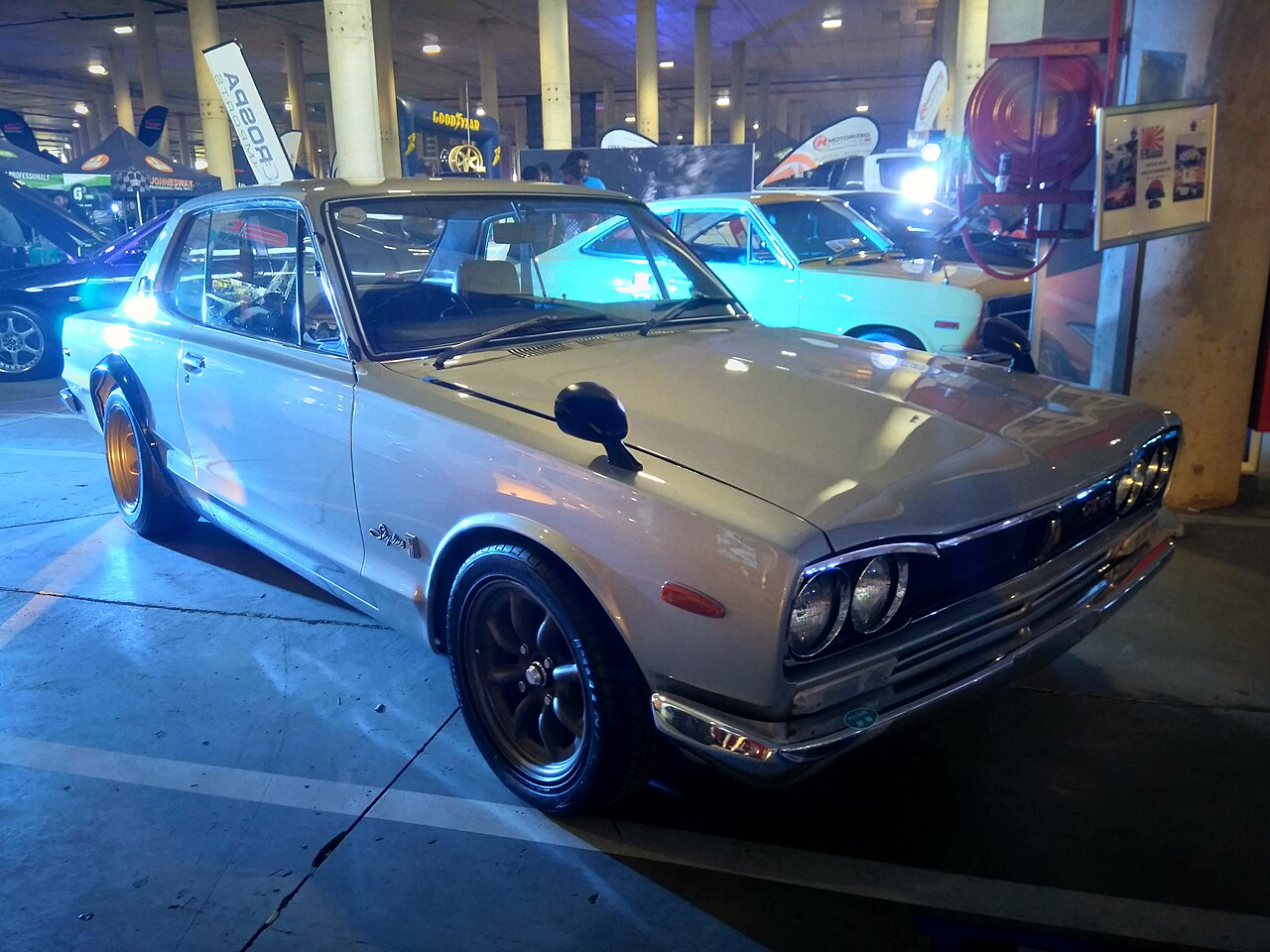
A genuine shakotan build centers on an extremely lowered ride height, often pushed to the practical limit of what the car’s suspension and body clearance will allow, paired with the widest classic Japanese deep-dish wheels that can physically fit under the fender arches. Significant negative camber is a frequent element as well, tilting the tops of the wheels inward for a genuinely aggressive stance that maximizes how far the wheels can be pushed outward toward, or even slightly beyond, the fender line. Unlike kaido racer style’s dramatic flared bodywork, shakotan builds typically feature comparatively mild or even entirely stock body panels, keeping the visual focus squarely on the dramatic stance and wheel fitment rather than aftermarket body modifications.
Shakotan Versus Kaido Racer Style
Shakotan and kaido racer style are sometimes discussed together, and the two scenes genuinely do overlap in enthusiast circles, but they represent distinct points on a spectrum of Japanese lowered-car aesthetics. Where shakotan generally favors comparatively refined, understated bodywork paired with dramatic stance and wheel choices, kaido racer style goes considerably further with exaggerated body kits, large wings, and vibrant paint schemes drawn directly from Super Silhouette racing, covered in a separate guide in this series. Put simply, shakotan tends toward tasteful, stance-focused restraint even at visual extremes, while kaido racer style embraces a louder, more flamboyant, racing-inspired visual language.
⚠️ Caution
Don’t assume an extremely lowered shakotan-style ride height and aggressive negative camber setup is automatically road-legal or will pass vehicle inspection in every jurisdiction, including under Japan’s own current shaken inspection standards. Ground clearance minimums, wheel fitment rules, and camber limits vary considerably by country and region, so anyone building or importing a shakotan-style vehicle should confirm current local regulations rather than assuming a build seen at a Japanese meet is automatically compliant elsewhere.
Shakotan and VIP Style: A Genuine Overlap
VIP style, covered in a separate guide in this series, is sometimes described as sitting at a genuine crossover point between shakotan’s stance-focused philosophy and the luxury, chrome-heavy aesthetic more specific to large Japanese sedans — essentially applying shakotan’s core stance and wheel principles to a luxury-car context, then adding VIP style’s own distinct emphasis on amplified factory luxury. Understanding this relationship helps clarify why these Japanese lowered-car styles can feel visually related to newcomers even though each maintains its own genuinely distinct identity and enthusiast community.
Shakotan’s Global Legacy: Hellaflush and Stance Culture
Shakotan’s genuine influence on international car culture runs deeper than many enthusiasts outside Japan may realize, with the broader global “stance” movement — and specifically the “hellaflush” aesthetic that emphasizes minimal or nonexistent gap between tire and fender — drawing significant inspiration from shakotan’s original 1970s Japanese template of extreme lowering paired with wide, deeply dished wheels. This lineage genuinely matters for understanding contemporary global car culture broadly: a visual language now seen at car meets worldwide, often without explicit reference to its origins, traces a meaningful line of influence back to this specific 1970s Japanese scene.
Wheel Choice as the Central Statement
Because shakotan builds tend to keep bodywork comparatively restrained, wheel choice carries an outsized share of a build’s overall visual statement in a way that’s genuinely central to the style’s identity. Classic, deeply dished Japanese wheel designs from specialist manufacturers remain closely associated with authentic shakotan builds, and enthusiasts within the scene often treat period-correct or period-inspired wheel selection as one of the clearest signals distinguishing a build with genuine roots in the shakotan tradition from a more generic lowered car that simply borrows some surface-level visual elements without engaging with the style’s specific history and conventions.
A Style Built for the Long Term
Unlike some more trend-driven automotive styling movements, shakotan’s core principles have remained genuinely consistent across roughly five decades since its 1970s origins, with contemporary builds still centering on the same fundamental combination of extreme lowering, wide deep-dish wheels, and aggressive camber that defined the style from its earliest days. This consistency reflects something genuinely notable about shakotan specifically: rather than continually reinventing itself to chase changing trends, the scene has largely preserved its founding aesthetic principles, with evolution happening more through refinement of execution and available parts than through any fundamental reimagining of what a proper shakotan build should look like.
Frequently Asked Questions
Q: Is shakotan still an active car culture scene in Japan today?
A: Shakotan remains an active enthusiast tradition in Japan, though like most car subcultures its specific popular trends and community activity level can evolve over time, so checking current Japanese enthusiast community sources gives a more accurate present-day picture than assuming the scene’s earlier decades’ characteristics still apply unchanged.
Q: What kinds of cars are typically built in shakotan style?
A: Shakotan style has historically been applied to a genuinely wide range of classic and modern Japanese cars, from compact coupes to sedans, reflecting the style’s core focus on stance and wheel fitment principles that can be applied across many different vehicle types rather than being tied to one specific body style.
Q: Does shakotan ever overlap with drift car culture?
A: While shakotan and drift culture developed with different primary goals — shakotan for stance and visual statement, drifting for a specific driving discipline — some enthusiasts and builds do draw on both traditions, and the broader “hellaflush” aesthetic referenced above specifically emerged partly through Japan’s mid-2000s drift car styling scene.
Q: Is “shakotan” ever used as a general term for any lowered car, or does it refer specifically to this Japanese style?
A: Within enthusiast circles specifically familiar with Japanese car culture terminology, “shakotan” generally refers specifically to this distinct Japanese lowered-car tradition rather than functioning as a generic catch-all term for any lowered vehicle regardless of style or origin, so using the term precisely helps avoid confusion with other Japanese lowered-car styles covered elsewhere in this guide series.
Final Thoughts
Shakotan’s genuine claim to being the original Japanese lowered-car movement gives it a foundational place in this guide series’ broader exploration of Japan’s car culture landscape — a 1970s scene built on a simple, direct premise (lower is better, wheels should fill the arch) that quietly shaped decades of later styling movements both within Japan and, through hellaflush and global stance culture, well beyond it. Understanding shakotan’s specific stance-focused restraint helps clarify what genuinely distinguishes it from its louder and more elaborate stylistic descendants covered elsewhere in this guide. Next time you spot a heavily camber-tucked, deeply dished wheel setup anywhere in the world, whether at a local car meet or in a photo from an entirely different country, there’s a real chance you’re looking at a direct visual descendant of this specific 1970s Japanese scene, whether the builder realizes it or not.
Image credit: Nissan Skyline GTR “Hakusuka” by Sherwin (CC BY-SA 4.0), via Wikimedia Commons

コメント