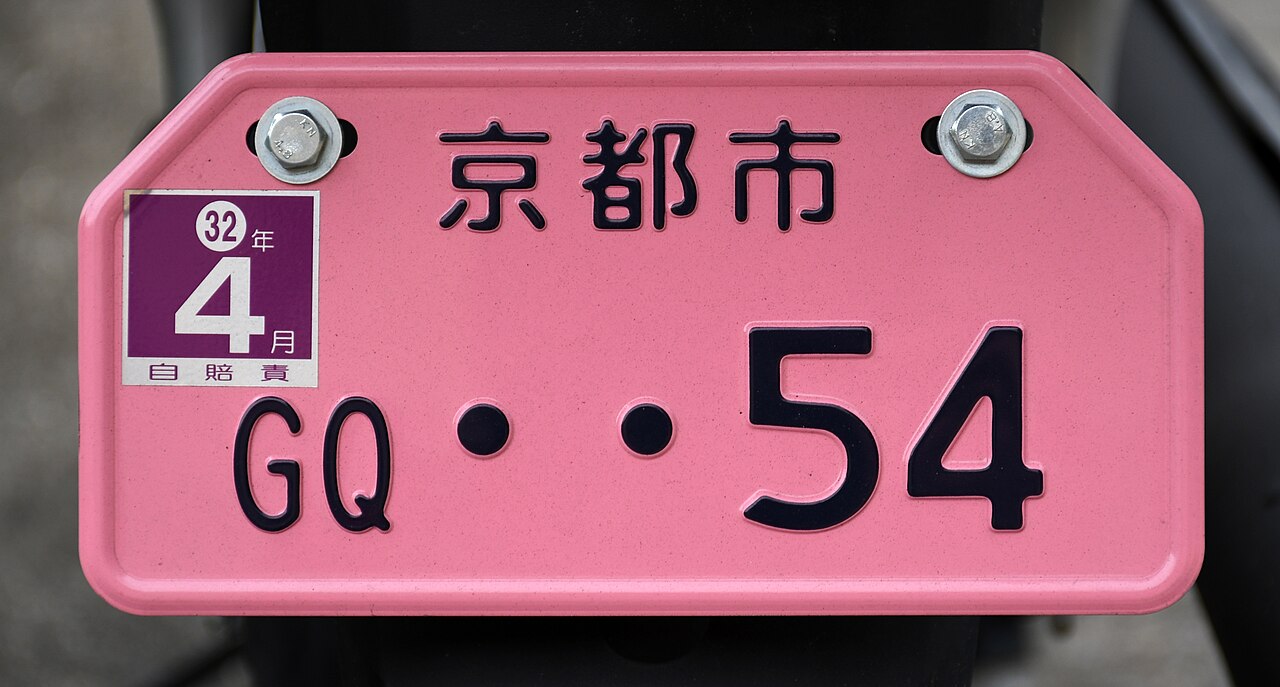
A surprising number of foreign residents in Japan assume that once they’ve bought the legally mandatory car insurance, they’re fully covered in the event of an accident. They’re not. Japan’s system splits coverage into two genuinely distinct products: jibaiseki hoken (自賠責保険), the compulsory insurance every driver must carry, and nin’i hoken (任意保険), the voluntary insurance that most actual real-world coverage depends on. This guide explains exactly what jibaiseki does and doesn’t cover, why nin’i hoken exists to fill that gap, and what happens if you skip either one.
📋 What You’ll Learn in This Guide
- Exactly what jibaiseki hoken covers, and its specific payout caps
- The significant gaps jibaiseki leaves uncovered
- What nin’i hoken actually adds on top
- Whether foreign drivers face different requirements than Japanese citizens
- The real penalties for driving without compulsory coverage
Jibaiseki Hoken: Mandatory, But Narrower Than You’d Expect
Jibaiseki hoken is legally required for every registered vehicle in Japan, and it provides coverage specifically for bodily injury or death caused to third parties in an accident you’re responsible for. The specific payout caps are set at ¥30 million per death, ¥40 million per case of severe permanent disability, and ¥1.2 million per injury. These figures sound reasonable in isolation, but the coverage is genuinely narrow in scope — it applies only to third-party bodily harm.
What Jibaiseki Doesn’t Cover — And It’s a Lot
This is the part that catches many drivers off guard: jibaiseki provides no coverage whatsoever for property damage (including damage to another person’s vehicle), no coverage for your own injuries or those of your passengers, and no coverage for damage to your own vehicle. If you cause an accident that damages another car, injures yourself, or totals your own vehicle, jibaiseki simply doesn’t apply to any of that — you’d be personally responsible for those costs without additional coverage.
💡 Tip
Treat jibaiseki as a legal minimum you’re required to carry, not as meaningful practical protection on its own. Nearly every experienced driver and insurance advisor in Japan strongly recommends carrying nin’i hoken alongside it, precisely because the gaps in jibaiseki’s coverage are significant enough that a serious accident without additional insurance could be financially devastating.
Nin’i Hoken: The Voluntary Coverage That Fills the Gap
Nin’i hoken is optional, but it’s what most of the coverage that actually matters in a real accident comes from. It typically extends liability coverage for injury beyond jibaiseki’s caps — often to an effectively unlimited amount — adds liability coverage for property damage to others, covers damage to your own vehicle, and covers your own medical costs and injuries as the driver or as a passenger. In practice, nin’i hoken is what transforms Japan’s insurance system from “technically legal to drive” into “genuinely protected if something goes wrong.”
Are Requirements Different for Foreign Drivers?
No — car insurance requirements in Japan apply identically to Japanese citizens and foreign residents alike. Every driver, regardless of nationality or residency status, must carry compulsory jibaiseki insurance before legally operating a vehicle, and the same strong practical recommendation to add nin’i hoken applies equally to everyone driving in the country.
⚠️ Caution
Driving without jibaiseki carries real legal consequences, not just a theoretical risk: penalties can include up to one year in prison or a fine of up to ¥500,000, and driving uninsured counts as a traffic violation that can lead to license suspension. This isn’t a minor paperwork requirement to overlook — verify your jibaiseki coverage is current and valid before you ever get behind the wheel in Japan.
Putting It Together: What You Actually Need
In practice, virtually every knowledgeable driver in Japan treats jibaiseki and nin’i hoken as a package rather than choosing one or the other — jibaiseki because it’s legally required, and nin’i hoken because it’s what actually protects you financially in the event of a serious accident involving property damage, your own vehicle, or your own injuries. When budgeting for car ownership in Japan, plan for both from the start rather than treating nin’i hoken as an optional add-on to consider later.
Frequently Asked Questions
Q: Can I legally drive in Japan with only jibaiseki and no nin’i hoken?
A: Yes, legally you can — jibaiseki alone satisfies the mandatory requirement. But given how narrow its coverage is, driving without nin’i hoken means accepting significant personal financial risk in the event of any accident involving property damage or injuries beyond what jibaiseki covers.
Q: How is nin’i hoken priced compared to jibaiseki?
A: Pricing varies significantly by provider, coverage level, driver history, and vehicle type, so get quotes from multiple providers directly rather than assuming a fixed cost — unlike jibaiseki, which has more standardized government-regulated pricing, nin’i hoken is a competitive commercial insurance product.
Final Thoughts
Understanding the real difference between jibaiseki and nin’i hoken matters enormously for anyone driving in Japan, foreign resident or otherwise — the mandatory coverage satisfies the legal requirement but leaves substantial financial exposure uncovered. Budget for both from the outset, verify your jibaiseki coverage stays current, and treat nin’i hoken as essential practical protection rather than an optional extra.
Image credit: Japanese vehicle registration plate, via Wikimedia Commons (CC BY-SA 4.0)



コメント