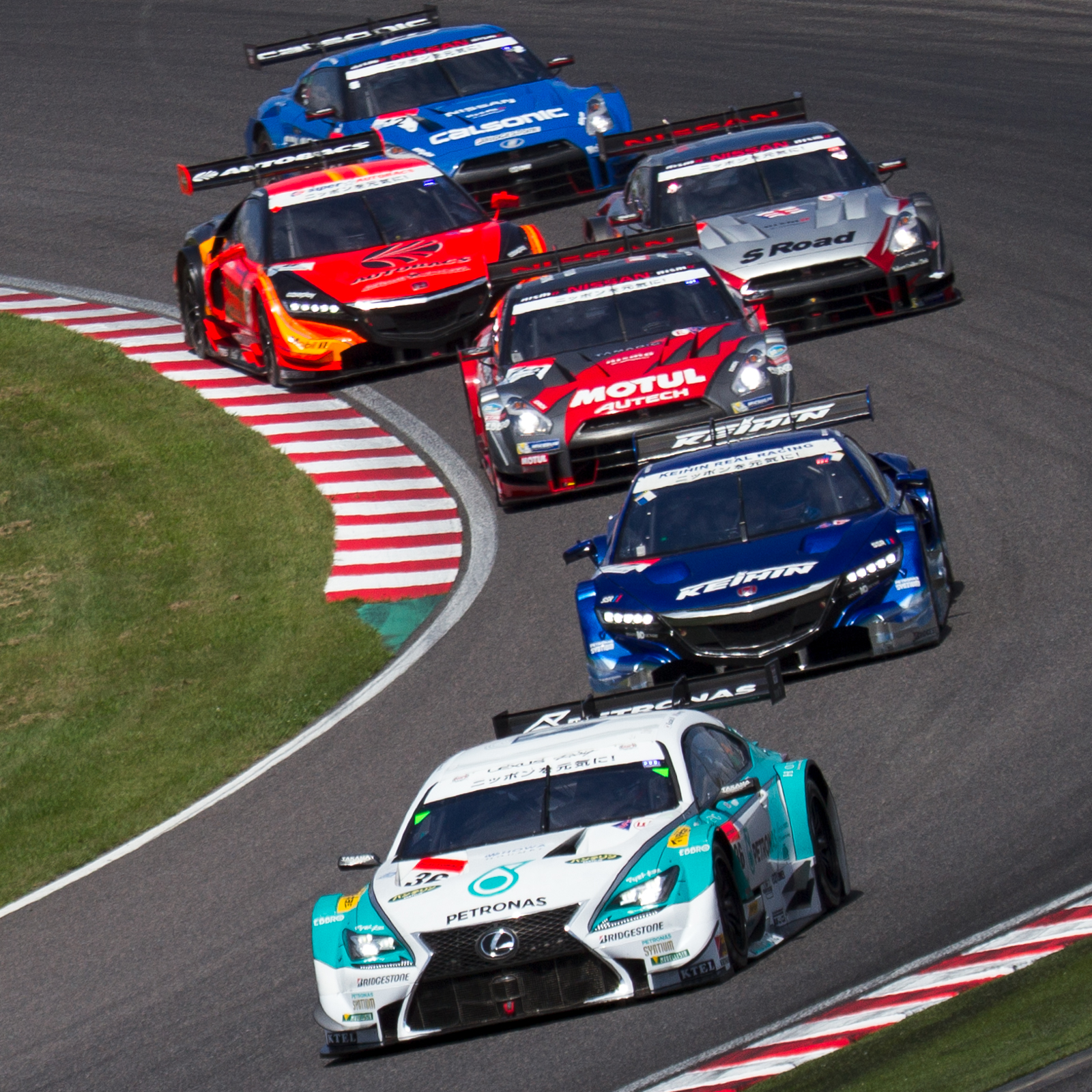
If you’ve spent any time following JDM culture without yet watching Super GT, you’re missing the single best window into how Japan’s major manufacturers actually go racing. Running since 1993 under its current name since 2005, Super GT is Japan’s premier sports car racing series, pitting purpose-built race cars wearing the silhouettes of the Toyota GR Supra, Nissan Z, and Honda’s latest GT500 contender against each other on the country’s most storied circuits. For overseas fans, it offers something genuinely different from Western motorsport: a two-tier class structure, a distinctive success-ballast system designed to keep competition close all season, and a manufacturer rivalry with real commercial stakes behind it. This guide explains how it all works.
📋 What You’ll Learn in This Guide
- The difference between the GT500 and GT300 classes
- Which manufacturers and cars currently compete at the top level
- How Super GT’s success-ballast system keeps the championship competitive
- Where and when the races take place
- How to follow the series as an overseas fan
- Two Classes, One Grid: Understanding GT500 and GT300
- The Manufacturers: A Genuine Three-Way Battle
- The Success-Ballast System: Why Super GT Stays Competitive
- GT300’s Diversity: A Different Kind of Racing
- Race Format and Weekend Structure
- Where the Races Take Place
- How to Follow Super GT as an Overseas Fan
- Frequently Asked Questions
- Final Thoughts
Two Classes, One Grid: Understanding GT500 and GT300
Super GT’s defining structural feature is that both of its classes race together on the same track at the same time, which takes some getting used to for fans coming from series with strictly separated class fields. GT500 is the top tier — purpose-built silhouette race cars that share only their basic shape and badging with the road cars they’re named after, currently producing well in excess of 650 horsepower. GT300, despite the name referencing an older, now largely symbolic horsepower ceiling, actually spans a wider range of roughly 400 to just over 550 horsepower in practice, but critically, GT300 cars are far more tightly regulated in terms of chassis modification, keeping them meaningfully closer to their road-going counterparts and making the class a genuinely more affordable entry point for privateer teams than GT500.
💡 Tip
Because GT500 and GT300 cars share the track simultaneously despite their significant performance difference, a huge part of the strategic and entertainment value in watching Super GT comes from how GT500 leaders navigate traffic among slower GT300 cars during a race — a dynamic that doesn’t exist in series with strictly separated class racing, and one worth paying attention to even during laps that might otherwise look uneventful on a simple lap-time chart.
The Manufacturers: A Genuine Three-Way Battle
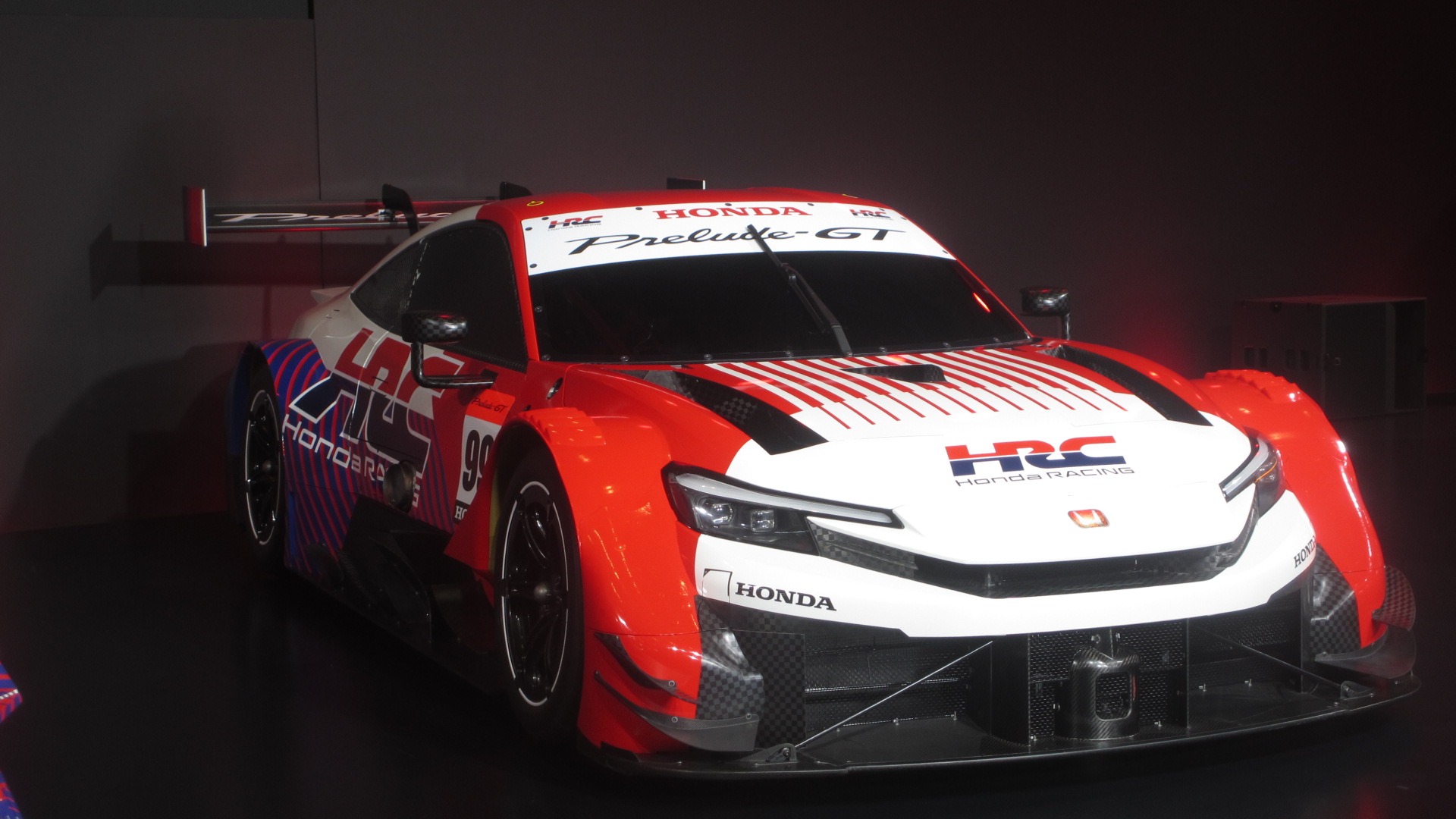
GT500 currently features Toyota, Nissan, and Honda fielding factory-backed efforts, each wearing the silhouette of a real production nameplate even though the underlying race car shares little beyond badging and general shape with anything you could buy from a dealership. Toyota campaigns the GR Supra, which returned to the series in 2020 under the shared “Class One” technical regulations that Super GT adopted in cooperation with Germany’s DTM series (though that direct regulatory cooperation with DTM has since evolved). Nissan replaced its long-running GT-R with the Nissan Z starting in 2022, ending an extraordinary 14-year run for the GT-R nameplate in the series. Honda’s GT500 program has gone through the most dramatic recent change: after campaigning a mid-engine NSX-GT through the early 2020s, Honda shifted to a front-engine layout for its GT500 program, introducing a car based on the Prelude nameplate for the 2026 season — a genuinely significant shift given how central the NSX had been to Honda’s motorsport identity for years prior.
The Success-Ballast System: Why Super GT Stays Competitive
One of Super GT’s most distinctive features, and one that regularly confuses newcomers from other racing backgrounds, is its success-ballast (or “success weight”) system. After each race, cars that finished well are required to carry additional ballast weight in subsequent races, while cars that finished poorly carry less — a deliberate mechanism designed to prevent any single team or manufacturer from running away with the championship early in the season. This produces a genuinely different competitive dynamic than most Western series: a dominant car from one round can find itself struggling to even reach the podium a few races later purely because of accumulated ballast, and championship battles frequently stay mathematically alive until the final round of the season as a direct result.
⚠️ Caution
Don’t judge a car or team’s raw pace purely by where they finish late in the season without checking their accumulated ballast — a team running near the back of GT500 in the final rounds might simply be carrying a heavy ballast penalty from earlier dominant performances, not genuinely lacking pace. Understanding the ballast situation for each car is essential context for interpreting results accurately, especially for viewers new to the series.
GT300’s Diversity: A Different Kind of Racing
While GT500 gets most of the manufacturer spotlight, GT300 arguably offers more variety for fans who enjoy seeing a wide range of car types competing together. The class typically includes entries from Japanese manufacturers alongside European GT3-homologated cars from brands like Porsche, Mercedes-AMG, Lamborghini, and others, competing under a “GT300” banner that accommodates both dedicated GT3 machinery and Japan-specific GT300-spec cars built to different but performance-equalized regulations. This creates genuinely varied racing within the class itself, with different car concepts and manufacturer philosophies competing on relatively even terms — a contrast to GT500’s more tightly unified Class One technical framework shared between the three Japanese manufacturers.
Race Format and Weekend Structure
Most Super GT rounds follow a sprint-race format rather than the multi-hour endurance format some fans might associate with sports car racing from series like the World Endurance Championship — typical races run for a set number of laps or a time limit generally in the range of a few hours, with a mandatory pit stop and driver change built into the regulations for most rounds. The notable exception is the Suzuka 1000km, historically one of the calendar’s marquee events, which as its name suggests runs to a genuinely different, longer endurance format that tests strategy, tire management, and driver stamina in a way the shorter sprint rounds don’t. If you’re new to the series and want to sample its full range, watching both a standard sprint round and the Suzuka endurance race gives a much more complete picture than either alone.
Where the Races Take Place
Super GT’s calendar rotates through Japan’s most storied circuits, with Fuji Speedway typically hosting multiple rounds each season — including a traditional fixture during Japan’s Golden Week holiday period in early May — alongside Suzuka Circuit, Mobility Resort Motegi, and other venues across the country. Exact dates shift from year to year, so check the official Super GT calendar directly when planning to attend or follow a specific round, rather than relying on a previous season’s schedule.
How to Follow Super GT as an Overseas Fan
Super GT has made real efforts in recent years to build an international following, with English-language broadcast and streaming options more widely available than in the series’ earlier history, along with an increasingly active English-language social media presence from the series itself and several of its teams. For overseas enthusiasts specifically interested in the JDM cars covered throughout this guide series, watching Super GT offers a direct look at how the manufacturers behind those road cars approach top-level motorsport today — a living connection between the JDM culture built around road cars and the racing programs that, in earlier eras especially, directly influenced models like the Skyline GT-R and Supra covered elsewhere in this series.
Frequently Asked Questions
Q: Is Super GT the same as Japan’s Super Formula series?
A: No — Super Formula is Japan’s premier open-wheel single-seater series, comparable in concept to Formula 2 or IndyCar, while Super GT is a sports car/GT series featuring closed-cockpit cars based on production nameplates. They’re separate championships, though some drivers and teams compete across both.
Q: Do GT500 cars have any meaningful mechanical connection to their road-going namesakes?
A: Very little beyond general silhouette and badging — these are purpose-built race cars developed under shared technical regulations, not modified production vehicles. The connection is much closer to branding and manufacturer identity than genuine mechanical lineage.
Q: Is GT300 worth watching, or should I focus purely on GT500?
A: Many longtime fans specifically recommend paying attention to GT300 as well — it features a wider variety of manufacturers and car types, generally closer racing given the tighter regulations, and often more accessible teams and drivers for fans interested in following specific personalities across a season.
Q: Can overseas fans attend races in person without speaking Japanese?
A: Yes — circuits like Fuji Speedway and Suzuka are well accustomed to international visitors, particularly for marquee events, and ticketing information is often available in English on official series and circuit websites. As with any trip, some basic preparation and a translation app will smooth over the gaps, but language shouldn’t be treated as a serious barrier to attending.
Final Thoughts
Super GT offers a genuinely different flavor of motorsport than most Western fans are used to, built around a distinctive dual-class format and a competitive-balance system designed to keep championships alive deep into the season. For anyone with a genuine interest in the JDM manufacturers and cars covered throughout this guide series, following Super GT provides direct insight into how those same companies approach performance and competition at the highest level available in Japan today.
Image credit: 2014 Super GT Suzuka race start (GT500) by Morio (CC BY-SA 4.0), via Wikimedia Commons

.jpg)
コメント