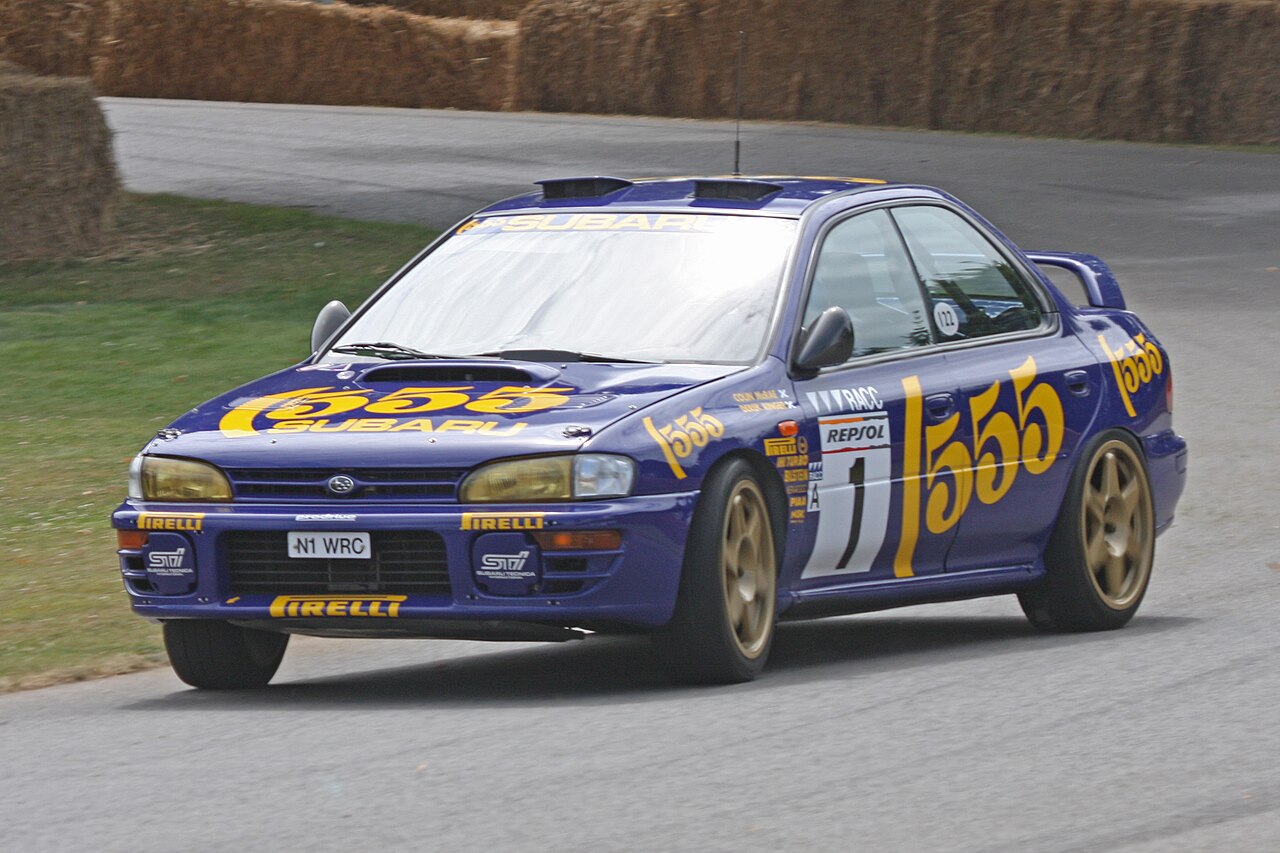
A remarkable number of JDM legends exist purely because of motorsport paperwork. The Nissan Pulsar GTI-R, the Mazda Savanna RX-3, and the Subaru Legacy RS Turbo all owe their existence — or at least their specific factory configuration — to FIA homologation requirements that forced manufacturers to build a minimum number of genuinely road-legal examples before they could go rallying with the performance version. This guide explains how Group A and Group N actually worked, why the production minimums mattered so much, and why understanding this regulatory history changes how you should think about buying any homologation-special JDM car.
📋 What You’ll Learn in This Guide
- Why Group A required manufacturers to actually sell the cars, not just race them
- How the production minimum changed from 5,000 to 2,500 units in 1993
- The real difference between Group A and Group N’s philosophy
- How homologation periods actually expired
- Why this history should shape how you evaluate any homologation-special JDM car
Group A: Modified Racing, But Only If You Actually Built the Road Car First
Group A rules gave manufacturers meaningful freedom to modify and tune competition cars away from their showroom specification — but that freedom came with a strict prerequisite: a manufacturer had to actually put a genuine, road-legal version of the car into production first, in significant enough numbers that it was clearly a real product rather than a paper exercise built purely to unlock racing eligibility. This is precisely why cars like the Pulsar GTI-R exist as genuine, complete production vehicles rather than one-off prototypes — the regulations demanded it.
The Production Minimum: 5,000 Units, Then 2,500
Originally, Group A homologation required manufacturers to build 5,000 units of the qualifying model worldwide within a 12-month period. That threshold was reduced to 2,500 units in 1993, making homologation-special production runs somewhat more feasible for manufacturers targeting a narrower audience. This is exactly the mechanism behind the Pulsar GTI-R’s roughly 14,613-unit production run — comfortably above the 5,000-unit minimum that applied when it was built, with genuine market demand carrying total production well beyond the regulatory floor.
💡 Tip
When you’re evaluating any homologation-special JDM car, it’s worth understanding which specific production minimum applied to it, since that context explains why the car exists in the specific numbers it does. A car built right at or just above the minimum threshold reflects a manufacturer building the smallest viable run to satisfy the rules, while significantly higher production, as with the GTI-R, suggests genuine commercial demand beyond the regulatory requirement.
Group N: The “Showroom Class” Alternative
Running alongside Group A, Group N — often described as the “showroom class” — took the opposite philosophy: it provided a category for standard, large-scale production vehicles with much more tightly limited modifications from the manufacturer’s stock specification. This made Group N a genuinely cost-effective way to go rallying with production-based vehicles, appealing to competitors who wanted to race something closer to what they could actually buy at a dealership rather than a heavily modified Group A-spec machine.
How Homologation Periods Actually Expired
Homologation wasn’t permanent once granted — it remained valid for every subsequent year the qualifying volume of production continued, and it extended for seven years after production dropped below roughly 10% of the original minimum (250 units in a given year), at which point the FIA considered the model out of production for homologation purposes. This matters for understanding why manufacturers sometimes kept homologation-special models in limited production even after the bulk of a platform’s sales run had shifted to updated or different variants — keeping homologation technically alive required maintaining at least a trickle of qualifying production.
⚠️ Caution
Don’t assume every performance variant of a rally-associated JDM model was actually built to satisfy homologation requirements specifically — some performance trims were pure road-car marketing exercises with no direct competition eligibility purpose, even on platforms that also had genuine homologation-special variants. Verify a specific car’s actual regulatory history rather than assuming rally connection based on general platform reputation alone.
Why This History Matters to Buyers Today
Understanding Group A and Group N homologation gives real context to why certain JDM classics exist in the specific numbers and configurations they do — these weren’t arbitrary marketing decisions, but the direct product of motorsport regulations that forced manufacturers to build genuine, substantial production runs of cars they might otherwise have kept as pure competition prototypes. That regulatory origin is a meaningful part of what gives homologation specials like the GTI-R their particular collector appeal: they represent motorsport engineering that had to survive contact with real production and real customers, not just a race shop’s one-off build.
Frequently Asked Questions
Q: Does Group A homologation status automatically make a car more valuable?
A: It contributes real historical significance and a genuine story, but value ultimately depends on the specific car’s condition, originality, and rarity within its own production run — homologation history adds context and desirability, not a guaranteed price floor on its own.
Q: Are Group N cars less desirable than Group A cars as collectibles?
A: Not necessarily — Group N’s closer-to-stock philosophy appeals to buyers who specifically want a more original, less heavily modified driving experience, while Group A’s greater modification freedom appeals to those chasing maximum period performance credentials. It’s a matter of what kind of motorsport-adjacent character you’re actually after.
Final Thoughts
Group A and Group N’s production requirements are the quiet regulatory machinery behind some of JDM culture’s most celebrated cars — without these rules, manufacturers would have had far less incentive to put genuinely capable performance variants into real, buyable production. Understanding this history adds genuine depth to how you evaluate any homologation-special JDM classic, connecting the specific production numbers and factory configurations you see today directly back to the FIA rulebook that made them necessary in the first place.
Image credit: 1996 Subaru Impreza WRC, via Wikimedia Commons (CC BY 2.0)

コメント