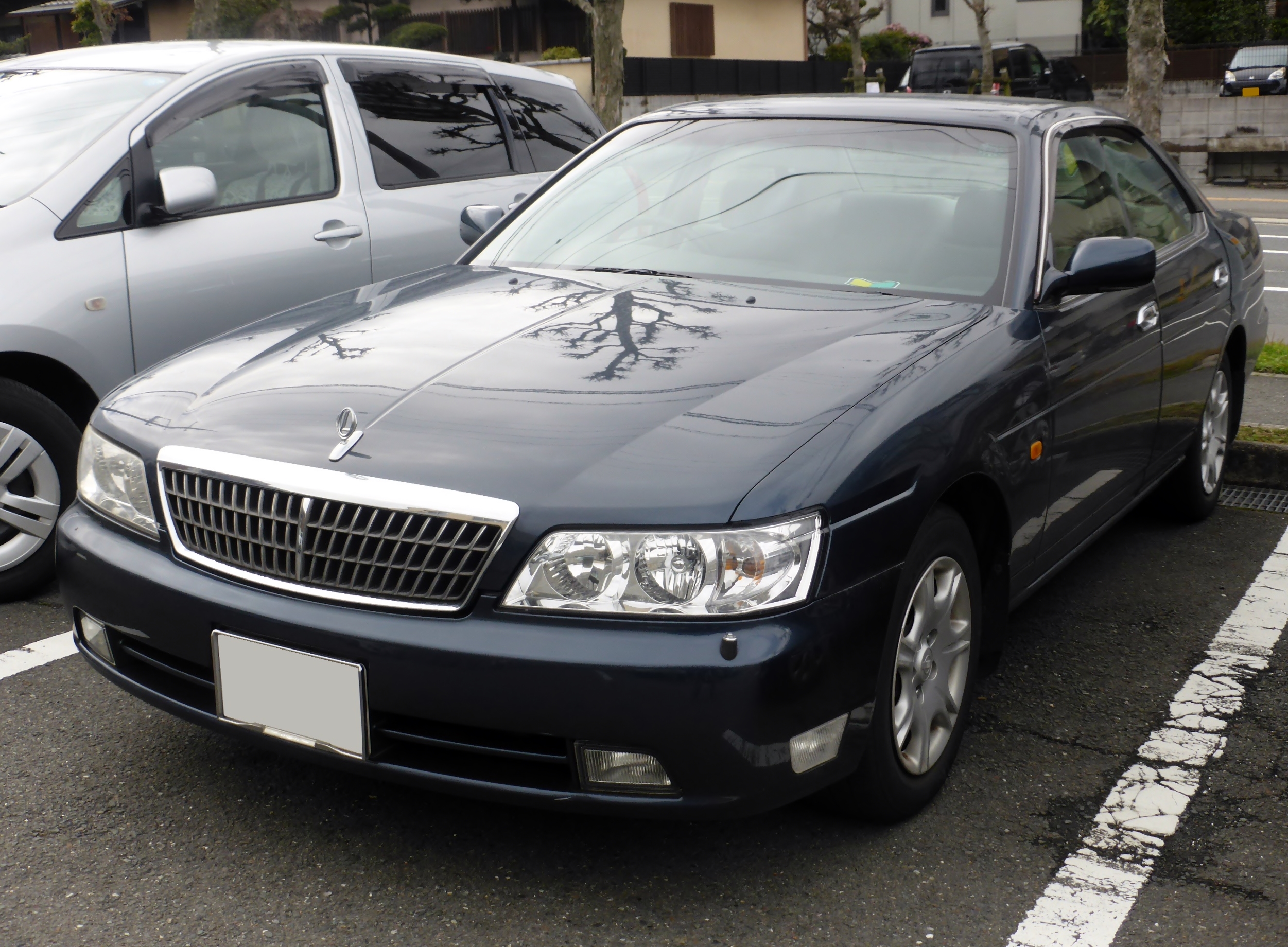
Overshadowed for decades by its more famous Skyline platform-mate, the Nissan Laurel is finally getting genuine enthusiast recognition — a sedan that shared its RB-series engines, chassis architecture, and much of its suspension hardware with the Skyline covered elsewhere in this guide series, while remaining a genuine JDM-exclusive model never officially exported anywhere. This guide focuses on the C33, C34, and C35 generations, the three eras most relevant to today’s import buyers.
📋 What You’ll Learn in This Guide
- Why the Laurel was never officially exported outside Japan
- The Laurel’s close platform and engine relationship with the Skyline
- Engine differences across the C33, C34, and C35 generations
- Why the C33 is often the most cost-effective entry point for enthusiasts
- The Club S Type X: the closest thing to a factory performance Laurel
- A Genuinely JDM-Exclusive Sedan
- The Skyline Connection: Shared Platform, Shared Engines
- The C33 Generation (1988–1992)
- The C34 Generation (1993–1997)
- The C35 Generation (1997–2002): The Final Laurel
- What Drives Value Today
- The Laurel’s Reputation Within Japan’s Sedan Hierarchy
- Interior and Comfort Expectations
- Frequently Asked Questions
- Final Thoughts
A Genuinely JDM-Exclusive Sedan
Across its remarkable 34-year, eight-generation production run from the original C30 in 1968 through the final C35 in 2002, the Laurel was sold exclusively through Nissan’s domestic Motor Store retail channel within Japan — no export variant was ever officially produced, no left-hand-drive version existed, and every single Laurel found outside Japan today arrived there as a genuine gray-market import rather than through any official manufacturer distribution channel. This makes the Laurel a genuinely pure JDM proposition in a way that even some other beloved Japanese performance icons, which did see limited or badge-engineered export in some markets, don’t quite match.
The Skyline Connection: Shared Platform, Shared Engines
Beginning with the C32 generation in 1984, Nissan built the Laurel and the contemporary Skyline sedan on genuinely shared platforms, using shared RB-series engines and large portions of shared suspension hardware across both model lines — a genuine engineering relationship rather than merely superficial similarity. This close mechanical kinship is enormously useful practical context for import buyers: much of the parts knowledge, tuning expertise, and general mechanical understanding built up around the far more famous Skyline applies directly to the Laurel, giving buyers of this comparatively overlooked sedan meaningfully better parts and knowledge access than a truly standalone, unrelated JDM-exclusive model would offer.
The C33 Generation (1988–1992)
The C33, launched in 1988, was built on the same platform underpinning the contemporary R32 Skyline sedan, and offered the full breadth of the RB-series engine lineup available at the time — the naturally aspirated RB20E and RB20DE, the turbocharged RB20DET, and the larger-displacement RB25DE and RB25DET. The C33 additionally shared significant suspension hardware with the S13-generation Silvia, covered elsewhere in this guide series, and this specific combination of shared parts across multiple contemporary Nissan models is a major reason the C33 has become known among enthusiasts today as the most cost-effective entry point into genuine Laurel ownership, given the correspondingly broader parts and knowledge ecosystem this part-sharing created.
💡 Tip
If budget is a genuine priority in your Laurel search, the C33’s extensive parts-sharing with both the R32 Skyline and S13 Silvia platforms makes it worth prioritizing specifically for this practical reason, not simply as a “cheaper but lesser” option. A well-sorted RB20DET or RB25DET C33 offers genuine RB-series turbocharged performance with meaningfully easier parts sourcing than some of its more standalone JDM contemporaries.
The C34 Generation (1993–1997)
The C34, arriving in 1993 alongside the contemporary R33 Skyline, dropped the pillarless hardtop body style that earlier Laurel generations had offered, a direct consequence of updated Japanese crash-safety regulations that required a structural B-pillar for continued compliance. The C34 also rationalized its engine lineup to an RB-only range (RB20E, RB20DE, RB25DE, and RB25DET), dropping some of the C33’s broader engine spread, alongside an RD28 diesel option for buyers prioritizing fuel efficiency and long-distance running costs over outright performance.
The C35 Generation (1997–2002): The Final Laurel
The C35, launched in 1997 tracking the contemporary R34 Skyline, would prove to be the final Laurel generation before Nissan discontinued the nameplate entirely in 2002 after 34 years of continuous production. The most performance-oriented C35 variant, the Club S Type X, paired the turbocharged RB25DET with a dedicated Type X aerodynamic package, sport-tuned suspension calibration, and a sport-focused interior trim — representing the closest thing Nissan ever produced to a genuine, factory-built performance Laurel, distinct from the more mainstream, comfort-oriented trims that made up the bulk of Laurel sales across its history.
⚠️ Caution
If you’re specifically seeking a manual-transmission Club S Type X, understand you’re chasing a genuinely rare configuration — the overwhelming majority of C35 Laurels, including most Club S Turbo examples, were sold with automatic transmissions, making a factory five-speed manual example a real rarity rather than something to expect as a standard, easily found configuration. Budget realistic time and patience into your search if this specific combination matters to you.
What Drives Value Today
Across all three generations covered in this guide, turbocharged variants and manual-transmission-equipped examples command the strongest values, alongside clean, well-preserved original examples that have become genuinely harder to find as the broader supply of quality 1990s Nissan performance and near-performance models tightens across the used market generally. This pattern — turbo and manual commanding a premium, with overall supply tightening — mirrors trends seen across much of the broader 1990s JDM market covered elsewhere in this guide series, though the Laurel specifically remains meaningfully less expensive than its more famous Skyline platform-mate for buyers willing to accept a four-door sedan body style over the Skyline’s more overtly sporting coupe options.
The Laurel’s Reputation Within Japan’s Sedan Hierarchy
Within Japan’s domestic market, the Laurel historically occupied a distinctive middle position in Nissan’s sedan lineup — positioned above mainstream family sedans but below the genuinely flagship Cedric and Gloria models, and appealing to a buyer demographic that wanted a comfortable, well-equipped, mildly upscale sedan with the option of genuine turbocharged performance in higher trims, without stepping fully into premium luxury sedan territory. This specific market positioning is worth understanding as context for the Laurel’s overall character: it was never conceived as an outright sports sedan competing directly against something like a contemporary BMW 3 Series, but rather as a comfortable, versatile daily driver that happened to offer genuine turbocharged RB-series performance as an available option for buyers who wanted it.
Interior and Comfort Expectations
Given its positioning as a comfortable, everyday sedan rather than a stripped-down performance special, the Laurel across all three generations covered in this guide typically offers a genuinely pleasant, well-equipped interior by the standards of its era — a meaningful practical advantage for buyers planning genuine daily or regular use rather than purely occasional enthusiast driving. This comfort-oriented character, combined with the genuine RB-series turbocharged performance available in higher trims, is a large part of the Laurel’s specific appeal: a buyer doesn’t have to sacrifice everyday usability and comfort to access authentic Nissan turbocharged inline-six performance, a genuinely different trade-off than some more overtly sports-focused JDM contemporaries require.
Frequently Asked Questions
Q: Is the Laurel a genuinely different car from the Skyline, or essentially a rebadged version?
A: The Laurel and Skyline sedan shared substantial platform and mechanical architecture from the C32 generation onward, but they were genuinely distinct model lines with different styling, trim strategies, and market positioning within Nissan’s own lineup, not simply a badge-engineering exercise. Think of them as close mechanical cousins rather than the same car wearing different names.
Q: Since the Laurel was never officially exported, does this create any specific import complications?
A: No specific complications beyond the standard used JDM vehicle import process covered elsewhere in this guide series apply specifically because of the Laurel’s export history — the general age-based eligibility rules, auction sourcing, and shipping logistics all apply the same way they would to any other genuine JDM-market vehicle being imported as a used car.
Q: Which generation offers the best balance of performance and value for a first-time Laurel buyer?
A: The C33, given its extensive parts-sharing with the R32 Skyline and S13 Silvia platforms, is frequently recommended specifically for buyers newer to Laurel ownership, since the broader parts and knowledge ecosystem this sharing creates genuinely reduces some of the practical friction that can come with owning a less mainstream JDM-exclusive model.
Final Thoughts
The Nissan Laurel’s status as a genuinely JDM-exclusive sedan sharing real engineering DNA with the far more celebrated Skyline makes it a compelling option for buyers seeking authentic RB-series turbocharged performance in a less obvious, currently less expensive package. Whether you gravitate toward the C33’s cost-effective parts ecosystem, the C34’s regulation-driven body style changes, or the C35’s genuine Club S Type X performance variant, understanding the Laurel’s close Skyline kinship gives you real practical advantages most standalone JDM models simply can’t offer — a genuinely rewarding car for buyers willing to look past its lower profile in favor of real substance.
Image credit: Nissan Laurel Medalist (C35) (CC0), via Wikimedia Commons
コメント