“Driving in Japan” isn’t really one single experience — piloting a rental car through central Tokyo’s dense grid of streets and driving a mountain road through rural Nagano or Hokkaido’s open countryside are genuinely different undertakings, with different challenges, different rhythms, and honestly, different advice about whether you should even bother renting a car in the first place. Understanding this distinction before you plan your trip will help you make a smarter decision about where and when to actually get behind the wheel. This guide breaks down exactly how these two driving environments differ.
📋 What You’ll Learn in This Guide
- Why driving in central Tokyo is often more trouble than it’s worth
- The real cost and scarcity of urban parking
- What makes rural and mountain driving genuinely rewarding but demanding
- Which regions of Japan actually benefit most from having a car
- How to decide where a rental car fits into your specific itinerary
- Why Central Tokyo Driving Is Often More Trouble Than It’s Worth
- The Real Cost and Scarcity of Urban Parking
- What Makes Rural and Mountain Driving Different
- The Upside: Rural Japan Genuinely Rewards Driving
- Making the Decision for Your Own Itinerary
- Holiday and Seasonal Traffic Patterns Worth Knowing
- Combining Train and Car Effectively
- Frequently Asked Questions
- Final Thoughts
Why Central Tokyo Driving Is Often More Trouble Than It’s Worth
Tokyo’s world-class train and subway network is genuinely one of the best urban public transit systems anywhere, and this fact alone should heavily influence your decision about driving within the city itself. Central Tokyo traffic tends to be dense and consistently busy throughout much of the day, rather than following the sharper commute-hour peaks and quiet off-peak lulls you might expect from other major cities, meaning there’s rarely a genuinely “easy” time to drive through the urban core. Add in a complex, dense street grid that can be genuinely disorienting even for confident drivers unfamiliar with the area, and the case for driving within central Tokyo specifically becomes weak for most visitors — public transportation is almost always faster, cheaper, and considerably less stressful for getting around the city itself.
The Real Cost and Scarcity of Urban Parking
Even if traffic itself doesn’t deter you, parking will. More than 95 percent of Japanese streets have no legal street parking at all, even during the day, meaning you’re reliant on paid parking lots and structures throughout your visit. In major urban centers like Tokyo, typical paid parking runs somewhere around ¥300 to ¥400 per hour, with all-day rates commonly capped somewhere around ¥2,000, though prices can run considerably higher in especially central or popular districts. This isn’t just an inconvenience — it’s a genuine cost that adds up quickly if you’re driving into central areas repeatedly, and finding an available, reasonably priced parking structure near your specific destination can itself become a meaningful part of your travel time.
⚠️ Caution
Never assume you can simply park on a residential Tokyo street while you run a quick errand, even briefly. Japan’s parking enforcement is genuinely strict, and illegally parked vehicles are commonly ticketed or, in some cases, towed at the owner’s considerable expense. The near-total absence of casual street parking isn’t a minor inconvenience to work around — it’s a structural feature of how Japanese cities manage vehicle traffic, and it should factor heavily into your decision about whether to drive into central urban areas at all.
What Makes Rural and Mountain Driving Different
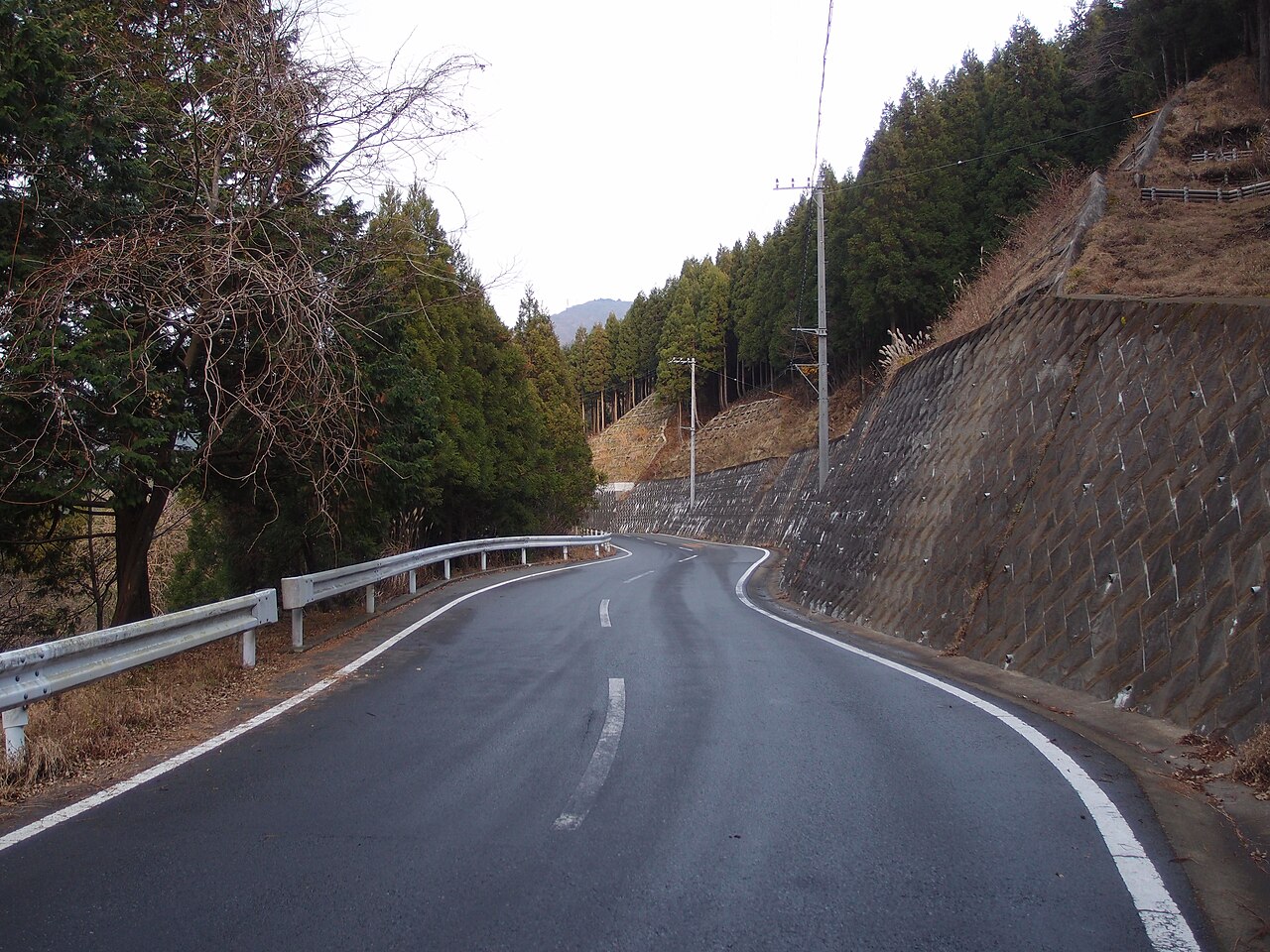
Step outside major metropolitan areas, and the entire character of driving shifts. Traffic congestion drops dramatically, often replaced by genuinely light, pleasant road conditions, particularly outside of typical commuting hours. But rural driving brings its own distinct challenges: mountain roads throughout much of Japan’s countryside can be extremely narrow, sometimes reduced to a single lane in places, occasionally requiring one vehicle to reverse a short distance along a steep, winding road to let an oncoming car pass — a genuinely different driving skill than anything most urban or highway driving demands. Road width can vary considerably with relatively little margin for error on some rural and mountain routes, meaning careful, attentive driving matters even more than it might on a wider, more forgiving urban road.
💡 Tip
A compact car, or even a kei car, is a genuine practical advantage rather than a compromise when navigating Japan’s narrower rural and mountain roads. If you’re renting specifically for a countryside itinerary, resist the temptation to book a larger vehicle for comfort — the smaller footprint of a compact or kei-class rental will make tight mountain roads and rural parking considerably less stressful to navigate.
The Upside: Rural Japan Genuinely Rewards Driving
Despite the narrow-road challenges, rural Japan is where a car often transforms your trip rather than merely providing convenience. Japan’s deep countryside frequently has limited train schedules, early final departures, and long gaps between services that make spontaneous, flexible exploration genuinely difficult without your own vehicle. Some of Japan’s most rewarding, memorable landscapes — small villages down single-lane roads through rice fields, mountain passes, coastal routes threading between fishing towns — simply aren’t accessible by train at all. Regions like Hokkaido, with its vast, sparsely populated open landscape, and the Noto Peninsula, known for its scenic coastal driving routes, are frequently cited as places where having a car doesn’t just help — it fundamentally unlocks a kind of travel experience the train network can’t replicate.
Road quality itself in rural Japan is also generally excellent by international standards — well-maintained surfaces, clear and consistent signage, and speed limits that are genuinely enforced rather than treated as rough suggestions, all of which make even Japan’s most remote roads feel considerably safer and more predictable than “rural driving” might suggest in some other countries.
Making the Decision for Your Own Itinerary
The practical takeaway for most visitors: use Tokyo’s (and other major cities’) excellent public transportation for getting around within those urban cores, and reserve a rental car specifically for the portions of your trip that take you into rural areas, smaller cities, or regions genuinely underserved by rail. Many visitors find the ideal approach is picking up a rental car at the point where their itinerary transitions from city to countryside, rather than either driving throughout an entire trip or avoiding cars entirely regardless of destination. This hybrid approach lets you avoid Tokyo’s traffic and parking headaches while still gaining full access to the rural freedom and flexibility a car genuinely provides once you’re outside the major urban centers.
Holiday and Seasonal Traffic Patterns Worth Knowing
One traffic pattern that surprises visitors expecting rural roads to always be quiet is Japan’s holiday travel surge. During major holiday periods — Golden Week in late April and early May, the Obon holiday in mid-August, and the New Year period — expressways connecting Tokyo and other major cities to popular rural and coastal destinations can become genuinely, severely congested as large numbers of city residents drive out to the countryside simultaneously. If your itinerary includes significant driving during any of these specific windows, it’s worth researching current traffic forecasts and, where possible, adjusting your departure timing to avoid the heaviest congestion, since even normally light rural highway routes can back up substantially during these concentrated holiday travel periods.
Combining Train and Car Effectively
For many visitors, the most efficient overall strategy blends both transportation modes deliberately rather than choosing one exclusively for an entire trip. A common, well-tested approach involves taking the shinkansen (bullet train) or regular rail service between major cities, where trains are almost always faster and less stressful than driving, then picking up a rental car specifically at a regional station once you’ve arrived in an area where you plan to explore more rural surroundings. This lets you avoid highway driving between major cities entirely (where trains typically win decisively on both speed and stress level) while still gaining full access to the flexibility a car provides once you’re in a specific region’s countryside. Many rental car companies specifically operate convenient pickup counters at regional train stations for exactly this kind of hybrid itinerary.
Frequently Asked Questions
Q: Is driving in smaller cities (not Tokyo, but still urban) similarly difficult?
A: Generally somewhat easier than central Tokyo specifically, since smaller cities tend to have less traffic density and sometimes more available parking, but the same general principle applies — public transportation is often still the more practical choice within a smaller city’s own core, with driving becoming more valuable once you’re heading toward its surrounding rural areas.
Q: Are there apps or resources that help identify particularly narrow or challenging rural roads in advance?
A: Most modern navigation apps, including Google Maps, will show road width visually on the map and can factor road type into route suggestions, though it’s still worth building in extra time and caution for any route through genuinely mountainous or remote terrain regardless of what the app’s estimated travel time suggests.
Q: Does fuel availability differ meaningfully between city and rural driving?
A: Yes, somewhat — gas stations are considerably denser in urban areas, while rural routes, particularly through mountainous or sparsely populated regions, can have longer gaps between stations. It’s a reasonable habit to refuel earlier rather than later when driving through more remote parts of your rural itinerary, rather than assuming a station will appear exactly when you need one.
Final Thoughts
Tokyo and rural Japan essentially call for two different driving strategies, not one uniform approach. In the city, let Japan’s exceptional public transportation do the work, and skip the genuine hassle and expense of urban traffic and parking. Once you’re heading into the countryside, embrace the narrower, more demanding roads as part of a driving experience that genuinely opens up parts of Japan the train network simply can’t reach. Planning your itinerary with this distinction in mind, rather than treating “driving in Japan” as a single, uniform decision, will make for a smoother, more enjoyable trip regardless of which regions you’re visiting.
Image credit: Mountain road at Yabitsu Pass by Guilhem Vellut (CC BY 2.0), via Wikimedia Commons
.jpg)
コメント