📋 Summary
- Cusco traces its roots to 1977 as Carrosser Co. Ltd., launching its now-famous Cusco brand name in 1981 as it moved from pure motorsport development into selling performance parts to the general public
- TEIN, whose name comes from “Technical Innovation,” was founded in Yokohama in 1985, beginning with OEM shock absorber production before becoming one of the most recognized names in aftermarket coilover suspension
- HKS, already established as a turbocharging pioneer, has produced its own long-running Hipermax coilover lineup for well over a decade, illustrating how the major Japanese tuning houses often expand well beyond their original specialty
- Each brand takes a somewhat different engineering philosophy toward suspension design, making understanding their backgrounds genuinely useful when choosing a coilover system for a specific build goal
A car’s engine and wheels tend to get the most visual attention, but suspension is where a genuinely well-built JDM performance car actually earns its reputation on a track or touge road. Behind the coilover kits and sway bars that define how these cars actually handle sit several specialist Japanese companies with decades of dedicated engineering history, each with its own particular approach and specialty.
- Cusco: Motorsport Roots From the Start
- TEIN: Technical Innovation From Yokohama
- HKS Hipermax: A Turbo Specialist’s Suspension Line
- How These Companies’ Philosophies Differ in Practice
- Understanding Basic Coilover Terminology
- Why Buying Genuine Parts Matters for Suspension Specifically
- Frequently Asked Questions
Cusco: Motorsport Roots From the Start
Cusco’s origins trace back to 1977, when the company was established as Carrosser Co. Ltd. with a dedicated focus on motorsport development within Japan. The company launched its now-familiar Cusco brand name in 1981, marking a shift toward also selling performance parts directly to enthusiast customers rather than remaining purely focused on competition applications. Headquartered in Gunma Prefecture, Cusco has maintained a consistent motorsport-first development philosophy throughout its history, with products generally described by the company as engineered and tested on track before being adapted for street use.
Cusco’s product range extends well beyond coilovers specifically, including a wide array of chassis reinforcement components like strut tower bars and roll cages, limited-slip differentials, and suspension bushings, reflecting the company’s broader focus on total chassis rigidity and handling balance rather than suspension dampers alone.
💡 Tip: Chassis Reinforcement Matters as Much as the Suspension Itself
A lesson that Cusco’s broad product lineup illustrates well: high-quality coilovers alone cannot fully compensate for a flexible, aging chassis. Strut tower bars, subframe braces, and other chassis reinforcement components work alongside a suspension upgrade to actually let those dampers and springs do their job effectively, particularly on older JDM chassis where factory rigidity has been reduced by age, corrosion, or accumulated stress from years of driving. When budgeting a serious suspension upgrade, it is worth considering basic chassis reinforcement alongside the coilover kit itself, not as an afterthought.
TEIN: Technical Innovation From Yokohama
TEIN was founded in Yokohama in 1985, with the company name itself standing as an abbreviation of “Technical Innovation,” reflecting the founding philosophy behind the brand. The company began its operations producing OEM shock absorbers before building out its own aftermarket coilover and suspension product lines, eventually growing into an internationally recognized suspension specialist with manufacturing and distribution operations extending beyond Japan into the United States and United Kingdom, while continuing to manufacture its springs and coilovers domestically in Japan.
TEIN’s product lineup spans a notably wide range of price points and adjustability levels, from relatively affordable, simpler coilover kits aimed at daily-driven street cars through highly adjustable, motorsport-oriented systems, giving the brand a reputation for genuine accessibility across different budgets and use cases rather than focusing exclusively on the highest end of the performance suspension market.
HKS Hipermax: A Turbo Specialist’s Suspension Line
HKS, already covered elsewhere as one of Japan’s most historically significant turbocharging and engine tuning specialists, also maintains its own long-running coilover product line under the Hipermax name. The Hipermax IV GT series, in particular, remained a core part of HKS’s suspension lineup for roughly a decade before the company introduced updated Hipermax S technology in the early 2020s, reflecting an unusually long product cycle for an aftermarket suspension system and suggesting a deliberate, incremental approach to suspension development rather than frequent, purely marketing-driven model changes.
HKS’s move into suspension products alongside its core turbocharging and ECU tuning business illustrates a broader pattern among Japan’s major tuning houses: companies that build strong engineering reputations in one specific area frequently expand into adjacent product categories over time, leveraging their existing brand credibility and racing program experience rather than starting from scratch in an unrelated field.
⚠️ Caution: Match Suspension Stiffness to Actual Use, Not Aspirational Use
A common mistake among newer enthusiasts is selecting an extremely stiff, highly adjustable track-oriented coilover setup for a car that will primarily be driven on public roads, resulting in a harsh, fatiguing ride with little practical performance benefit for typical street driving. Cusco, TEIN, and HKS each offer product lines specifically calibrated for different use cases, from comfortable daily-driver street setups through dedicated track and time attack configurations. Being honest about how a car will actually be used, rather than how it might occasionally be used at a track day, generally leads to a far more satisfying long-term ownership experience.
How These Companies’ Philosophies Differ in Practice
While all three brands produce genuinely capable performance suspension products, their underlying development philosophies show meaningful differences worth understanding. Cusco’s motorsport-first, whole-chassis approach tends to appeal to builders focused on total handling balance and structural rigidity as much as damper performance specifically. TEIN’s broad range spanning affordable to highly adjustable options tends to appeal to builders wanting flexibility to start with a more modest setup and upgrade later, or simply seeking strong value at a specific budget level. HKS’s Hipermax line, backed by the company’s decades of broader tuning and motorsport program experience, tends to appeal to builders already invested in the HKS ecosystem of engine and drivetrain components who want a suspension system engineered with a similar overall performance philosophy.
Understanding Basic Coilover Terminology
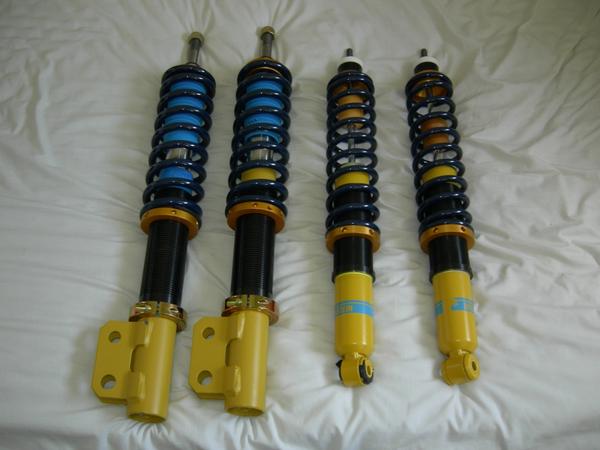
Before comparing specific products from these brands, it helps to understand a few core terms that appear consistently across their catalogs. Ride height adjustment refers to a coilover’s ability to raise or lower the car by threading the spring perch up or down the damper body, independent of spring rate. Damping adjustment, offered in varying degrees of sophistication across different product tiers, lets an owner tune how quickly the suspension compresses and rebounds, with more adjustable systems typically offering separate compression and rebound settings rather than a single combined adjustment. Camber plates, often available as an upgrade option or included on higher-tier kits, allow front strut mounting angle adjustment, letting builders dial in negative camber for improved cornering grip, particularly useful on lowered cars where standard geometry often pushes wheels toward unwanted positive camber.
Spring rate, typically measured in kilograms per millimeter of compression in Japanese-market products, describes how stiff or soft the actual springs are, independent of the damper’s own settings, and is one of the most consequential specifications for how a finished setup will actually ride and handle. Understanding roughly how these specifications interact helps make sense of why seemingly similar-looking coilover kits from Cusco, TEIN, and HKS can vary enormously in both price and actual on-road behavior.
Why Buying Genuine Parts Matters for Suspension Specifically
Suspension components carry a particular safety weight that makes sourcing genuine parts from these brands, rather than counterfeit or unlicensed copies, especially important. Unlike a cosmetic part or even many engine components, a suspension system directly determines how a car responds during hard braking, sudden direction changes, and emergency maneuvers. Counterfeit or poorly manufactured coilovers may use substandard materials, inconsistent damping characteristics, or simply fail structurally under load in ways that are difficult to detect through casual visual inspection alone. Purchasing suspension components specifically through authorized dealers and verifying authenticity is a genuinely important safety consideration, not just a matter of getting genuine performance characteristics.
Frequently Asked Questions
Q: When was Cusco founded?
A: Cusco traces its origins to 1977 as Carrosser Co. Ltd., launching its Cusco brand name in 1981 as it began selling performance parts to enthusiast customers alongside its motorsport development work.
Q: What does the TEIN name mean?
A: TEIN is an abbreviation of “Technical Innovation,” reflecting the company’s founding philosophy. TEIN was founded in Yokohama in 1985, beginning with OEM shock absorber production.
Q: Does HKS only make engine and turbo parts?
A: No. While HKS built its core reputation on turbocharging and engine tuning, the company also produces its own coilover suspension line under the Hipermax name, reflecting a broader expansion into adjacent performance categories over time.
Q: Which brand is best for a daily-driven street car versus a dedicated track car?
A: All three offer products across different use cases, but TEIN is particularly known for a wide range spanning affordable street-oriented kits through highly adjustable track setups, making it worth comparing specific product lines within each brand against your actual intended use.
Q: Is upgrading suspension alone enough to improve handling significantly?
A: Not always. Chassis reinforcement components, such as strut tower bars and subframe braces, work alongside a suspension upgrade to let new dampers and springs perform as intended, particularly on older chassis, and are worth considering as part of a complete handling upgrade.
This article is for general informational purposes and reflects widely reported history about these companies. Specific product lineups and specifications change over time – always consult current manufacturer information before purchasing.
Image credit: Coilovers by Cameron Chapman, CC BY 2.0, via Wikimedia Commons
コメント