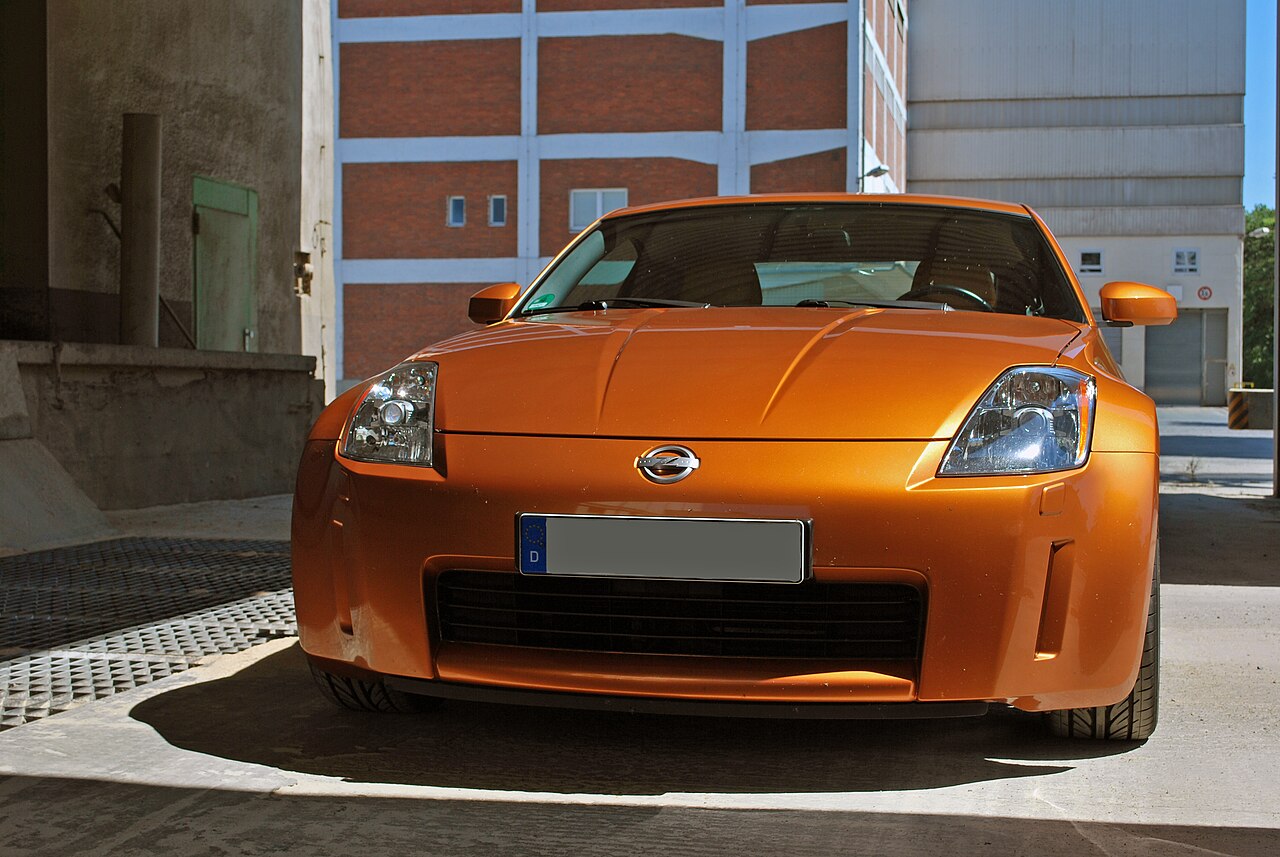
Unlike the earlier Z32, which was sold under the Fairlady Z name only in Japan, the Z33 (350Z) and Z34 (370Z) generations were sold worldwide under a single global “Z” identity — a meaningfully more modern, higher-volume, and easier-to-maintain proposition than the older twin-turbo classics that came before them. That doesn’t mean they’re issue-free, though: the VQ35DE in the 350Z and the VQ37VHR in the 370Z each carry their own specific, well-documented wear patterns that matter enormously to a buyer. This guide covers the 350Z’s high-mileage oil-related issues, the specific model years with the strongest and weakest reputations, and the 370Z’s exhaust manifold cracking concern.
📋 What You’ll Learn in This Guide
- Why gallery gasket failure is the 350Z’s defining high-mileage risk
- The VQ35DE’s known oil consumption characteristic
- Which specific 350Z model years carry the strongest and weakest reputations
- The 370Z’s exhaust manifold cracking issue
- Why rear suspension bushings matter on both generations
Gallery Gasket Failure: The 350Z’s Biggest High-Mileage Risk
On high-mileage VQ35DE engines, internal gallery gaskets — which seal the engine’s internal oil passages — are the single biggest documented issue, typically beginning to leak around the 100,000-mile mark. Because these gaskets are internal to the engine rather than externally visible, diagnosing a gallery gasket problem isn’t as simple as spotting a puddle under the car; it often shows up as unexplained oil loss without an obvious external leak source. If you’re looking at a 350Z approaching or past 100,000 miles, ask directly whether gallery gasket condition has been addressed, since this is a known, specific failure pattern rather than a generic high-mileage concern.
Oil Consumption: A Known VQ35DE Characteristic
Separate from the gallery gasket issue, the VQ35DE is known to consume oil at a rate of up to roughly one liter per 2,000 miles on higher-mileage examples — a documented characteristic of this specific engine that tends to worsen with age rather than a sign of a single fixable fault. This doesn’t mean every 350Z burns oil at this rate, but it does mean regular oil level checks between changes are a genuinely important habit for this platform, not an optional precaution.
💡 Tip
Be specifically cautious with 2006 model year 350Z examples, which carry the highest documented oil-consumption risk of the generation on their 300 hp Rev-Up engine variant. If oil consumption is a significant concern for you, weigh this specific model year’s reputation carefully against other years before deciding, and ask directly about documented oil-level monitoring habits from the current or previous owner.
Other Common 350Z Wear Items
Beyond the engine-specific issues above, concentric slave cylinder failure, manual transmission synchro wear, timing chain guide wear, and differential leaks are all commonly reported issues on the 350Z platform. The multi-link rear suspension relies on numerous rubber bushings that deteriorate with age, producing symptoms like vague handling, clunking noises over bumps, and uneven tire wear — a thorough test drive that includes rough pavement is a good way to surface these issues before you buy.
The 370Z’s VQ37VHR: A More Modern, But Not Issue-Free Engine
The 370Z’s VQ37VHR addressed several of the earlier engine’s weaknesses, but it carries its own specific concern: some owners report cracking in the factory exhaust manifold, which can lead to exhaust leaks and associated performance issues over time. The engine also runs genuinely hot under heavy load or in high-temperature conditions, which can compound any existing cooling system weaknesses. The VVEL (variable valve event and lift) system is a genuine technical advancement, but its added complexity means repairs, if something does go wrong with it, tend to cost more than on a simpler valve system.
⚠️ Caution
If you’re specifically shopping 350Z model years, be aware that 2003 carries the highest number of NHTSA complaints on record for the generation. This doesn’t automatically disqualify any individual 2003 car, but it’s worth factoring into your research and asking pointed questions about any specific example from that model year, particularly around the issues covered in this guide.
What Drives Pricing Today?
350Z examples with documented gallery gasket service (or genuinely low, verified mileage well below the typical failure point), consistent oil-level maintenance records, and fresh rear suspension bushings command the strongest prices. On the 370Z side, cars with a verified, crack-free exhaust manifold and documented cooling system maintenance stand out from examples with unclear history.
Frequently Asked Questions
Q: Is the 350Z or 370Z the safer buy overall?
A: The 370Z’s VQ37VHR is generally the more modern and refined engine, but it isn’t free of its own issues, particularly around exhaust manifold cracking. Neither generation is inherently unreliable — both reward a buyer who checks the specific, well-documented issues covered here rather than assuming either one is problem-free.
Q: How worried should I be about oil consumption on a 350Z?
A: Worried enough to check oil level regularly and ask about the current owner’s monitoring habits, but not so worried that it should rule out an otherwise well-maintained example — it’s a known characteristic to manage, not a reason to avoid the platform entirely.
Final Thoughts
Both the 350Z and 370Z represent a more accessible, higher-volume chapter in Fairlady Z history compared to the earlier twin-turbo classics, but “more accessible” doesn’t mean “issue-free.” Check gallery gasket condition and oil consumption habits carefully on any high-mileage 350Z, be aware of the 2006 model year’s specific oil-consumption reputation, and verify exhaust manifold condition on any 370Z. Get those fundamentals confirmed, and either generation delivers a genuinely satisfying, comparatively low-drama entry point into Z-car ownership.
Image credit: Nissan 350Z Premium Pack, 2003, via Wikimedia Commons (CC BY-SA 4.0)

コメント