📋 Summary
- Isuzu, a manufacturer most Western enthusiasts associate with trucks and diesel engines today, built its own genuine “GT-R” performance coupe in 1969 – around the same era Nissan was establishing the GT-R name on the Skyline
- The Bellett GT-R used a 120PS twin-cam 1.6-liter engine borrowed from Isuzu’s own 117 Coupe, a genuinely sophisticated unit for the time
- Only around 1,400 examples were built, making it one of the rarest badge-specific classic Japanese performance cars from any manufacturer
- Isuzu exited the passenger car business entirely decades ago, which makes parts, knowledge, and even basic recognition of this car far scarcer today than for GT-Rs from manufacturers still building cars
If you mention “GT-R” to most car enthusiasts today, they think of Nissan without a second thought. But in the late 1960s, Isuzu – a company now known almost exclusively for trucks, buses, and diesel engines outside Japan – built its own genuinely serious performance coupe wearing the same three letters. The Bellett GT-R is one of the most overlooked classic Japanese performance cars in existence, in large part because the company that built it left the passenger car business entirely, taking much of the collective memory of this car with it.
A Serious Sports Coupe From an Unexpected Source
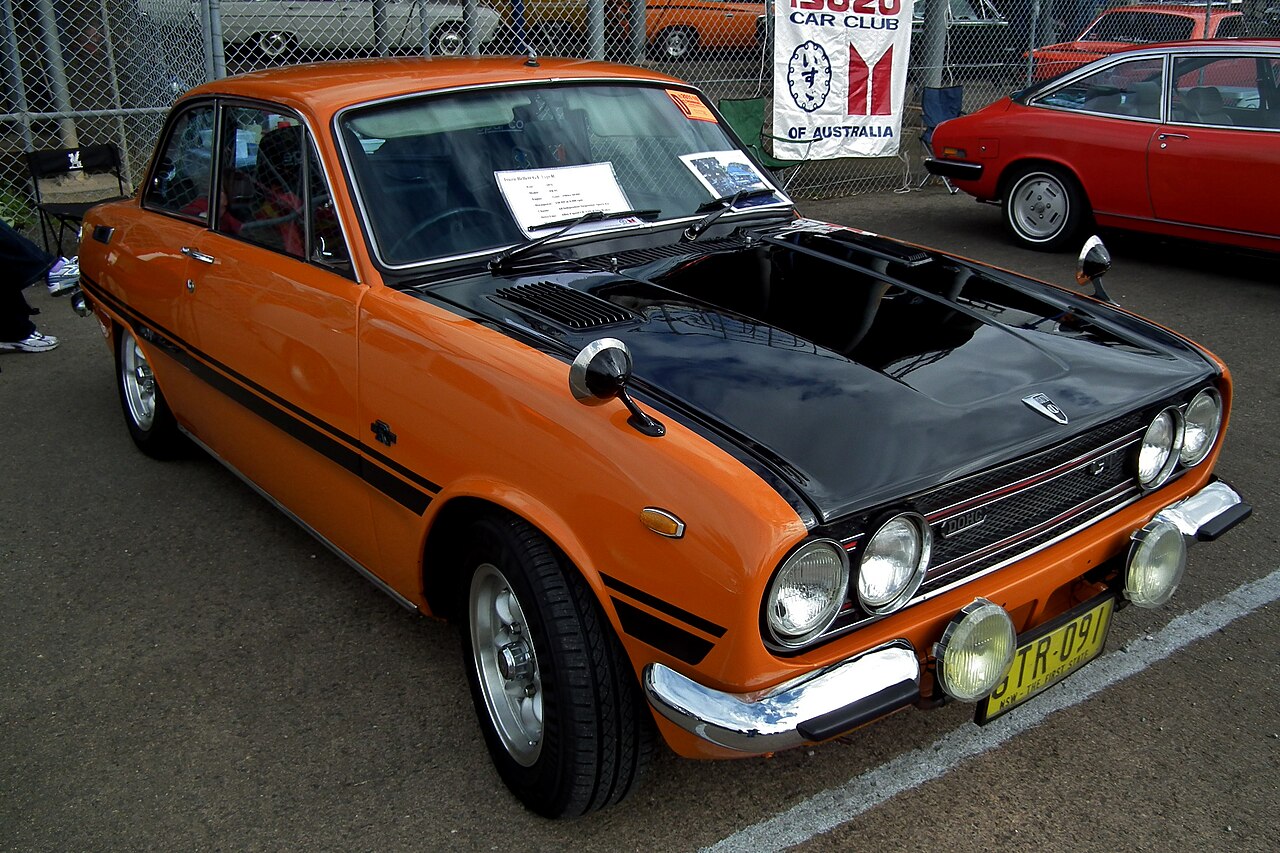
The Bellett was Isuzu’s mainstream compact sedan and coupe line throughout the 1960s and into the early 1970s, produced in substantial numbers – more than 170,000 units across the full model run from 1963 to 1973. Within that broad, mostly ordinary lineup, Isuzu carved out a genuine performance flagship: the GT-R, introduced in September 1969 as a two-door notchback coupe with unique styling touches, including a distinctive blacked-out hood, that set it apart visually from lesser Belletts.
What made the Bellett GT-R genuinely special was not just badging or trim – it was the engine underneath. Isuzu fitted the GT-R with the 1.6-liter, twin-cam G161W engine borrowed directly from its own 117 Coupe, a car that was itself a genuinely sophisticated, Italian-styled grand tourer. That engine, producing around 120PS, was a serious piece of engineering for a compact Japanese coupe of the era, and it gave the Bellett GT-R real performance credentials to match its ambitious name.
💡 Tip: This Predates Isuzu’s Exit From Passenger Cars by Decades
Isuzu withdrew from the passenger car market in most of the world by the early 2000s, eventually focusing entirely on commercial vehicles, trucks, and diesel engine technology. That long gap since the company built performance cars at all is part of why the Bellett GT-R has faded from mainstream enthusiast awareness – there is no modern Isuzu performance car lineage keeping the name in circulation the way Nissan, Toyota, and Honda have kept their classic performance nameplates alive through successive generations. Approach this car expecting to do more of your own research and networking with specialist collectors than you would for a comparably rare Nissan or Toyota classic.
How Rare Is the Bellett GT-R?
Commonly cited production figures put total Bellett GT-R output at around 1,400 units – a genuinely small number, especially set against the more than 170,000 Belletts of all types built across the model’s full production run. That means the GT-R represented well under one percent of total Bellett production, reflecting its role as a genuine performance halo model rather than a volume seller.
For context, that production figure puts the Bellett GT-R in a similar rarity bracket to some of the more scarce early Nissan and Toyota performance icons of the same era, but without the decades of sustained brand-building and enthusiast community that has kept those other nameplates prominent. Surviving examples, particularly those in original, unmodified condition, are genuinely hard to find, both inside and outside Japan.
The 1800GT: A Related but Distinct Model
In 1970, Isuzu expanded the sporting Bellett lineup with the 1800GT, powered by a single-cam 1.8-liter G180 engine producing around 113-115PS – power output that came remarkably close to matching the twin-cam GT-R despite using a simpler, less exotic engine architecture. Buyers researching this era of Bellett history should be careful to distinguish between the GT-R (twin-cam G161W engine, 1969 introduction, most historically significant and valuable) and the 1800GT (single-cam G180 engine, 1970 introduction, related but mechanically and historically distinct). The two are sometimes conflated in casual conversation and even in some listings, but they are genuinely different cars with different engines and different collector significance.
What to Look For Before Buying
- Verify the correct G161W twin-cam engine is present: Given the rarity and value gap between the GT-R and lesser Bellett variants, confirming the car has its original twin-cam engine – or a correctly sourced and documented replacement – is essential before any serious negotiation.
- Confirm the distinctive GT-R styling details are present and correct: The blacked-out hood and other GT-R-specific trim and badging details help distinguish a genuine car from a lesser Bellett that has been dressed up to look like one.
- Inspect thoroughly for rust: As with any unibody Japanese car of this era, structural corrosion in the floor pans and suspension mounting points is the primary threat to both safety and value.
- Ask detailed questions about parts sourcing plans: Because Isuzu has been out of the passenger car business for so long, and because collector interest is smaller than for equivalent Nissan or Toyota models, spare parts sourcing is a genuinely harder problem here than for more mainstream classic JDM icons. Understand what a seller or specialist can realistically source before you commit.
- Seek out specialist community knowledge: Given how niche this car is even within classic JDM circles, connecting with dedicated Isuzu or Bellett enthusiast groups, often based in Japan or Australia, before purchase can save considerable time and help you verify a car’s authenticity and condition.
⚠️ Caution: Expect a Much Smaller Support Network Than for Nissan or Toyota Classics
Because Isuzu left the passenger car business and never built a successor generation of performance cars carrying the GT-R name forward, the Bellett GT-R does not benefit from the kind of sustained factory-adjacent enthusiast infrastructure – reproduction parts programs, active factory-supported clubs, widespread specialist mechanic networks – that many Nissan and Toyota classics enjoy. Owning one is a genuinely more self-sufficient undertaking. Budget more time for sourcing parts, more patience for finding specialist knowledge, and more caution when evaluating any car’s claimed originality, since verification resources are comparatively limited.
Why This Car Deserves More Recognition
The Bellett GT-R is a genuinely important reminder that Japan’s 1960s and 1970s performance car boom was not a two- or three-manufacturer story. Companies across the industry, including ones that would later step away from passenger cars entirely, were building genuinely ambitious, technically serious performance machines during this period. For collectors interested in the full breadth of that era, rather than just the handful of nameplates that survived into modern popular culture, the Bellett GT-R offers a rare opportunity to own a piece of that history that most people, even enthusiasts, have simply never heard of.
The 117 Coupe Connection Worth Understanding
The Bellett GT-R’s engine did not appear in isolation – it was a direct transplant from Isuzu’s 117 Coupe, a car with its own fascinating story worth understanding for context. The 117 Coupe was styled by the famous Italian design house Ghia, under the direction of Giorgetto Giugiaro, and it was positioned as Isuzu’s genuine grand tourer flagship, built initially using painstaking, largely hand-finished production methods before later moving to more conventional mass production. Borrowing that car’s sophisticated twin-cam engine for the smaller, lighter Bellett body was a deliberate move by Isuzu to bring genuine performance credibility to its compact coupe lineup, using proven, advanced engineering rather than a watered-down or purpose-built lesser unit.
Understanding this connection matters for collectors because it places the Bellett GT-R’s engine in a broader context of Isuzu’s design ambitions during this period. This was a company actively trying to establish itself as a builder of genuinely sophisticated, European-influenced performance and luxury vehicles, not simply a maker of practical family cars. The GT-R is one of the clearest surviving examples of that ambition applied to an affordable, compact package.
Frequently Asked Questions
Q: Is the Isuzu Bellett GT-R related to the Nissan Skyline GT-R?
A: No. They are unrelated cars from different manufacturers that happened to use the same “GT-R” designation during roughly the same era. There is no shared engineering, platform, or corporate relationship between them.
Q: What engine does the Bellett GT-R use?
A: A 1.6-liter twin-cam four-cylinder engine, the G161W, borrowed from Isuzu’s own 117 Coupe, producing approximately 120PS.
Q: How many were built?
A: Commonly cited figures put total production at around 1,400 units, making it one of the rarest classic Japanese performance cars from any manufacturer of its era.
Q: What is the difference between the GT-R and the 1800GT?
A: The GT-R, introduced in 1969, uses the twin-cam G161W 1.6-liter engine and is the more historically significant and valuable model. The 1800GT, introduced in 1970, uses a simpler single-cam 1.8-liter G180 engine and is a related but mechanically and historically distinct model.
Q: Is it hard to find parts for this car?
A: Generally, yes, relative to equivalent Nissan or Toyota classics. Isuzu exited the passenger car business decades ago and never maintained the kind of ongoing enthusiast and parts infrastructure that other manufacturers built around their classic performance nameplates, so sourcing parts typically requires more specialist knowledge and patience.
This article is for general informational purposes. Specifications and production figures are based on widely cited historical sources and may vary slightly between references. Always consult a qualified classic-car specialist before purchasing a collector vehicle.
Image credit: 1970 Isuzu Bellett 1600 GT-R coupe by sv1ambo, CC BY 2.0, via Wikimedia Commons
コメント