📋 Summary
- Takata Corporation was a Japanese automotive safety supplier, founded in 1933 in Shiga Prefecture by Takezo Takada, originally as a textile and parachute-cord maker before pivoting into seatbelts and, later, airbags
- Takata built Japan’s first seatbelt crash-test facility and became one of the world’s largest airbag suppliers, before being at the center of the largest automotive safety recall in history
- Ammonium nitrate-based airbag inflators, which could degrade in heat and humidity and rupture violently, led to over 100 million inflators recalled worldwide and at least 19 deaths and hundreds of injuries
- Takata filed for bankruptcy in Japan and the United States in 2017; its operating assets were acquired by Key Safety Systems, now operating as Joyson Safety Systems, a subsidiary of China’s Ningbo Joyson Electronic — Takata Corporation itself no longer exists as an operating company
If you own an older JDM import, there’s a genuine chance it could be affected by the largest automotive safety recall in history, one centered on a company that was once Japan’s most trusted name in seatbelts and airbags: Takata.
From Parachute Cords to Japan’s First Seatbelt Crash-Test Facility
Takata Corporation was founded in 1933 in Shiga Prefecture by Takezo Takada, according to widely corroborated historical sources, originally manufacturing textiles and parachute cords. The company moved into automotive seatbelts in the 1950s and 1960s, building Japan’s first dedicated seatbelt crash-test facility, and later expanded into airbag systems during the 1980s. For decades, Takata built a genuine reputation as one of the world’s most significant automotive safety suppliers, a company whose products were specifically designed to protect vehicle occupants in a crash.
The Largest Automotive Safety Recall in History
It’s essential to be direct about what ultimately happened to Takata, since this is genuinely the central fact of the company’s more recent history, not a minor footnote. Takata manufactured airbag inflators using ammonium nitrate-based propellant, a chemical compound that could degrade when exposed to prolonged heat and humidity. A degraded inflator could rupture violently when the airbag deployed, sending metal fragments into the vehicle cabin instead of simply inflating the airbag as intended. This defect led to the recall of more than 100 million airbag inflators worldwide, the largest automotive safety recall in history, and has been linked to at least 19 deaths and several hundred injuries globally, according to widely reported regulatory and news sources.
💡 Tip: Takata Corporation No Longer Exists as an Operating Company
Takata filed for bankruptcy in both Japan and the United States in 2017. Its operating assets were subsequently acquired by Key Safety Systems for approximately ¥175 billion, and the business now operates as Joyson Safety Systems, a subsidiary of China’s Ningbo Joyson Electronic. If you’re researching a vehicle’s airbag supplier today, understand that the Takata name itself now refers only to a historical company, not a currently operating one.
Specific Vehicles at the Highest Risk
While the Takata recall genuinely touched dozens of automakers and model years globally, certain specific vehicles carry the greatest documented risk and have in some cases been subject to formal “do not drive” warnings from regulators, meaning they should not be operated at all until repaired. The 2001-2003 Honda Civic and 2001-2002 Honda Accord are among the highest-risk vehicles identified, given the specific inflator variant and age involved; more broadly, Honda models from 2001 through roughly 2014, including the Accord, Civic, CR-V, Element, Odyssey, Pilot, and Ridgeline, carry a genuinely elevated share of affected units. Toyota, Scion, and Lexus vehicles built between 2002 and 2017 are also affected across roughly 35 global models, including the Corolla, RAV4, and Tundra, though generally representing a somewhat lower risk tier than the highest-risk Honda models. If you own or are considering an older JDM-sourced Honda or Toyota product from this era, treating a VIN recall check as a priority, not an afterthought, is genuinely warranted given this risk concentration.
Why This Genuinely Matters for JDM Import Owners
Because Takata inflators were used so broadly across the global auto industry, including in many vehicles popular in the JDM import and enthusiast community, checking whether a specific vehicle has an open Takata airbag recall is a genuinely worthwhile step, not an overly cautious one. Recall status can typically be checked using a vehicle’s VIN through the relevant manufacturer or national regulatory database in the country where the vehicle is registered. This is particularly relevant for older vehicles that may have changed hands multiple times, since a recall repair may never have been performed by a previous owner.
⚠️ Caution: Never Ignore an Open Takata Airbag Recall
A ruptured Takata inflator can send metal fragments into the vehicle cabin during airbag deployment, a genuinely serious, potentially fatal defect, not a minor inconvenience. If you own or are considering purchasing a JDM import, check its VIN against the relevant recall database and have any open Takata airbag recall repaired by a qualified professional promptly, free of charge in most jurisdictions.
Frequently Asked Questions
Q: Is Takata Corporation still in business?
A: No. Takata filed for bankruptcy in 2017, and its operating assets were acquired by Key Safety Systems, which now operates as Joyson Safety Systems, a subsidiary of China’s Ningbo Joyson Electronic.
Q: What caused the Takata airbag recall?
A: Ammonium nitrate-based airbag inflator propellant that could degrade in heat and humidity, causing the inflator to rupture violently and send metal fragments into the vehicle cabin during deployment.
Q: How many vehicles were affected?
A: Over 100 million airbag inflators were recalled worldwide, making it the largest automotive safety recall in history.
Q: How can I check if my JDM import has an open Takata recall?
A: Check the vehicle’s VIN against the relevant manufacturer or national regulatory recall database in the country where it’s registered.
This article is for general informational purposes based on publicly available sources. Always check for and promptly address any open Takata airbag recall on a vehicle you own or are considering purchasing.
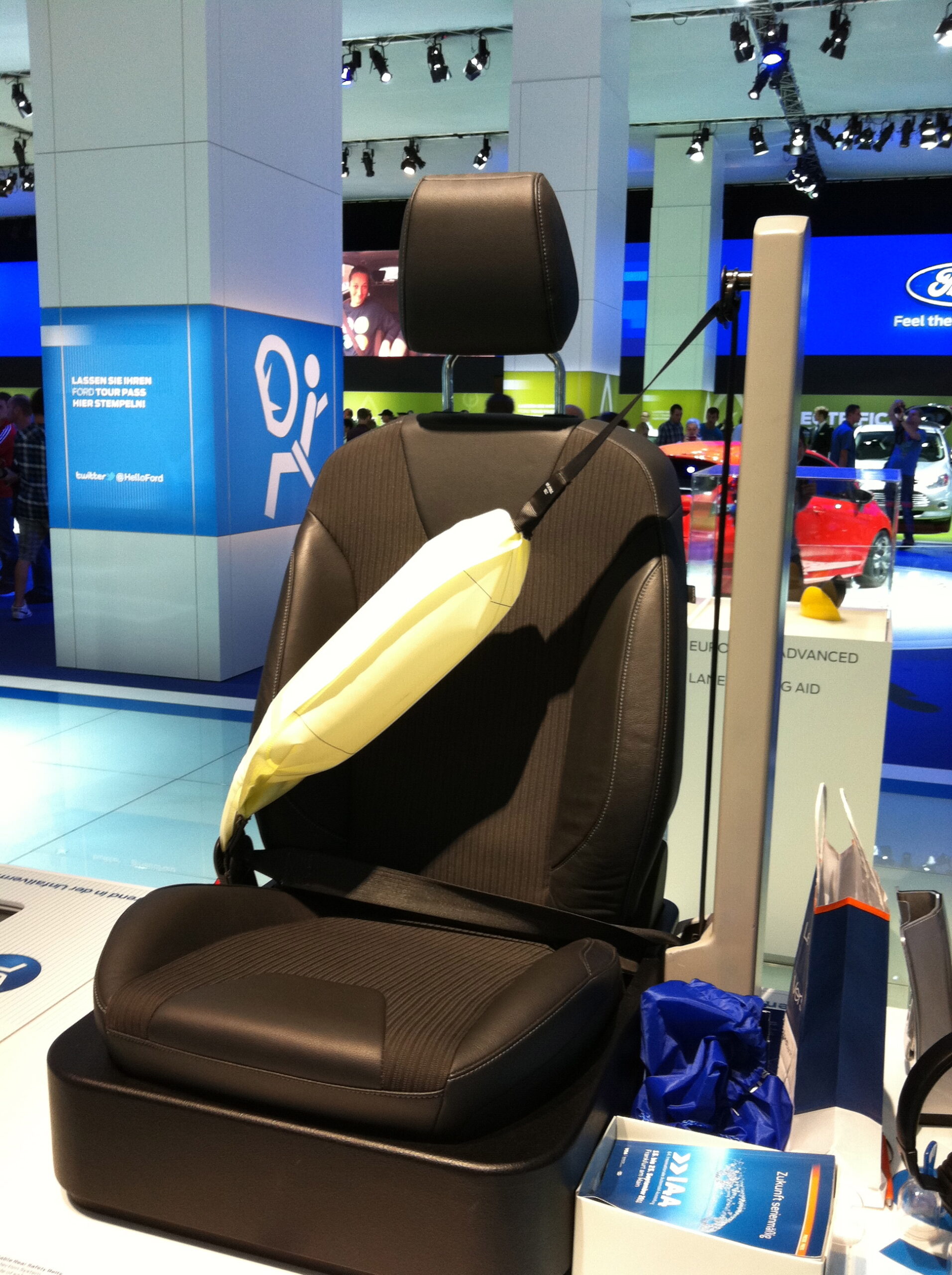
Image credit: Gurtairbag by Alexauto321, CC BY-SA 3.0, via Wikimedia Commons
コメント