📋 Summary
- Marine cargo insurance claims generally require prompt action, with many policies requiring notification within 24 to 72 hours of discovering damage and a written claim submitted within a short window, sometimes as little as three days after receiving the cargo
- Thorough documentation at the moment of delivery, including photographs and explicit written notes on the delivery receipt, is often the single most important factor determining whether a claim succeeds
- Signing a delivery receipt without noting visible damage can seriously undermine or even invalidate an otherwise legitimate claim, making the delivery inspection moment genuinely critical rather than a formality
- A well-documented claim commonly takes somewhere in the range of four to eight weeks to settle, making patience and organized recordkeeping important throughout the process
After months of research, bidding, and waiting, discovering that your JDM import arrived with shipping damage is a genuinely frustrating experience. How you respond in the first hours and days after delivery, however, has an enormous effect on whether you can actually recover compensation for that damage, making it worth understanding the claims process before you’re standing in front of a damaged car wondering what to do next.
The Critical First Moments: Inspection at Delivery
The single most consequential action in the entire claims process happens at the moment of delivery itself, before you sign anything. Thoroughly inspect the vehicle for any visible damage, comparing its actual condition against the pre-shipment documentation and photos you should have received from your export agent or inspection service. Take extensive photographs and video of any damage you find, capturing multiple angles, close-up detail shots, and wider context shots showing the damage’s location on the vehicle.
Critically, explicitly note any damage in writing on the delivery receipt itself before signing it, rather than simply signing and planning to report the issue separately afterward. Signing a clean delivery receipt without noting visible damage can seriously undermine, or in some cases effectively invalidate, an otherwise legitimate claim, since it creates a documented record suggesting the cargo arrived in the condition you accepted at delivery.
💡 Tip: Act Within Hours, Not Days
Marine cargo insurance policies commonly require notifying the insurer within a narrow window after discovering damage, sometimes as short as 24 to 72 hours, with a formal written claim often required within just a few days of receiving the cargo. These timelines can feel unreasonably tight when you’re still processing the disappointment of discovering damage, but treating claim notification as urgent, ideally starting the process the same day you discover the issue, is essential to preserving your ability to recover compensation. Contact your insurer or export agent immediately upon discovering damage, even before you’ve fully documented everything, simply to formally start the clock and confirm the exact process and deadlines that apply to your specific policy.
Building a Complete Claim Package
Beyond the initial delivery documentation, a strong claim generally requires assembling a comprehensive package of supporting evidence: your original bill of lading, purchase invoice and any pre-shipment inspection documentation showing the vehicle’s condition before transport, your delivery photographs and written damage notes, and a professional repair estimate from a qualified shop detailing the specific cost to properly address the damage. Insurers typically require a formal claim form as well, asking for detailed information about the shipment, the carriers involved, and the specific nature and extent of the damage.
The more complete and well-organized this package is when initially submitted, the smoother and faster your claim is likely to proceed, since incomplete submissions requiring the insurer to request additional information back and forth can meaningfully extend an already lengthy process.
Common Types of JDM Shipping Damage
Vehicles shipped via roll-on/roll-off transport, the common method for most JDM vehicle imports, face somewhat different damage risks than those shipped in enclosed containers. Common RoRo-related damage includes scuffing or scratching from tie-down straps and securing equipment used during loading, minor dents from contact with other vehicles or equipment during the loading and unloading process, and exposure-related issues from extended time at sea, including salt spray effects on exposed surfaces. Container-shipped vehicles generally face lower risk of this type of surface damage but aren’t entirely immune to handling damage during loading and unloading at either end of the shipment.
⚠️ Caution: Confirm Insurance Coverage Before Shipping, Not After Damage Occurs
A genuinely important step that happens well before any damage occurs is confirming exactly what marine cargo insurance coverage applies to your specific shipment, including coverage limits, deductibles, and any exclusions, before your vehicle ships. Some export agents include basic coverage as part of their standard service, while others may require you to arrange separate insurance directly, and coverage terms can vary significantly between providers. Discovering inadequate or nonexistent coverage only after your car arrives damaged is a genuinely costly mistake that proper upfront diligence can prevent entirely.
Realistic Timeline Expectations
Once a complete, well-documented claim has been submitted, industry-cited timelines commonly suggest a settlement process taking somewhere in the range of four to eight weeks for a straightforward case, though complex claims or those requiring additional investigation can take considerably longer. Maintaining organized records throughout this period, including copies of all correspondence with your insurer and export agent, helps you track progress and respond quickly if additional information is requested, rather than letting the process stall due to a missed follow-up request.
Distinguishing Shipping Damage From Pre-Existing Condition Issues
Before filing a shipping damage claim, it’s worth carefully distinguishing genuine transit damage from a pre-existing condition issue that simply wasn’t adequately disclosed or noticed before shipment, since these two scenarios generally require entirely different remedies. Shipping damage, by definition, occurred during transport and is the appropriate subject of a marine cargo insurance claim against the carrier or insurer. A pre-existing issue, by contrast, whether an undisclosed mechanical problem or cosmetic damage present before the vehicle ever left Japan, is a dispute with the seller, auction house, or your export agent regarding the accuracy of the original listing or inspection, not a shipping claim.
Comparing your delivery-day photos carefully against your pre-shipment inspection photos and the original auction sheet or listing documentation is the most reliable way to make this distinction. When damage appears in a location or form consistent with cargo handling, tie-down points, contact areas, or exposure-related surface issues, it more likely reflects genuine transit damage. When an issue appears to be a mechanical or structural problem inconsistent with typical shipping damage patterns, it may instead point toward a pre-existing condition dispute that should be raised separately with your seller or agent rather than pursued purely as a shipping claim.
What to Do If Your Claim Is Disputed or Denied
Not every claim proceeds smoothly, and it’s worth understanding your options if an insurer disputes liability or denies a claim you believe is legitimate. Request a clear, written explanation of the specific reason for denial or dispute, since this often reveals whether the issue is a documentation gap that can still be addressed, a timing issue related to missed notification deadlines, or a genuine coverage exclusion that applies to your situation. In some cases, providing additional supporting documentation, such as a second independent repair estimate or additional photographic evidence, can successfully resolve an initial dispute.
If a dispute cannot be resolved directly with the insurer, many marine cargo insurance policies include a formal appeals or dispute resolution process, and your export agent, if they arranged the coverage, may also be able to advocate on your behalf given their ongoing business relationship with the insurer. For particularly significant, high-value disputes that cannot be resolved through these channels, consulting a professional familiar with marine cargo insurance and international shipping law may be a reasonable final step, though the cost of doing so should be weighed realistically against the value of the disputed claim itself.
Frequently Asked Questions
Q: What’s the most important thing to do when my JDM import arrives?
A: Thoroughly inspect the vehicle before signing anything, photograph any damage extensively, and explicitly note any damage in writing on the delivery receipt itself rather than signing a clean receipt and reporting separately afterward.
Q: How quickly do I need to report shipping damage?
A: Very quickly. Many marine cargo insurance policies require notification within 24 to 72 hours of discovering damage, with a formal written claim often due within just a few days of receiving the cargo.
Q: What happens if I sign the delivery receipt without noting visible damage?
A: This can seriously undermine or effectively invalidate an otherwise legitimate claim, since it creates a record suggesting the vehicle arrived in the condition you accepted, making pre-signature inspection genuinely critical.
Q: How long does a shipping damage claim typically take to settle?
A: Industry-cited figures commonly suggest four to eight weeks for a well-documented, straightforward claim, though complex cases can take longer.
Q: Should I assume my export agent automatically includes shipping insurance?
A: No. Coverage varies significantly between agents and providers, so confirm exactly what insurance applies to your specific shipment, including limits and exclusions, before your vehicle ships rather than assuming coverage exists.
This article is for general informational purposes and reflects commonly cited marine cargo insurance claims practices. Specific policy terms, deadlines, and procedures vary by insurer and provider – always review your specific policy documentation and consult your insurer directly for exact requirements.
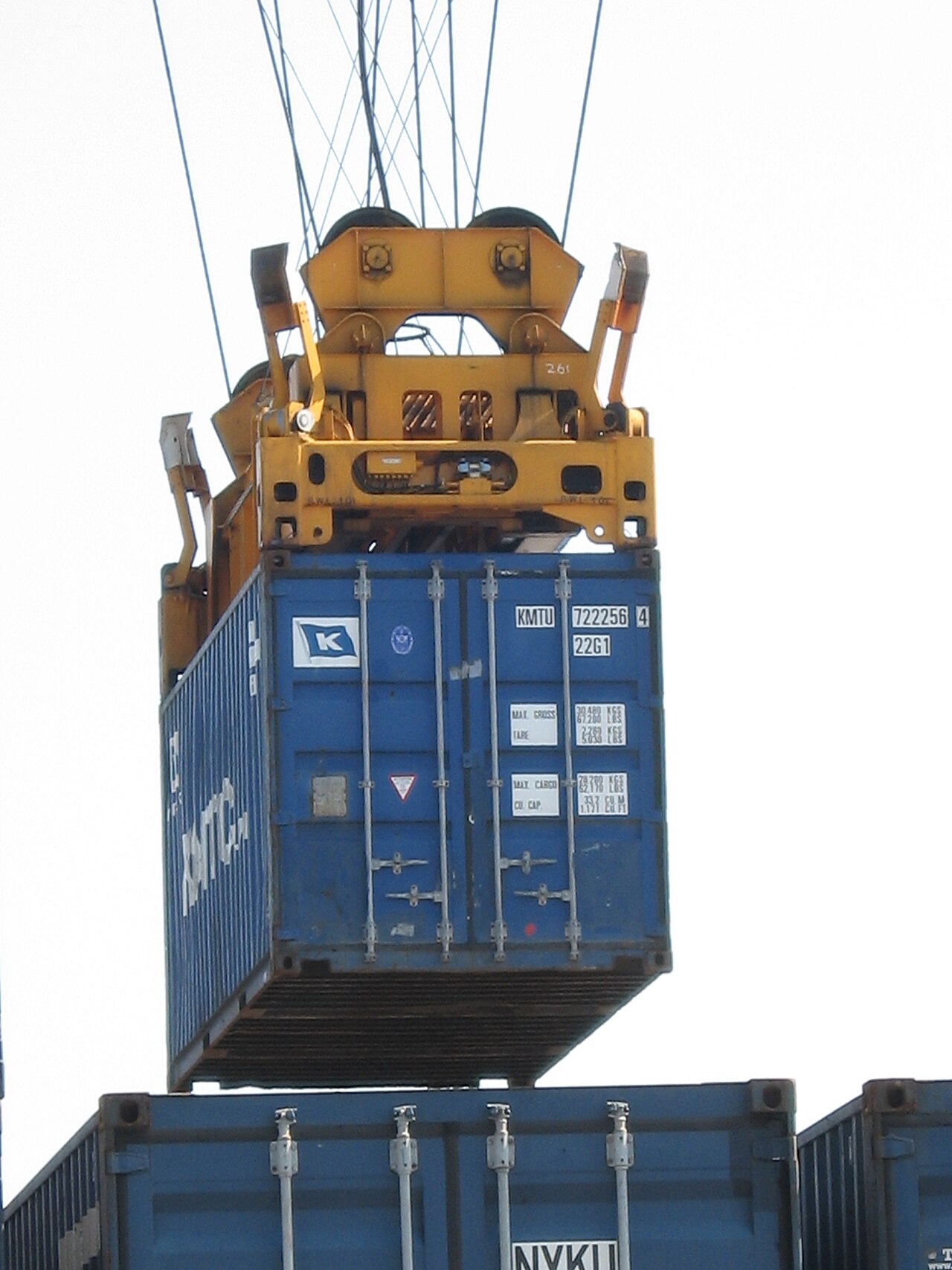
Image credit: Container handling, pictures taken in Japan by Gazouya-japan, CC BY-SA 4.0, via Wikimedia Commons

コメント