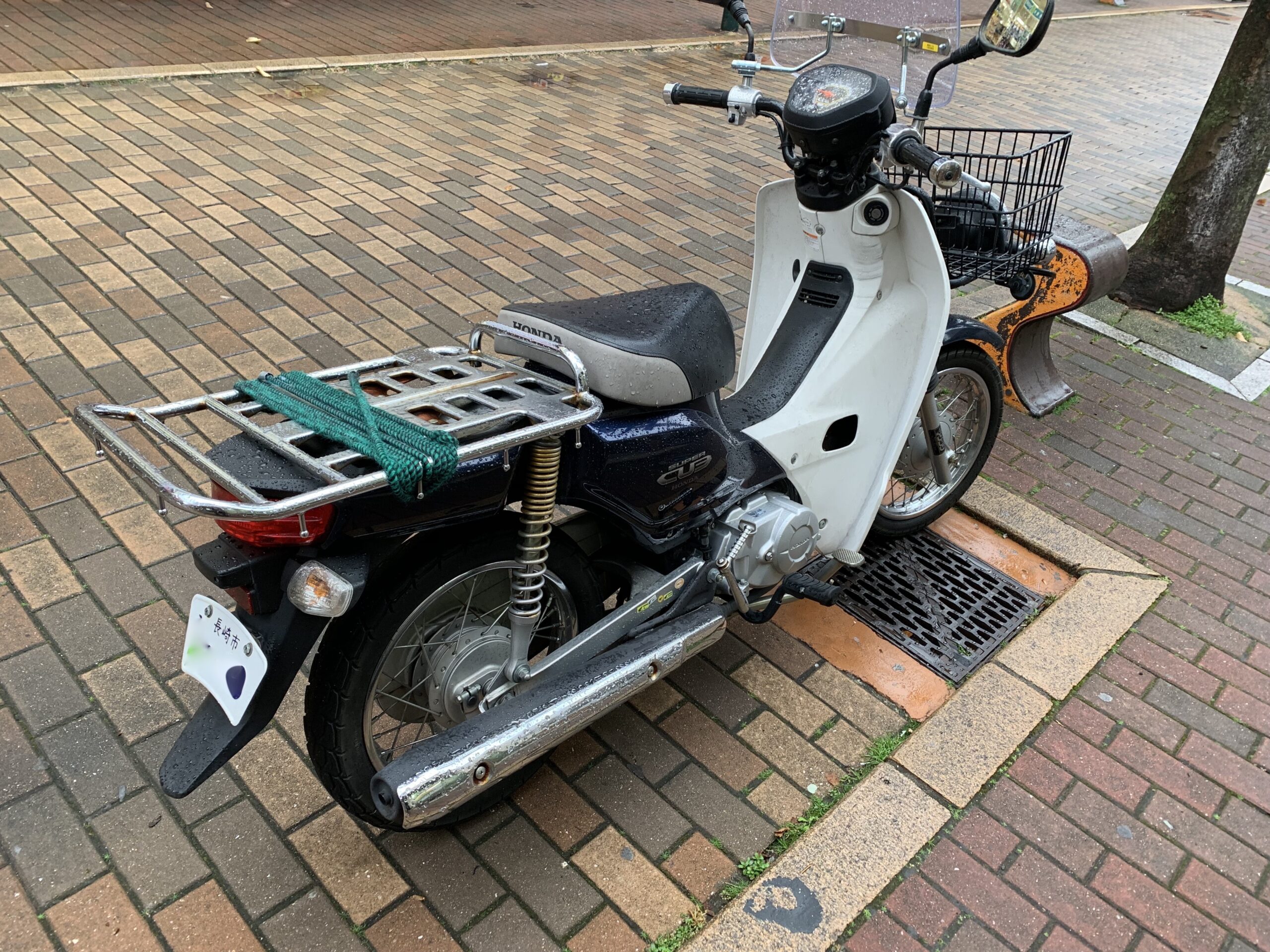
For anyone settling into city life in Japan without an existing personal vehicle, two genuinely practical options tend to rise to the top of the consideration list: a kei car, Japan’s ultra-compact car category, or a motorcycle or scooter, ranging from a simple 125cc commuter to something considerably larger. Both offer real advantages over a full-size car in Japan’s dense urban environment, but they solve the daily transportation problem in genuinely different ways, with different cost structures, different practical tradeoffs, and different lifestyles they suit best. This guide compares them honestly, so you can figure out which actually fits your specific situation.
📋 What You’ll Learn in This Guide
- How registration and ownership requirements differ dramatically by engine size
- The real cost comparison across tax, insurance, and parking
- Where kei cars genuinely win, and where motorcycles genuinely win
- Weather, safety, and comfort tradeoffs worth honestly considering
- How to think about which one actually fits your situation
- Registration Requirements: A Major Dividing Line
- The Real Cost Comparison
- Where Kei Cars Genuinely Win
- Where Motorcycles Genuinely Win
- How to Think About Which One Fits Your Situation
- The Middle Ground: Larger Scooters and Mid-Displacement Options
- Frequently Asked Questions
- Resale and Long-Term Ownership Considerations
- Final Thoughts
Registration Requirements: A Major Dividing Line
This is the single biggest practical difference, and it’s worth understanding upfront: a kei car, like any car in Japan, requires a shako shomeisho (parking space certificate) proving you have a legal off-street parking space before you can register it, along with the full shaken inspection cycle every two years. A small motorcycle or scooter under 125cc, by contrast, generally has a dramatically simpler registration process handled at your local ward or city office, without the same parking certificate requirement in most areas, and without any shaken inspection obligation at all — a genuinely significant ongoing cost and hassle difference. Motorcycles between roughly 126cc and 250cc occupy a middle ground with somewhat more involved registration but still no shaken requirement, while motorcycles over 250cc do require periodic shaken inspection, similar in concept to a car’s, though the process and cost specifics differ.
The Real Cost Comparison
Kei cars benefit from genuinely favorable annual road tax rates (a topic covered in detail in our dedicated guide to kei car tax benefits) and generally lower insurance premiums than a standard-sized car, reflecting their lower purchase price and typically lower repair costs. Motorcycle voluntary insurance costs vary meaningfully by rider age and engine size, but a small-to-midsize bike is often genuinely comparable to or somewhat less expensive than kei car insurance for a similarly aged rider. Where things get genuinely interesting is parking: kei car parking in central Tokyo wards can run into the tens of thousands of yen monthly in the most expensive districts, while a smaller motorcycle or scooter, needing considerably less space, can sometimes be parked considerably more cheaply, or in some cases within an apartment building’s existing bicycle or motorcycle parking allocation, avoiding a separate dedicated car parking contract entirely.
💡 Tip
Before committing to either option, actually check your specific apartment or neighborhood’s parking situation directly rather than assuming based on general cost figures. Some apartment buildings include motorcycle parking in the base rent or offer it considerably cheaper than a car parking space, which can meaningfully tip the practical cost comparison in a motorcycle’s favor for that specific building, while other buildings or neighborhoods may have no convenient motorcycle parking at all, effectively reversing the calculation.
Where Kei Cars Genuinely Win
A kei car offers weather protection, genuine cargo capacity for groceries or larger purchases, the ability to comfortably transport a passenger or small child in a proper car seat, and a meaningfully safer enclosed structure in a collision compared to a motorcycle’s inherent exposure. If your city living involves regular grocery runs, occasional trips with family members, or simply a strong preference for not riding through Japan’s genuinely wet summer rainy season and occasional winter snow on two wheels, a kei car’s practical versatility is difficult for a motorcycle to match, even accounting for the higher ongoing costs.
Where Motorcycles Genuinely Win
A motorcycle or scooter, particularly a smaller one under 125cc, offers meaningfully lower total ownership costs, radically simpler registration without a parking certificate requirement in most areas, no shaken inspection burden at all for smaller displacements, and genuinely superior maneuverability through Japan’s dense urban traffic and narrow streets — a real practical advantage for anyone whose daily needs are mainly solo commuting or errands rather than passenger and cargo transport. For a single person prioritizing minimizing costs and hassle above all else, particularly someone comfortable riding in most weather conditions, a small motorcycle or scooter is genuinely difficult to beat on pure practicality-per-yen terms within Japan’s urban environment.
⚠️ Caution
Don’t underestimate the genuine seasonal and weather challenge of motorcycle commuting in Japan if you’re considering it as a primary, year-round vehicle. Japan’s rainy season (tsuyu) in early-to-mid summer brings sustained, heavy rainfall across much of the country, and many regions see meaningful winter cold and, in some areas, snow. Riding safely and comfortably through these conditions requires genuine investment in proper rain gear and cold-weather riding equipment, and even with good gear, some days will realistically be more comfortable and practical in an enclosed kei car. Be honest with yourself about your actual weather tolerance before committing to a motorcycle as your sole vehicle.
How to Think About Which One Fits Your Situation
The honest framework here isn’t “which is objectively better” but “which matches your specific needs.” If you’re a single person or couple without children, prioritizing minimal ongoing costs, comfortable riding in most weather, and mainly need solo transportation for commuting and errands, a motorcycle or scooter genuinely makes strong practical sense. If you regularly need to carry passengers, cargo, or want reliable weather-independent transportation, or simply place a high value on the safety and comfort an enclosed vehicle provides, a kei car’s somewhat higher costs are a reasonable tradeoff for that added practicality and versatility. Many long-term Japan residents ultimately settle into one category or the other based on genuinely testing both — renting or borrowing each type for a period before committing to a purchase is a genuinely worthwhile step if you’re still undecided.
The Middle Ground: Larger Scooters and Mid-Displacement Options
It’s worth acknowledging that the comparison isn’t strictly binary between a full-size kei car and a small commuter scooter. Larger scooters and mid-displacement motorcycles in the 126cc-to-250cc range offer meaningfully more highway capability, comfort, and cargo capacity (via top boxes and side cases) than a small commuter scooter, while still avoiding the shaken inspection requirement that kicks in above 250cc, striking a genuine middle ground for riders who want more capability than a basic commuter scooter without taking on a full-size motorcycle’s higher costs and shaken obligations. For someone whose needs sit between “purely local errands” and “genuine passenger and cargo hauling,” this middle displacement category deserves serious consideration alongside the more extreme ends of the kei car versus small-scooter comparison.
Frequently Asked Questions
Q: Can foreign residents easily get a motorcycle license in Japan?
A: The process follows a broadly similar pattern to the car license conversion process covered in our dedicated guide — an International Driving Permit works temporarily for visitors, while longer-term residents generally need to either convert a foreign motorcycle license or obtain a Japanese motorcycle license directly, with specific requirements varying based on your home country’s licensing reciprocity with Japan.
Q: Are electric scooters or e-bikes a realistic third option worth considering?
A: Increasingly, yes — Japan has seen genuine growth in electric micromobility options, though specific legal classifications, registration requirements, and infrastructure availability vary and continue evolving, so it’s worth researching the current specific rules for whatever electric option you’re considering rather than assuming it follows identical rules to a conventional motorcycle or scooter.
Q: Does a kei car’s insurance genuinely cost less than a comparable motorcycle’s insurance?
A: This varies considerably by rider or driver age, specific vehicle and bike value, and insurer, so there’s no universal answer; it’s worth getting actual quotes for your specific situation from multiple insurers for both options rather than assuming one category is automatically cheaper across the board.
Resale and Long-Term Ownership Considerations
Both categories generally hold value reasonably well within Japan’s used market, though the dynamics differ somewhat. Kei cars benefit from the broader structural advantages of Japan’s used vehicle market discussed elsewhere on this site — a well-organized auction system, consistent shaken-driven documentation, and strong ongoing domestic and export demand. Motorcycles, particularly popular commuter models, also maintain a genuinely active resale market, though the specific demand patterns and price stability can vary more by individual model popularity than kei cars tend to. If you anticipate leaving Japan or relocating within the country at some point during your ownership period, it’s worth researching your specific model’s resale reputation in either category before committing, since this affects your realistic total cost of ownership beyond just the ongoing tax, insurance, and parking figures already covered.
Final Thoughts
Neither a kei car nor a motorcycle is universally the “right” choice for city living in Japan — they genuinely solve the urban transportation problem differently, with kei cars offering weather protection, cargo capacity, and passenger comfort at a somewhat higher ongoing cost, and motorcycles offering dramatically simpler registration, lower costs, and superior urban maneuverability at the expense of weather exposure and reduced carrying capacity. Being honest with yourself about your actual daily needs, weather tolerance, and budget priorities, rather than defaulting to whichever option feels more familiar from your home country, will lead you to the choice that genuinely serves your specific Japan city living situation best.
Image credit: Honda Super Cub at Nagasaki by Nomad112 (CC BY-SA 4.0), via Wikimedia Commons
コメント